
Kosiv Bazaar. A Living Archive of the Carpathians
From the Leonard Krawchuk Collection
SEPTEMBER 5, 2025 - MAY 24, 2026
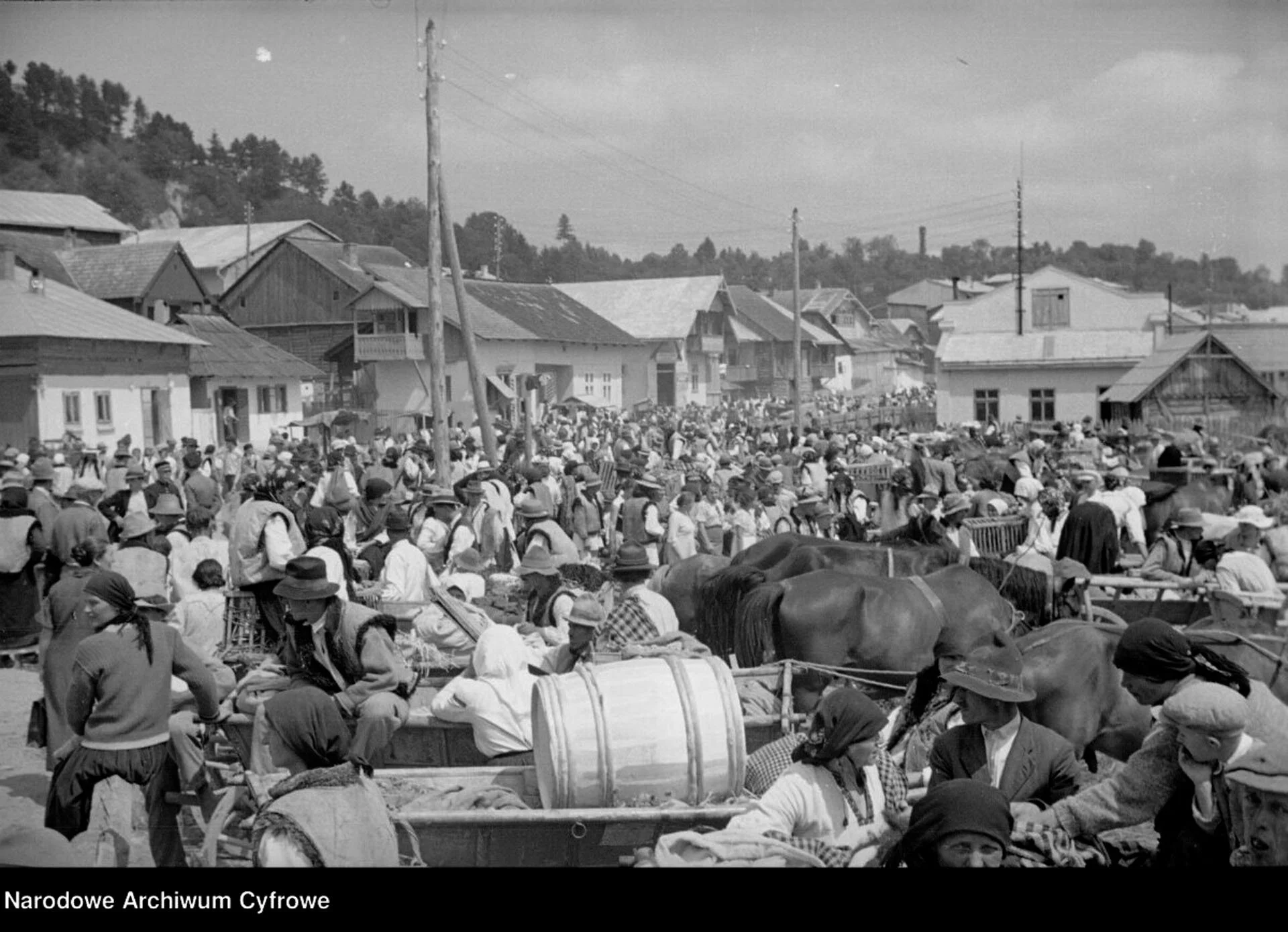
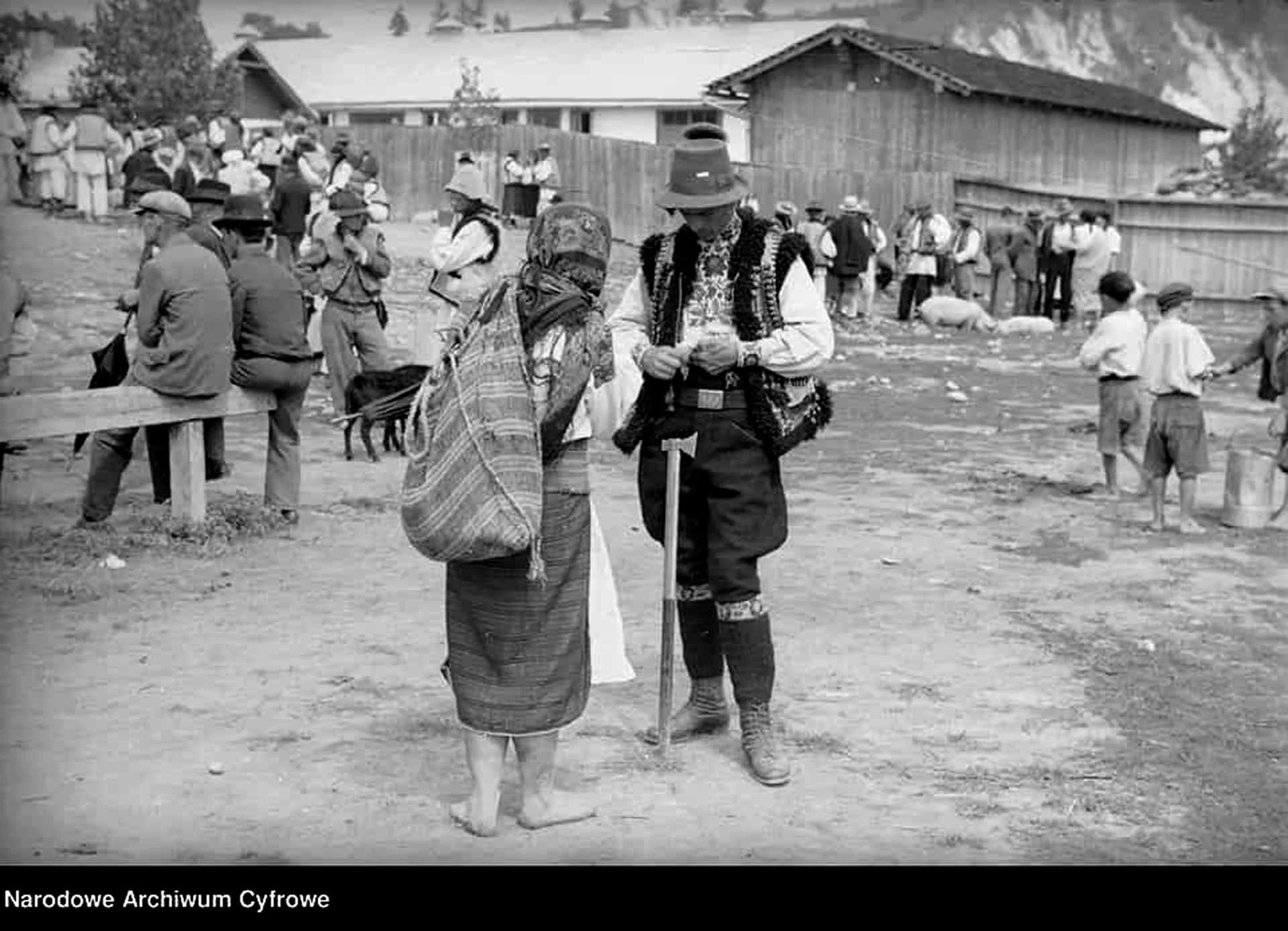
KOSIV BAZAAR • Historical Images
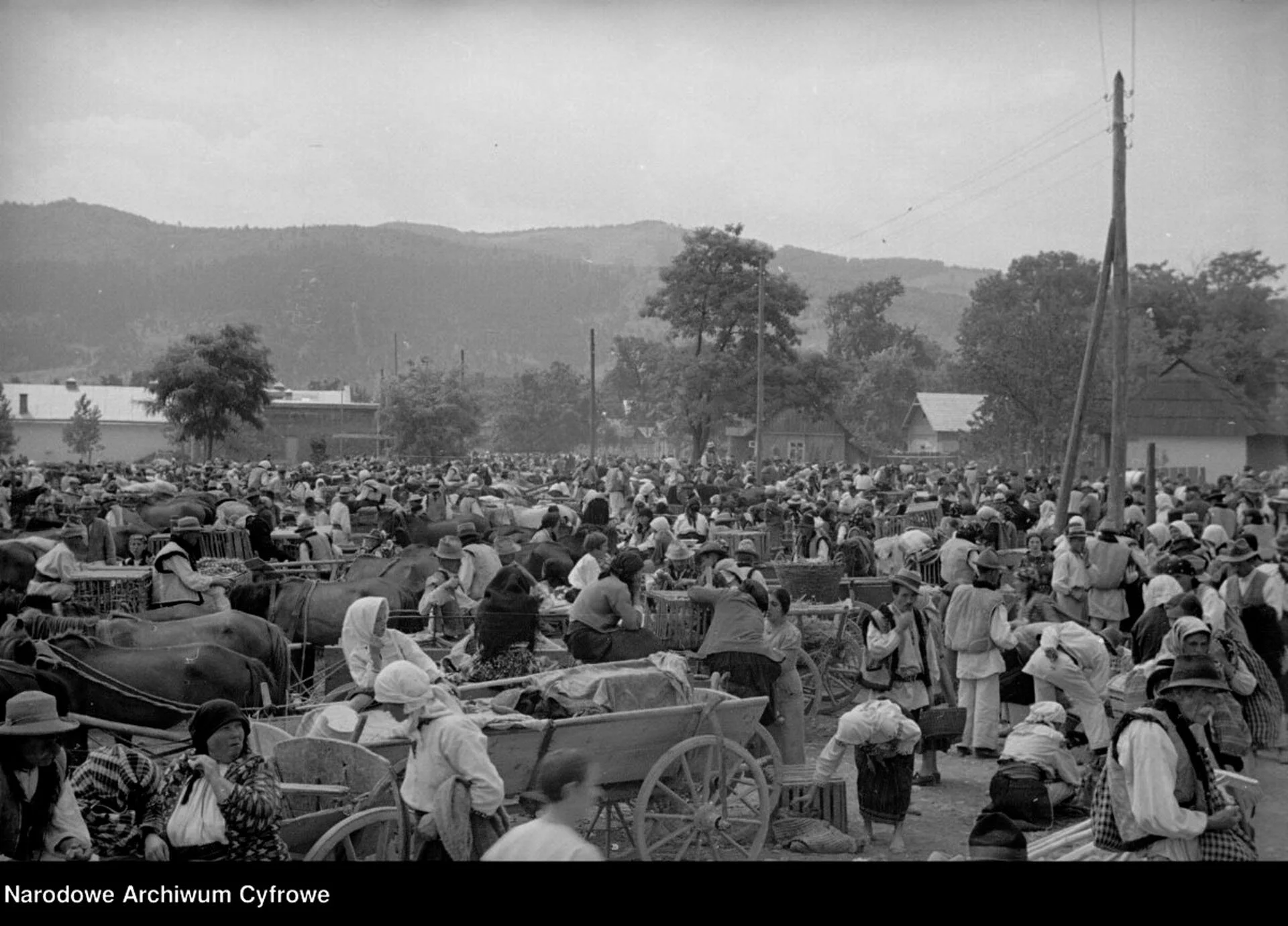
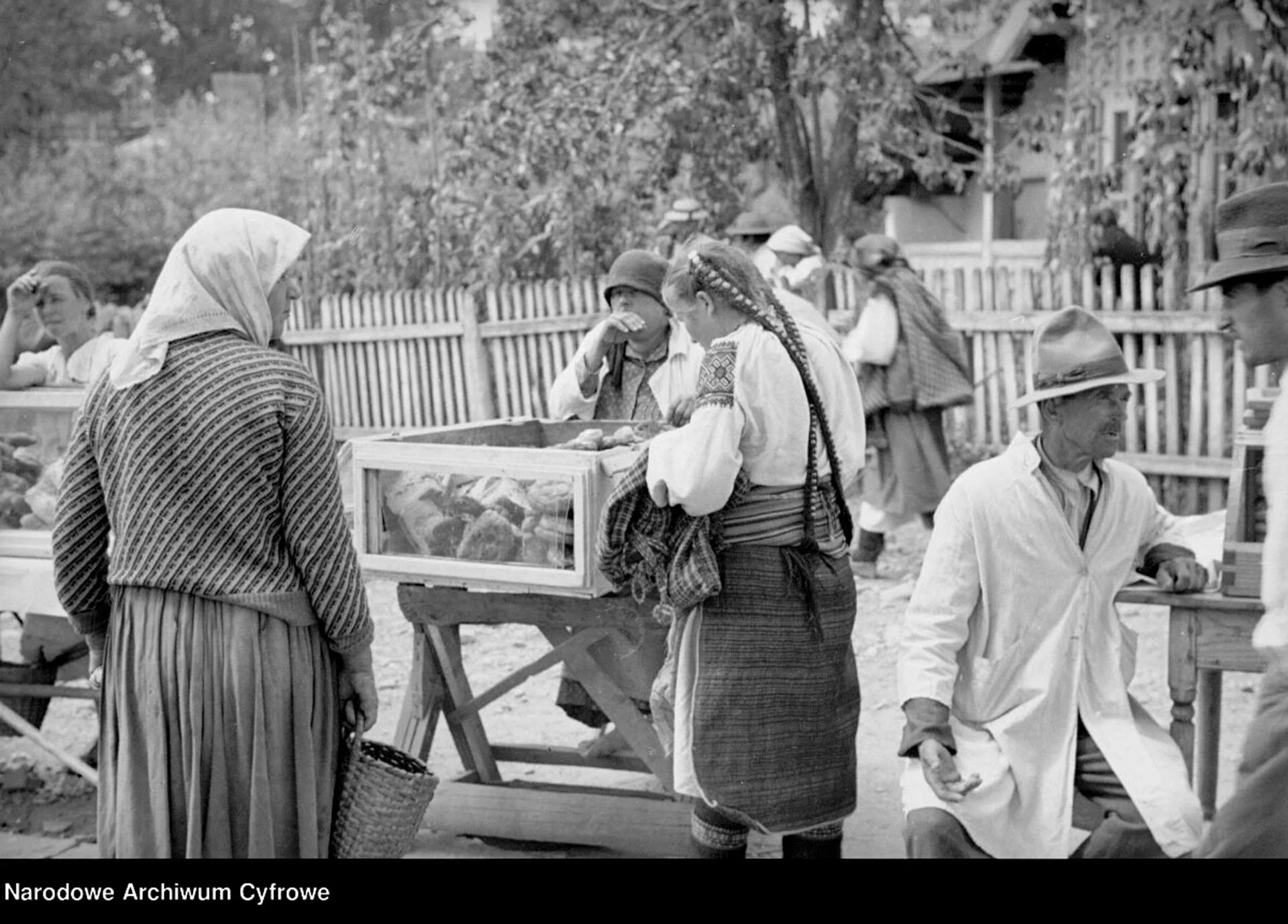
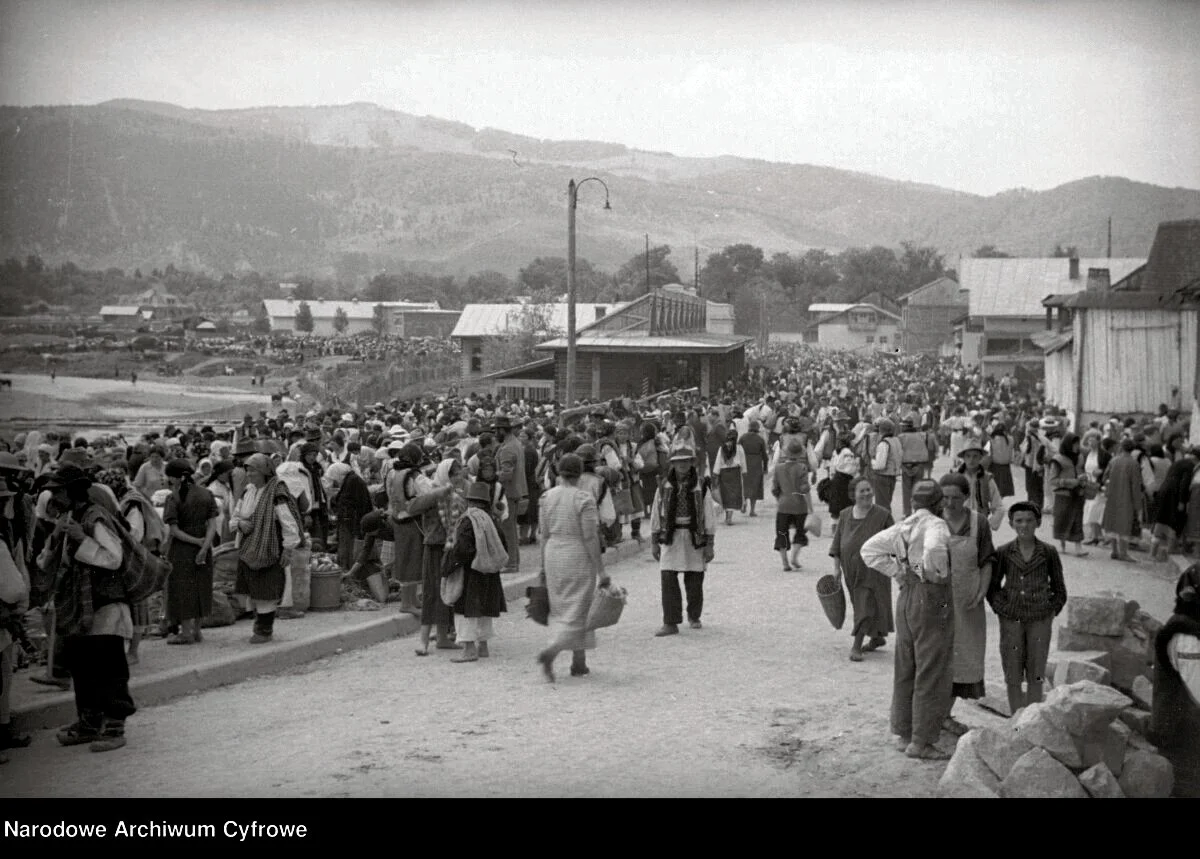
Kosiv and local ethnographic regions
There is a place in the west of Ukraine, in the Carpathian Mountains, where magic happens. Known as the Kosiv Bazaar, it is here that the imagination is sparked, creativity flows, and the world meets.
The Kosiv Bazaar is a unique cultural phenomenon, a true theatre for visitors and an essential part of everyday life for the Hutsul people. It is where tradition, craft, art, and daily life intertwine. At the bazaar, one can find folk crafts, artworks, antiques, and contemporary goods: clothing, furniture, tools, livestock, and even transportation.
All of this exists in a colourful, vibrant, and seemingly chaotic yet harmonious environment. It is a place of encounters and conversations, where local dishes and homemade moonshine are shared, and, most importantly, news, stories, and rumours are exchanged. People come not only to shop, but to see and be seen.
Kosiv Bazaar • A Living Archive of the Carpathians features works from the Leonard Krawchuk Collection at the Ukrainian Museum of Canada, Ontario Branch, showcasing Hutsulshchyna and the neighbouring regions of Pokuttia and Bukovyna.
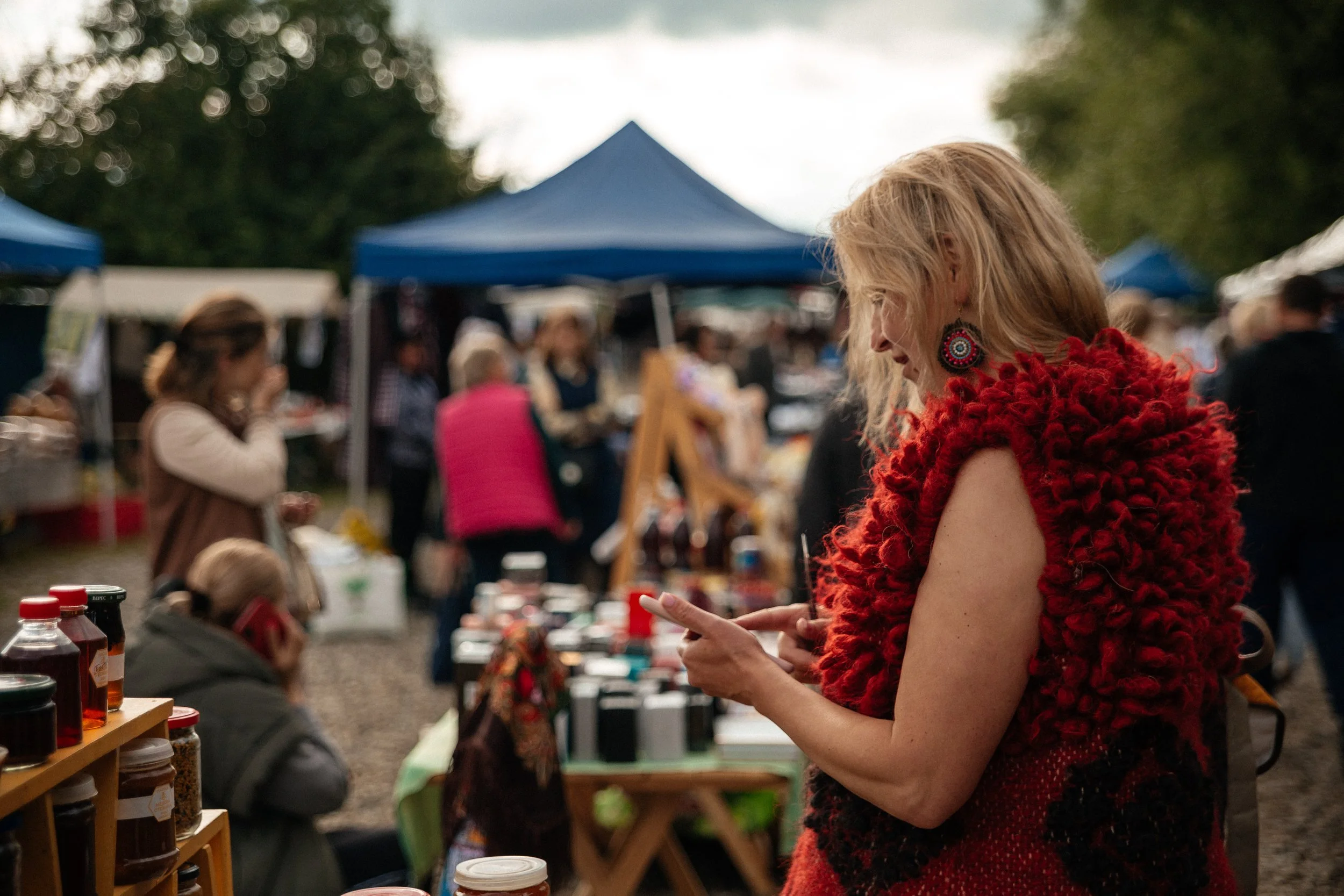
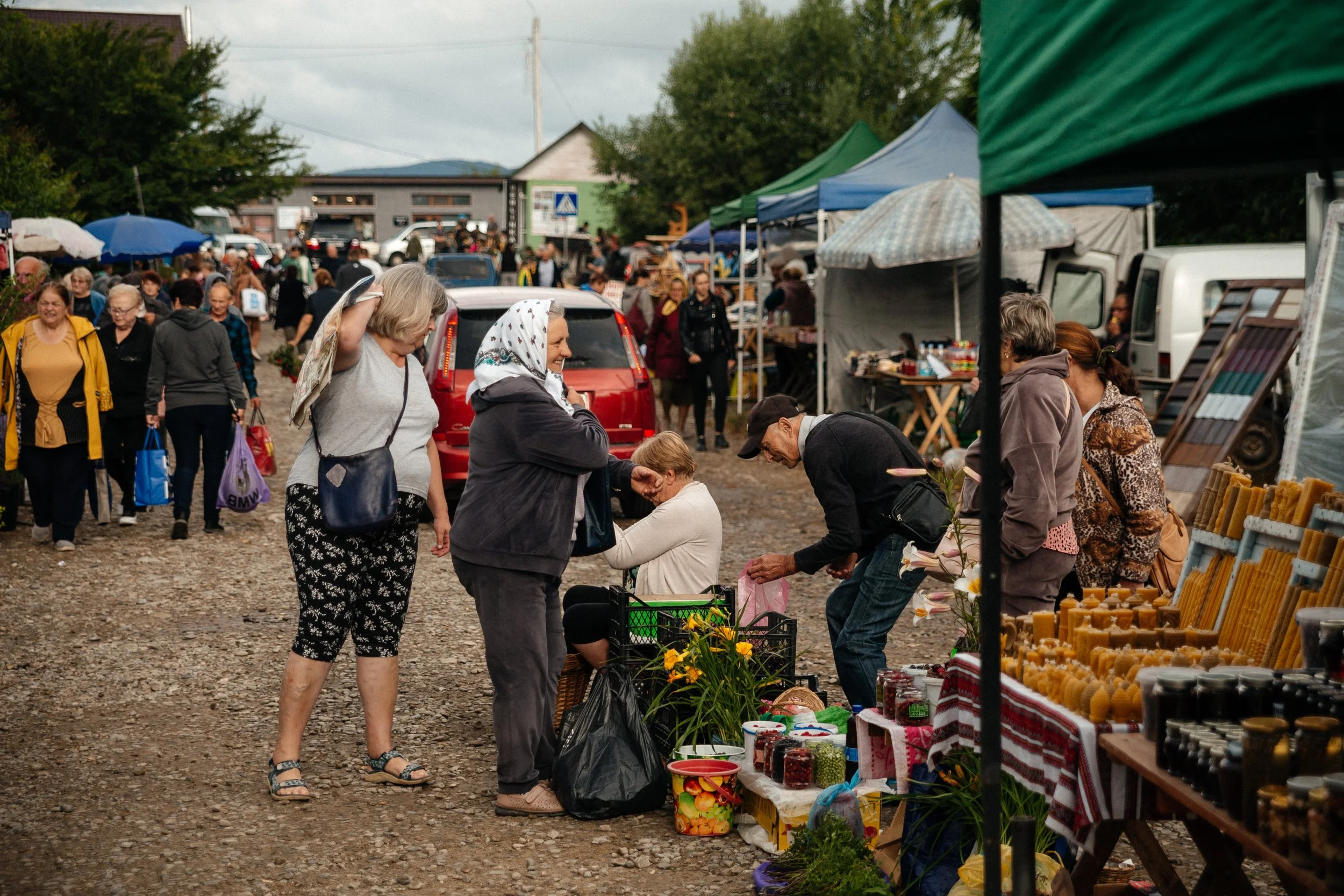
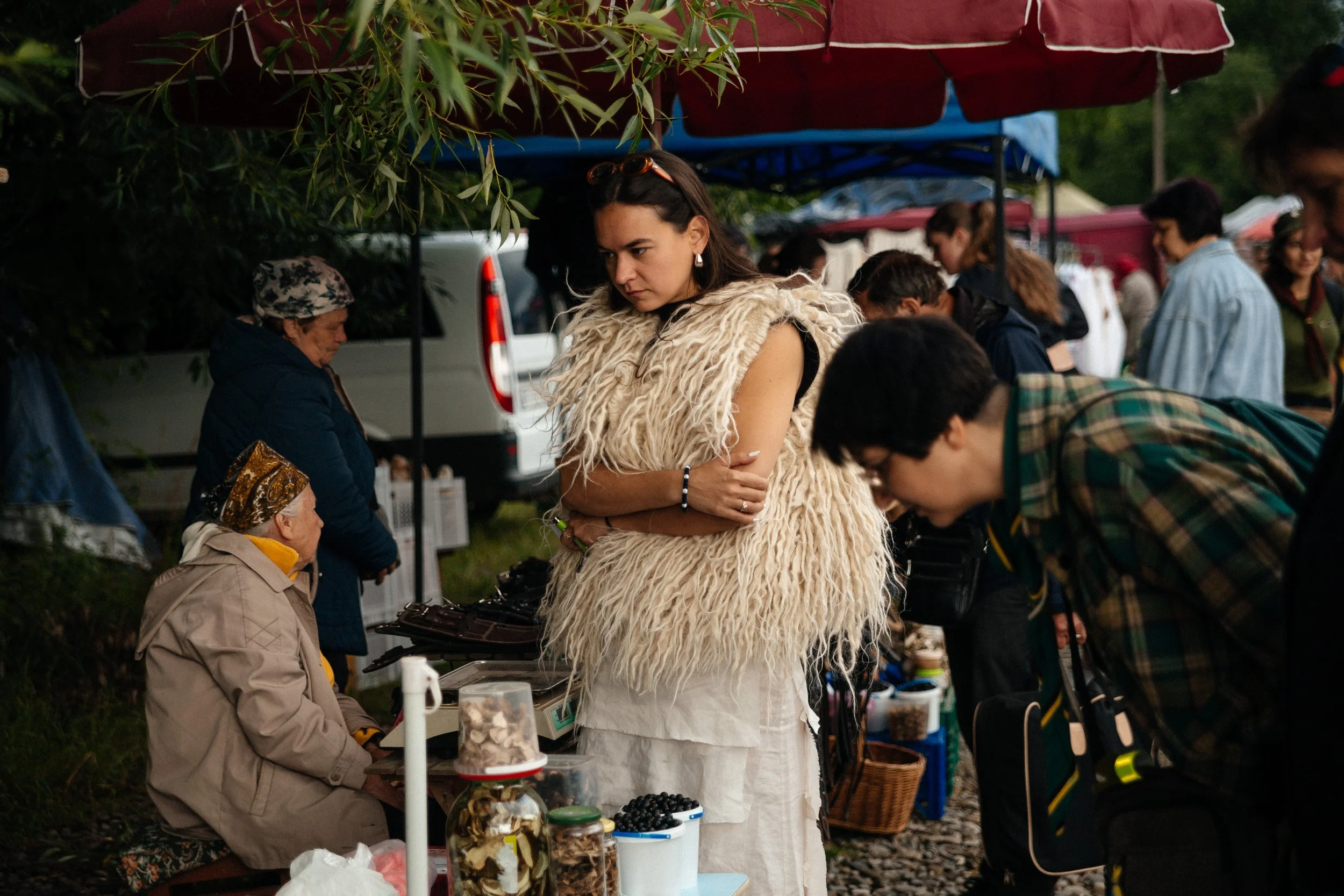
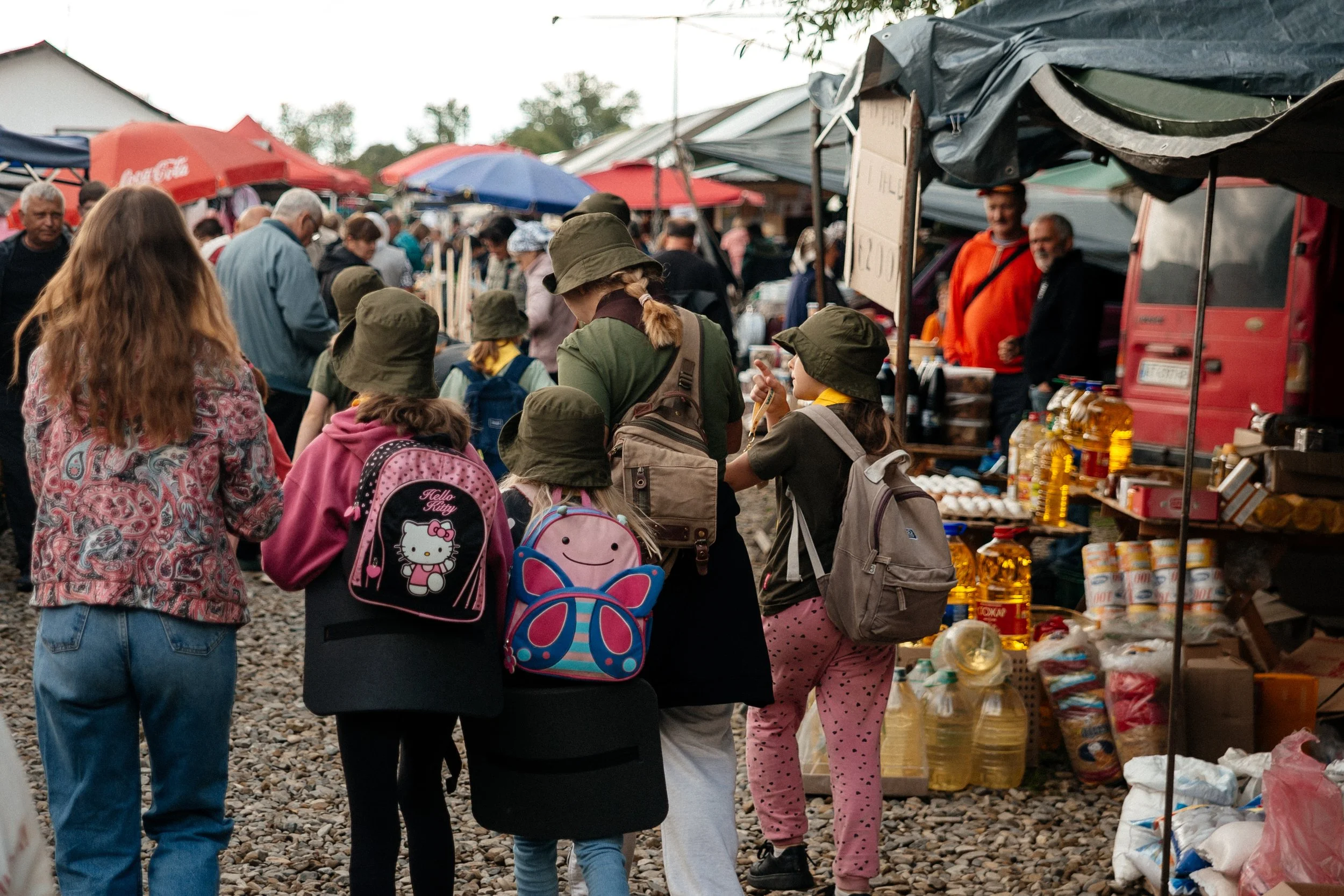
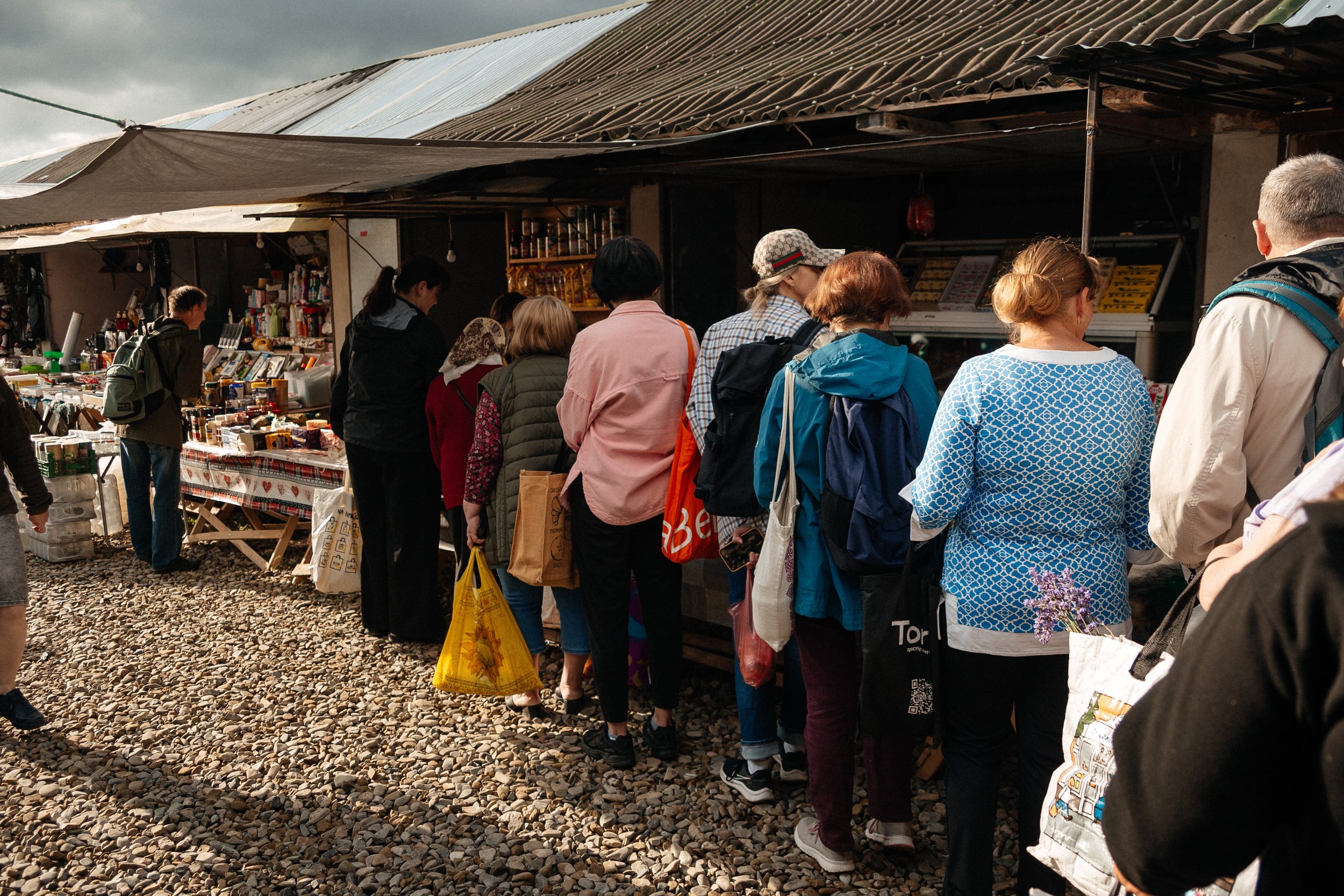
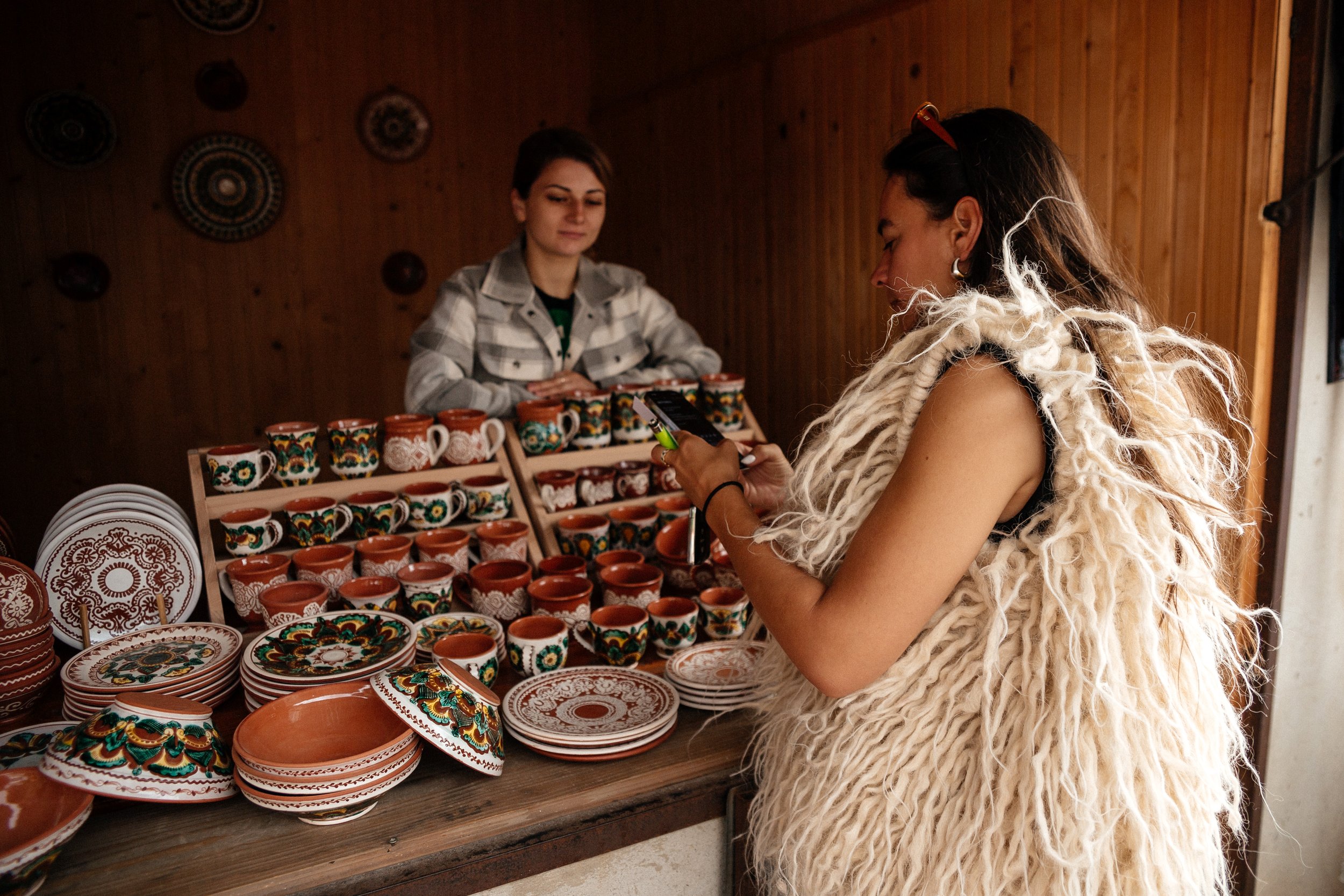
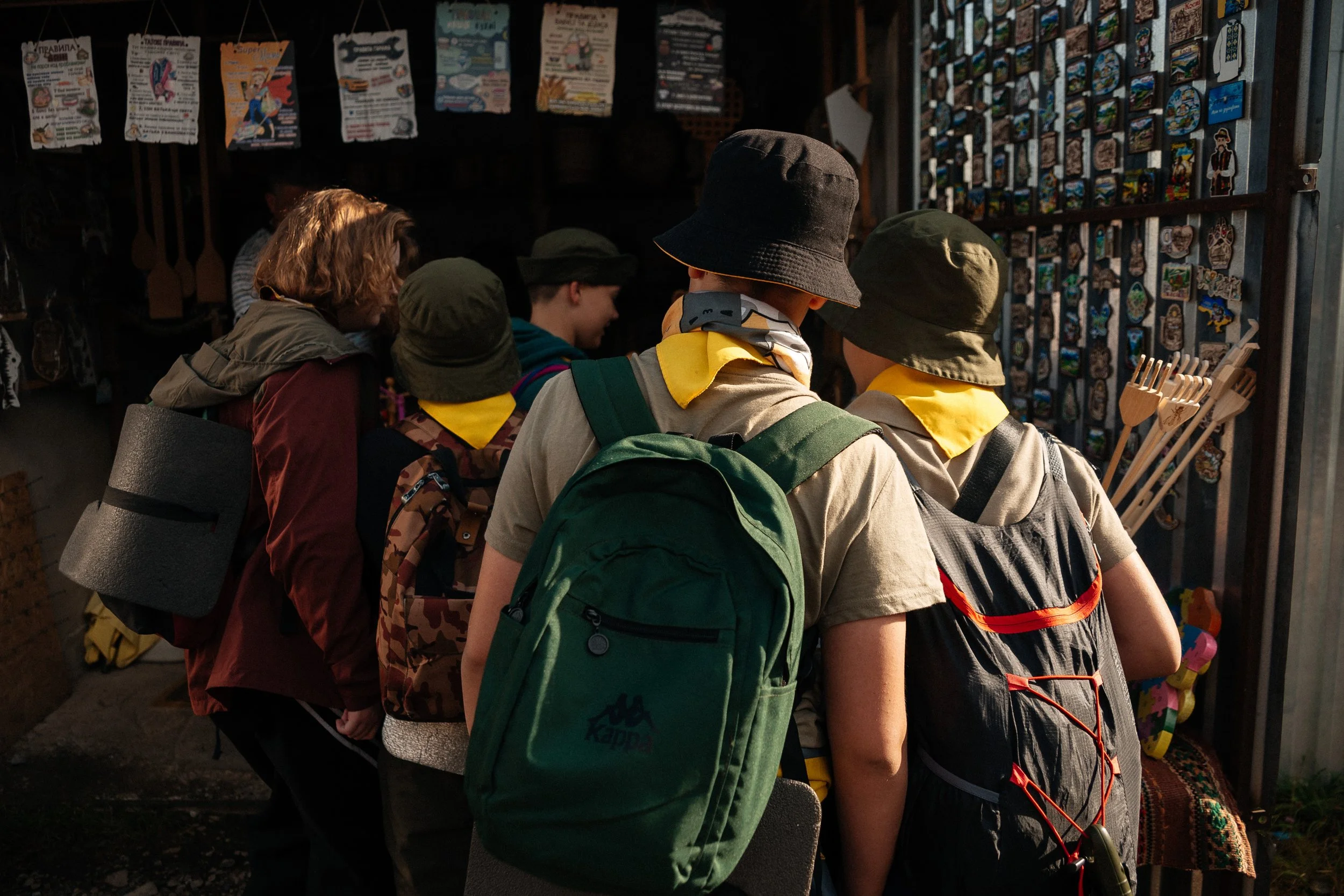
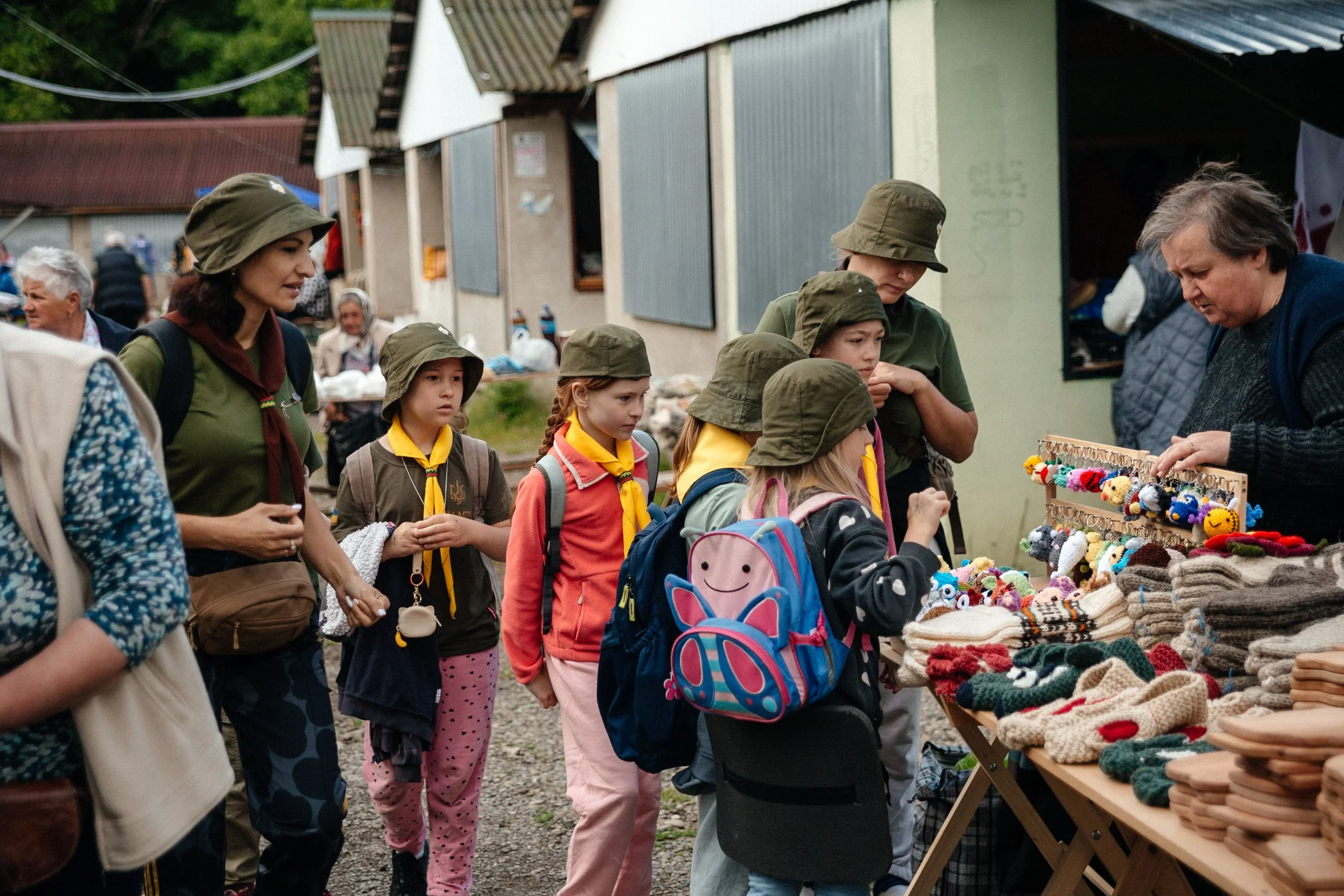
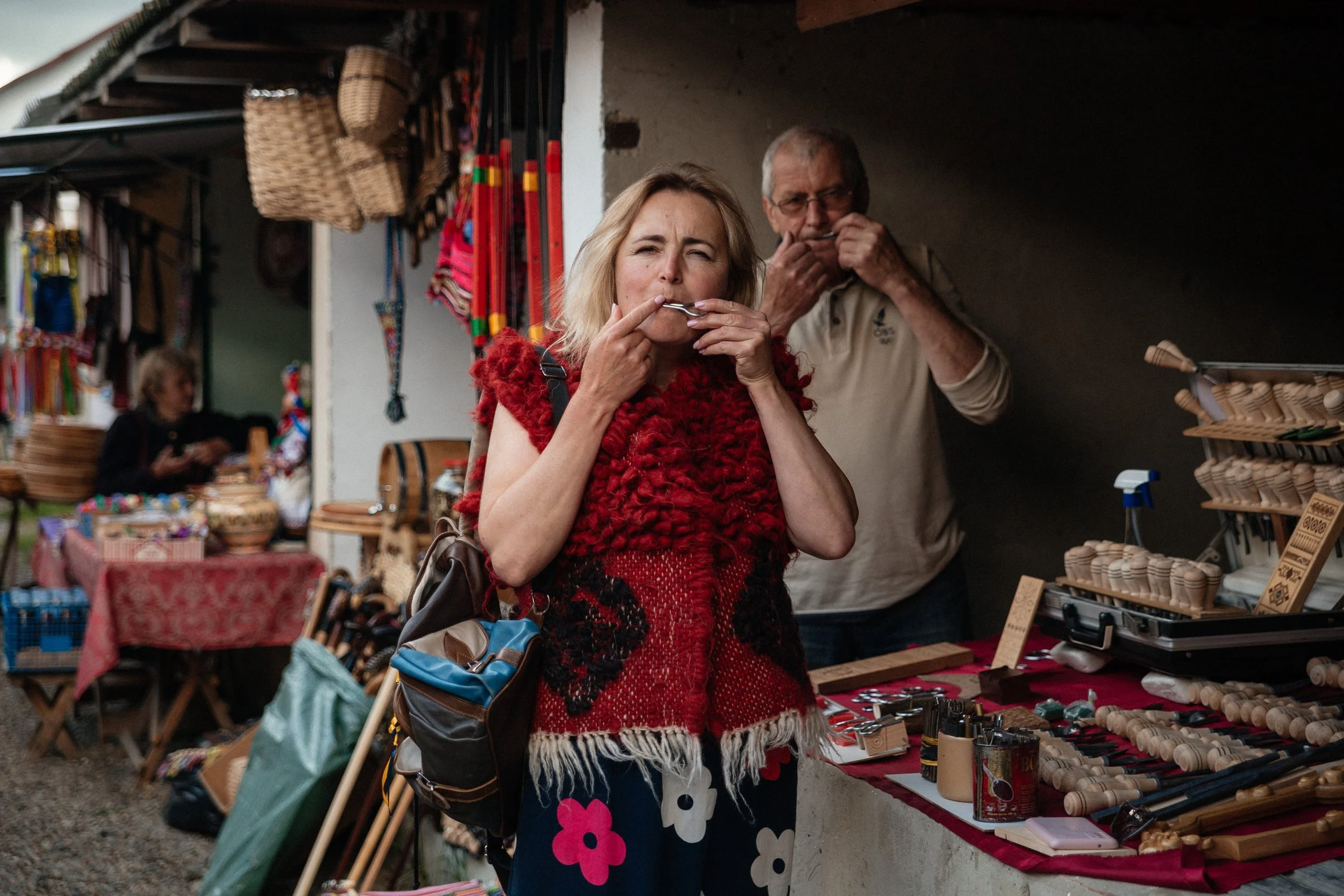
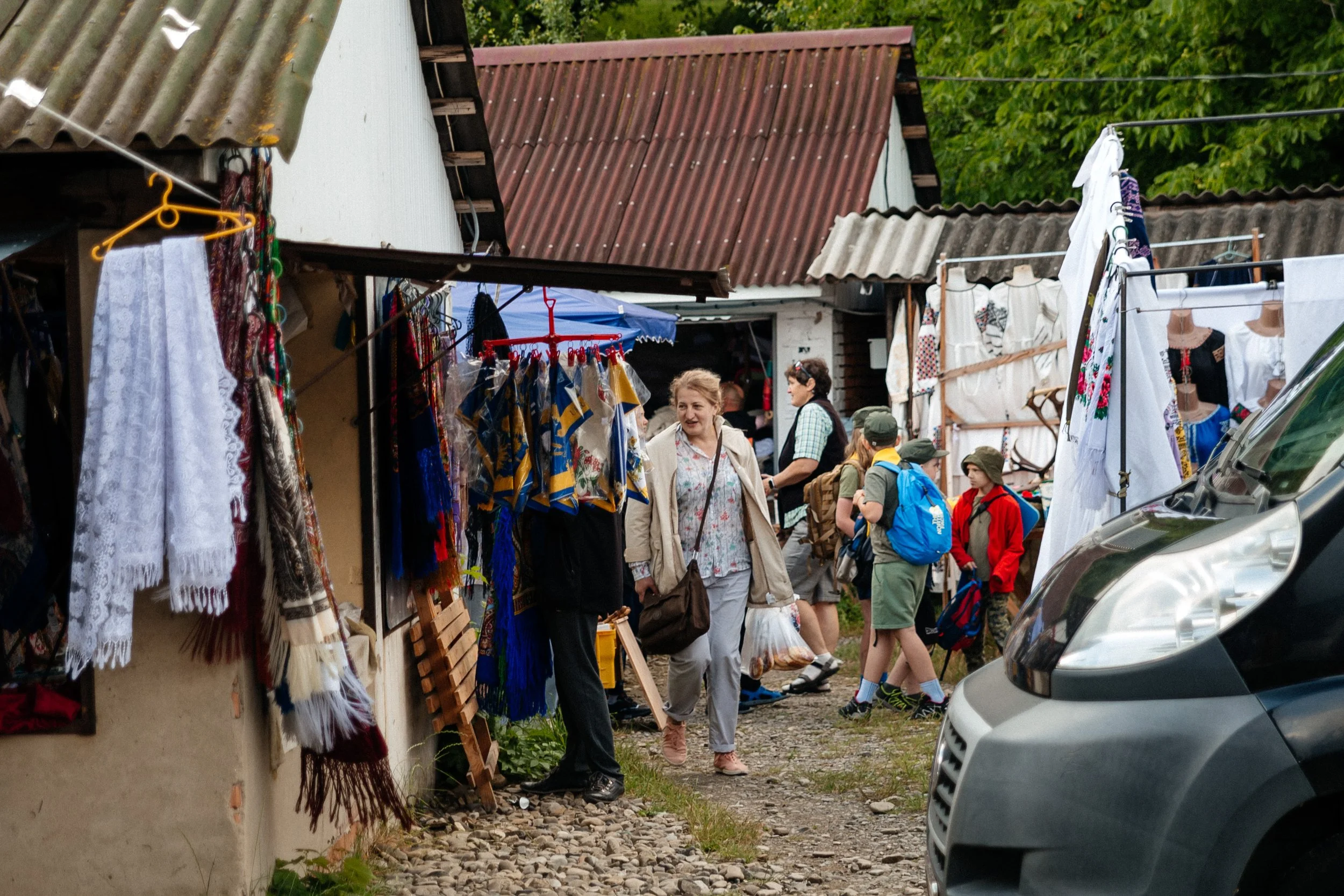
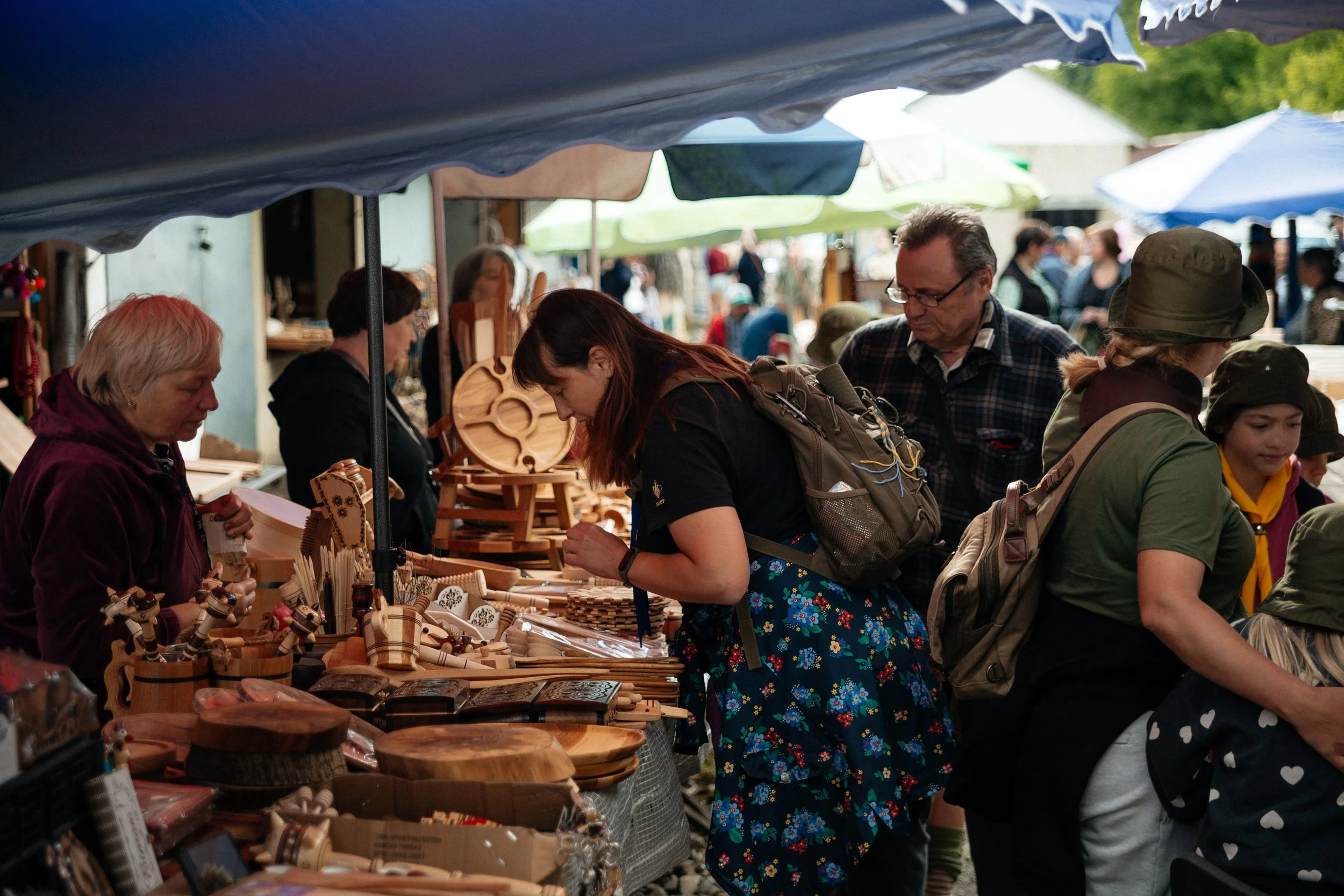
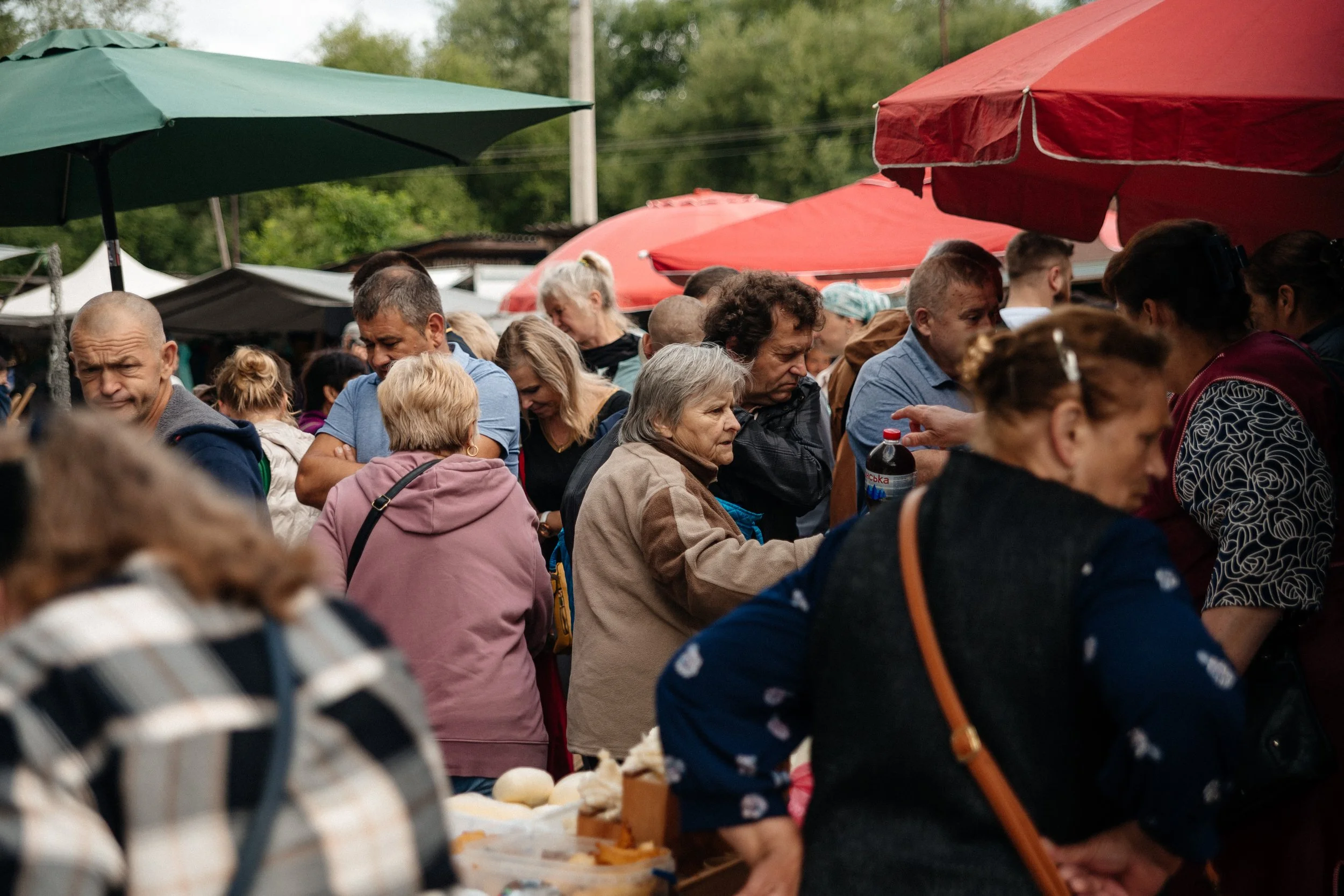
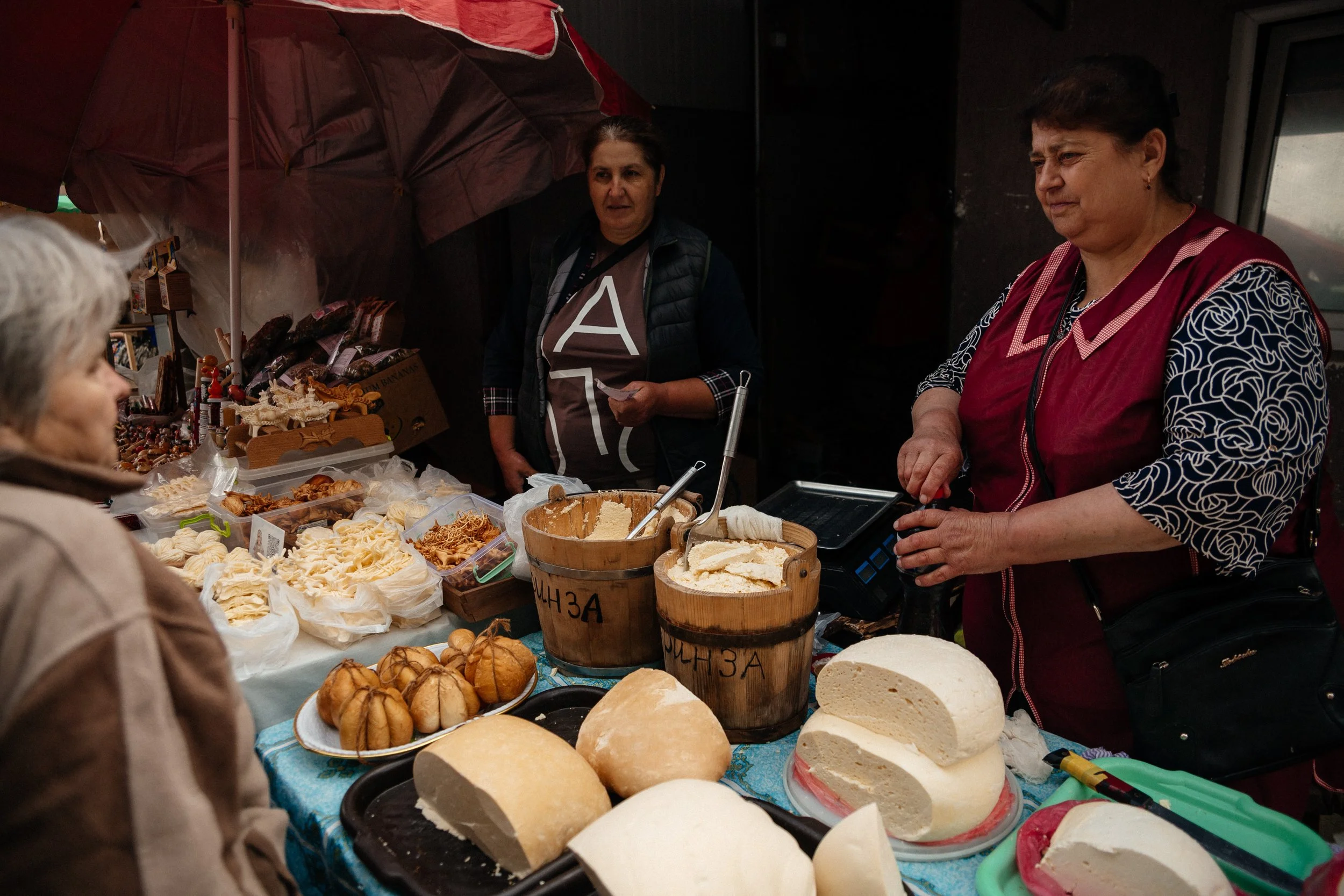
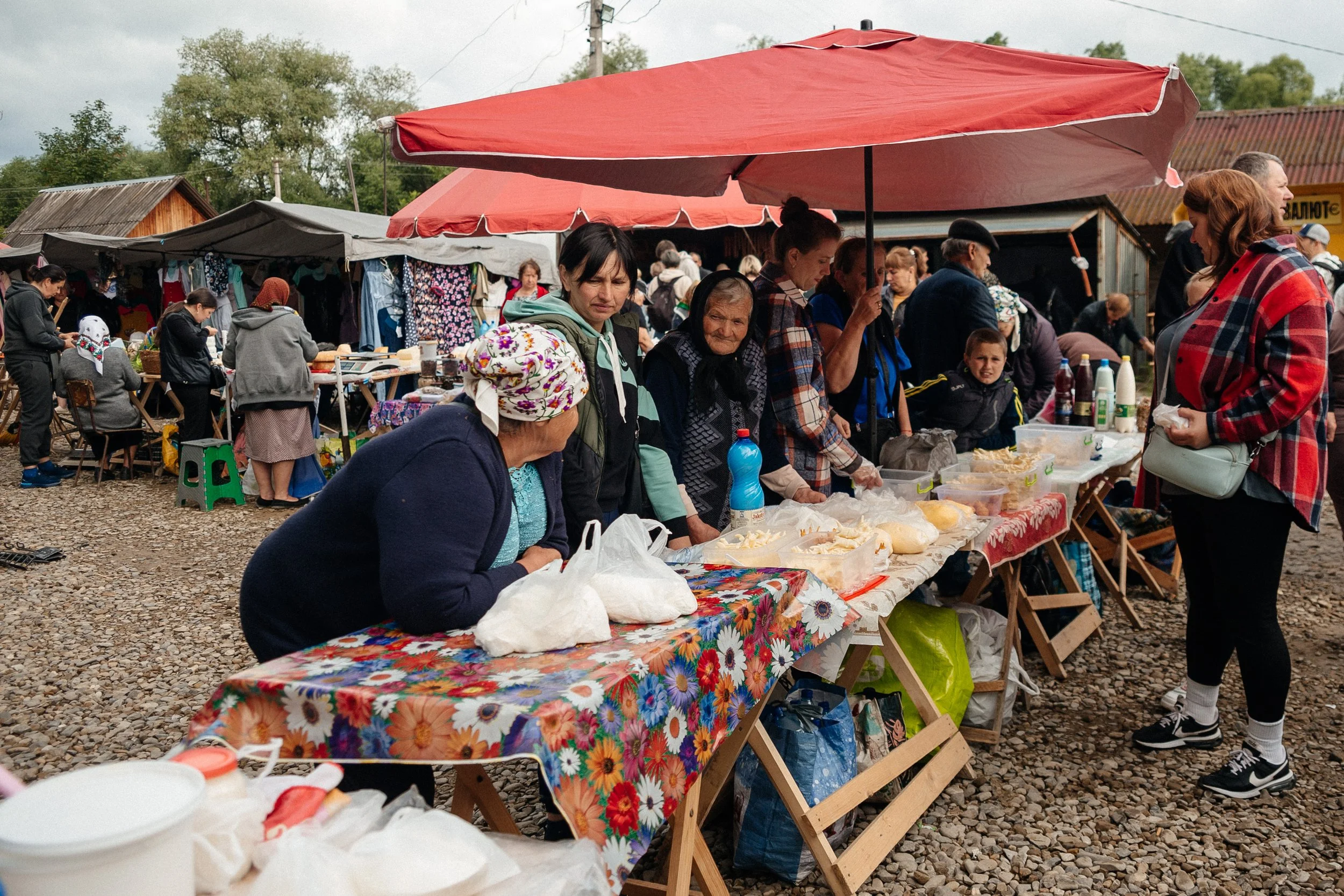
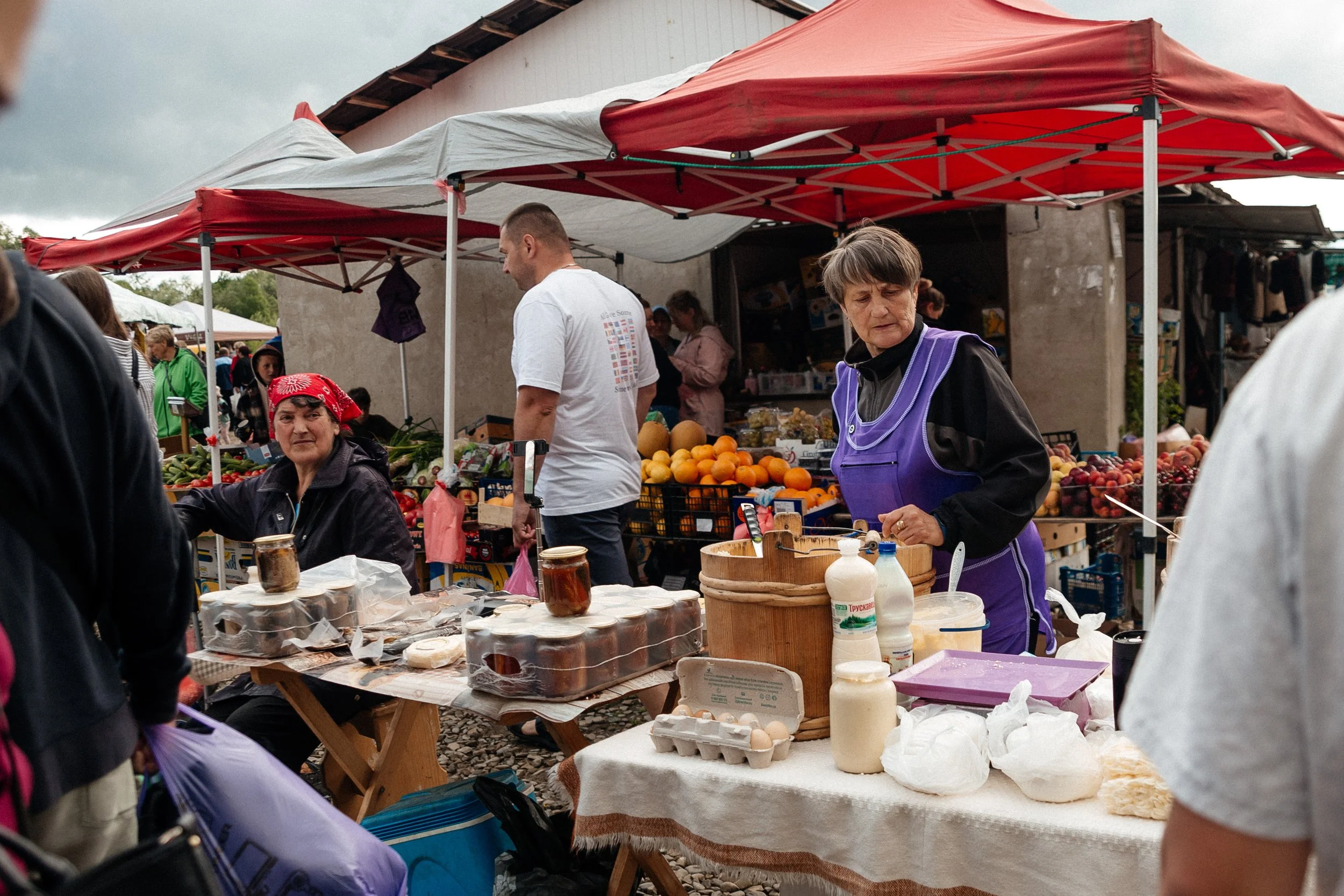
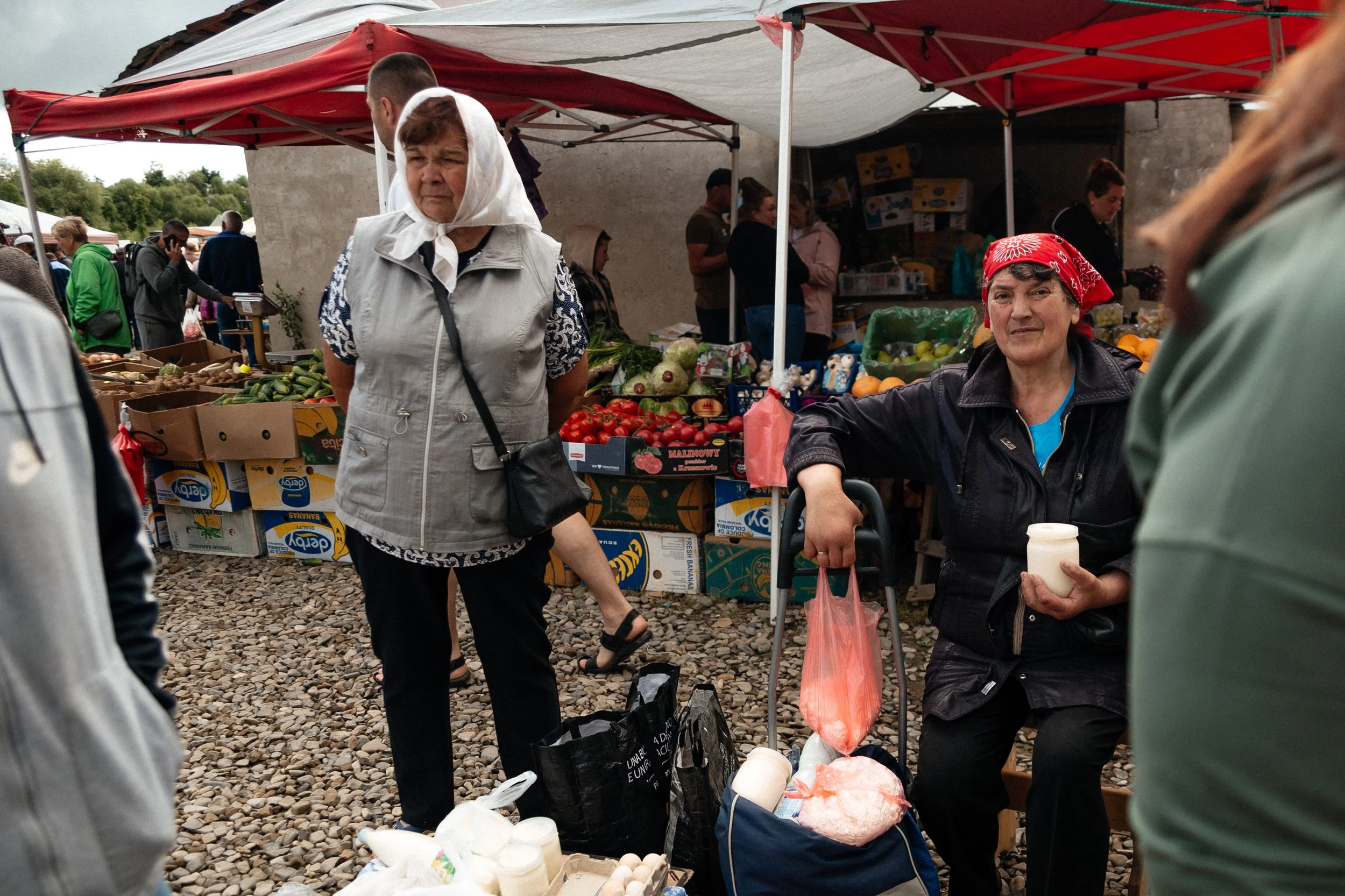
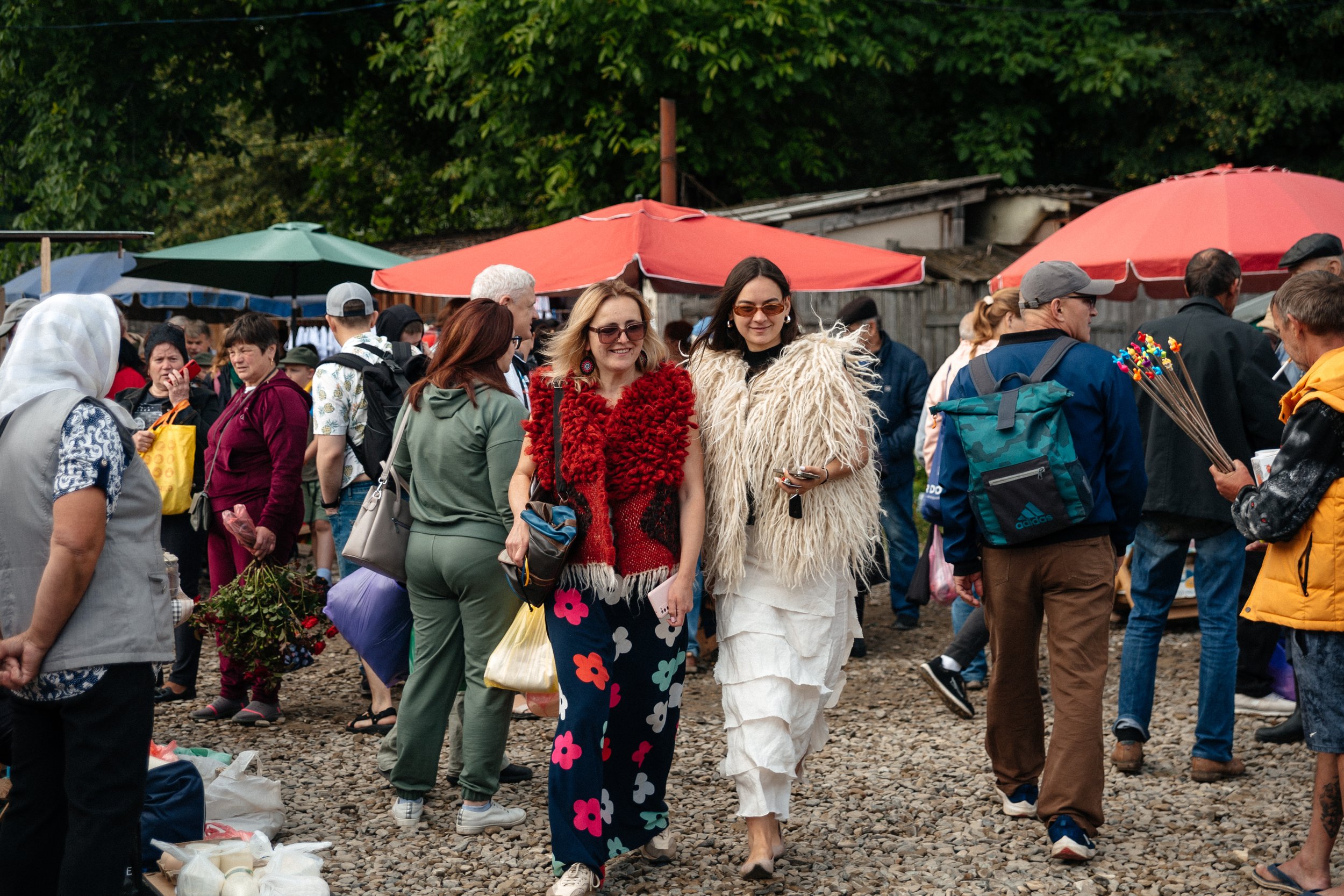
KOSIV BAZAAR • Present day

About the collector • Leonard Krawchuk
Written by Dr. Natalie Kononenko (2025)
Leonard Krawchuk is one of the most prominent collectors of Ukrainian folk art in Canada. His ancestors had come from Ukraine in 1902. His father and uncle searched for employment opportunities, finally settling in Flin Flon, Manitoba, where Leonard was born in 1947. Leonard attended school in Flin Flon and also participated in the Ukrainian Catholic church, where he sang in the choir and served as an acolyte. Like many places with a Ukrainian population in Canada, Flin Flon had a Ukrainian dance program for children, and Leonard was an enthusiastic participant. His parents were wary of showcasing their Ukrainian heritage because, at that time, being a foreigner or even a person of non-Anglo heritage was difficult. It was Leonard’s aunt who filled Leonard in on his Ukrainian background. Read more…
In Conversation with Leonard Krawchuk
(October 2025)
Alexandra Shkandrij talks to notable collector Leonard Krawchuk about his collection and his early years, and the importance of preserving the intangible heritage inherent in these works.
Approx. 35 minutes
Approx 54 minutes
Collecting the Remarkable: An Afternoon With Leonard Krawchuk (October 2025)
Filmed at St.Volodymyr Institute, this presentation features collector Leonard Krawchuk in conversation with moderator Alexandra Shkandrij. Leonard reflects on his travels to Ukraine – including two visits during the Soviet era – his encounters with master artisans, the challenges of preserving fragile folk art, and the relationships he built with fellow collectors across the Ukrainian diaspora.

The Bazaar
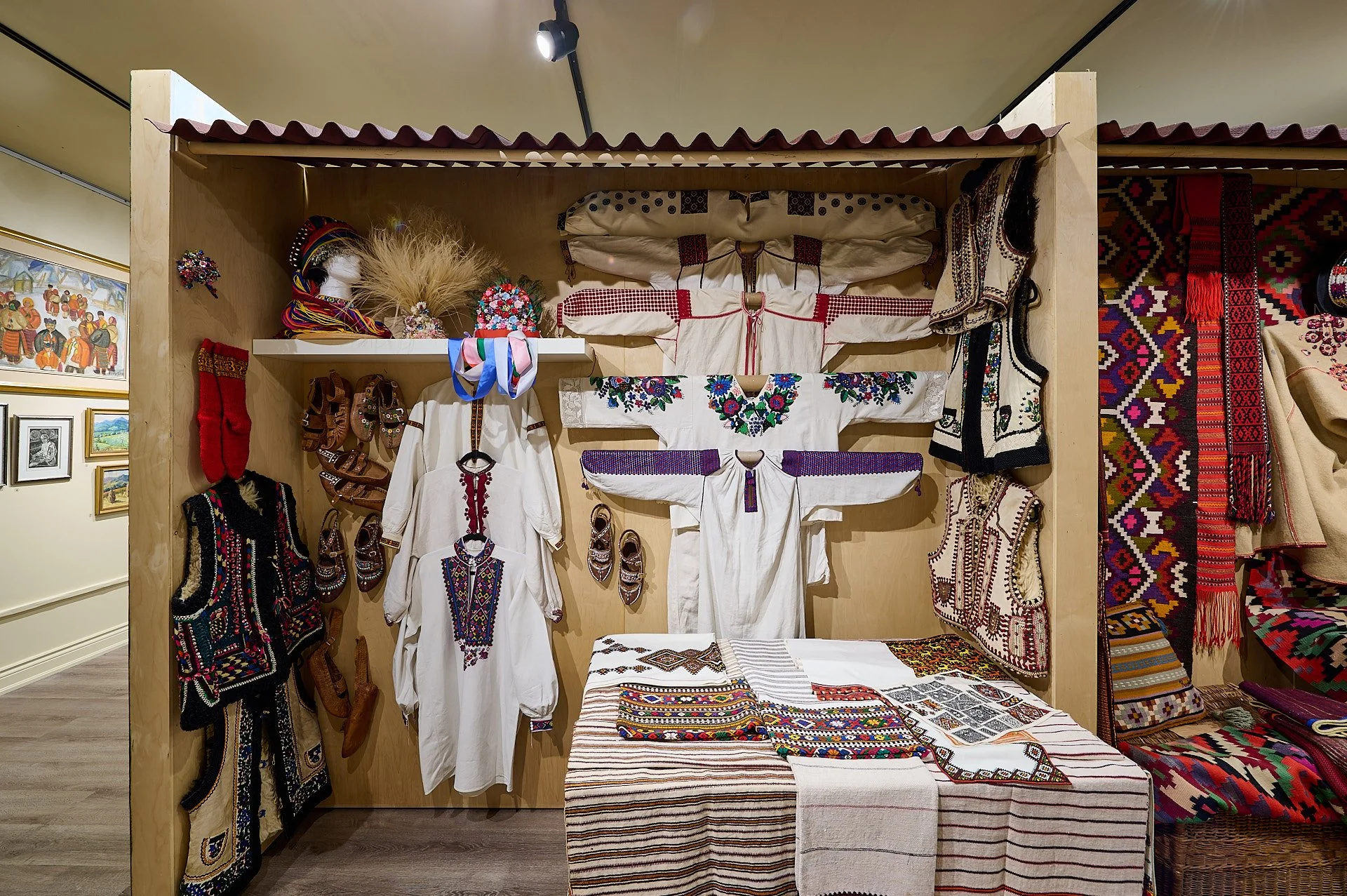
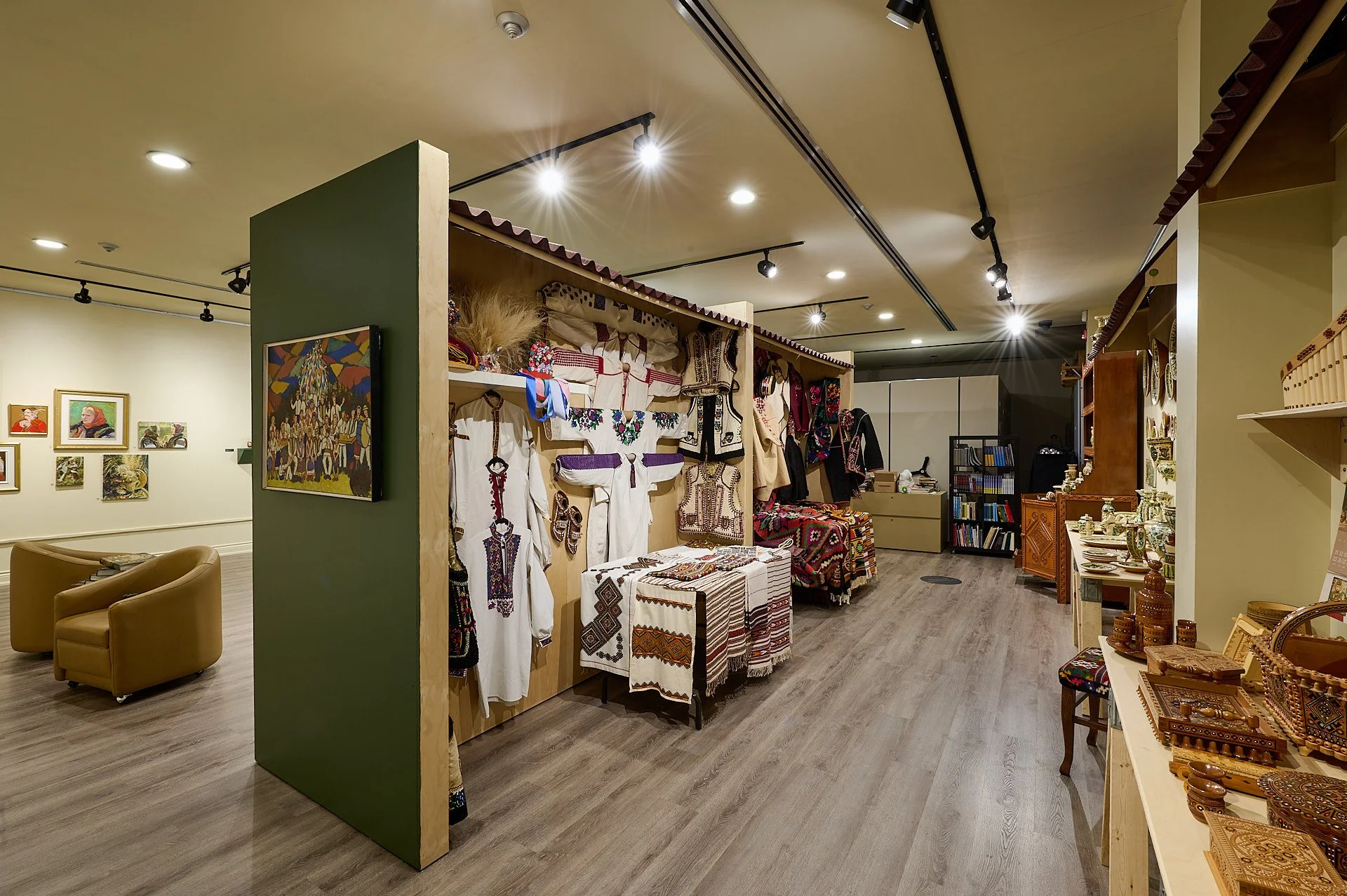
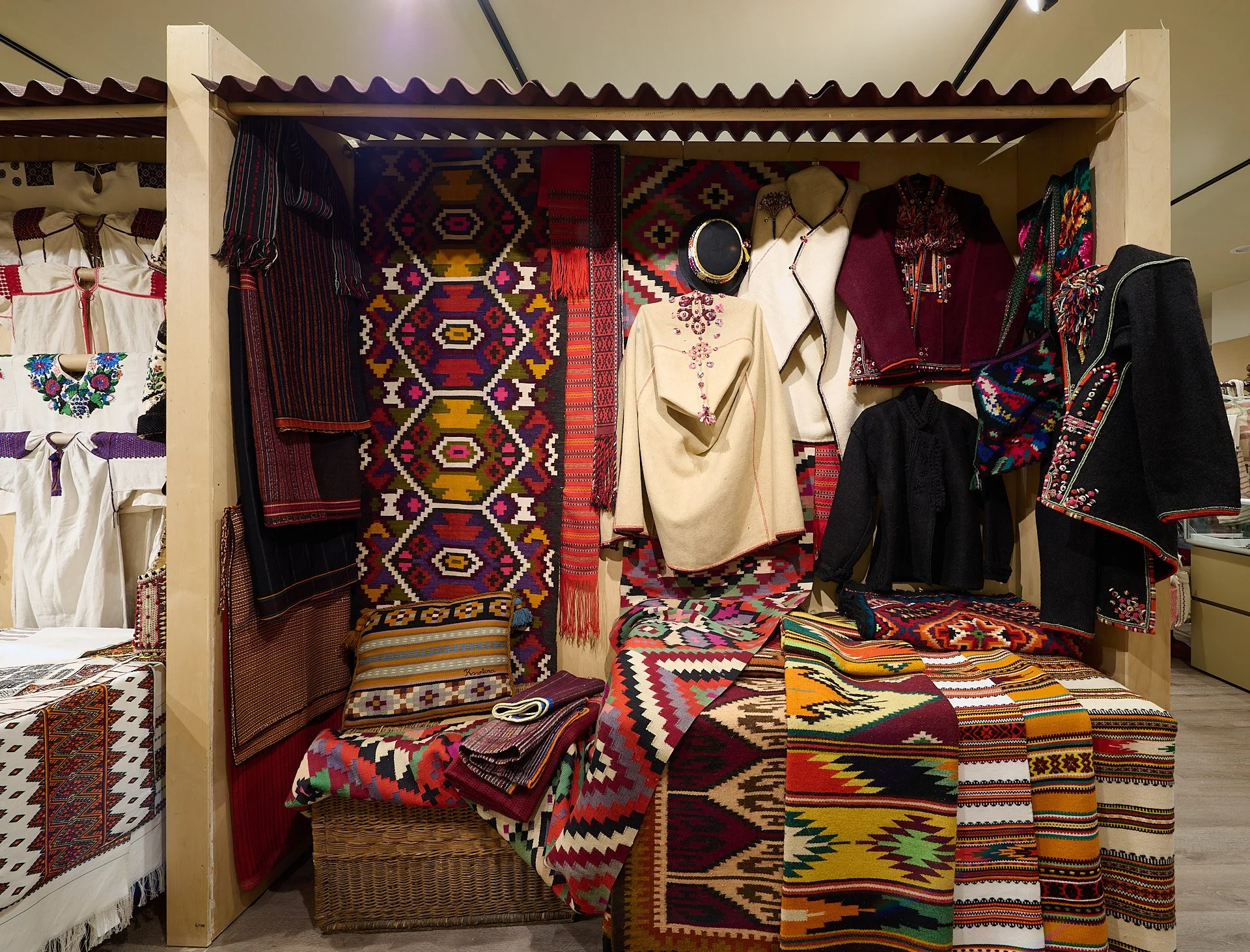
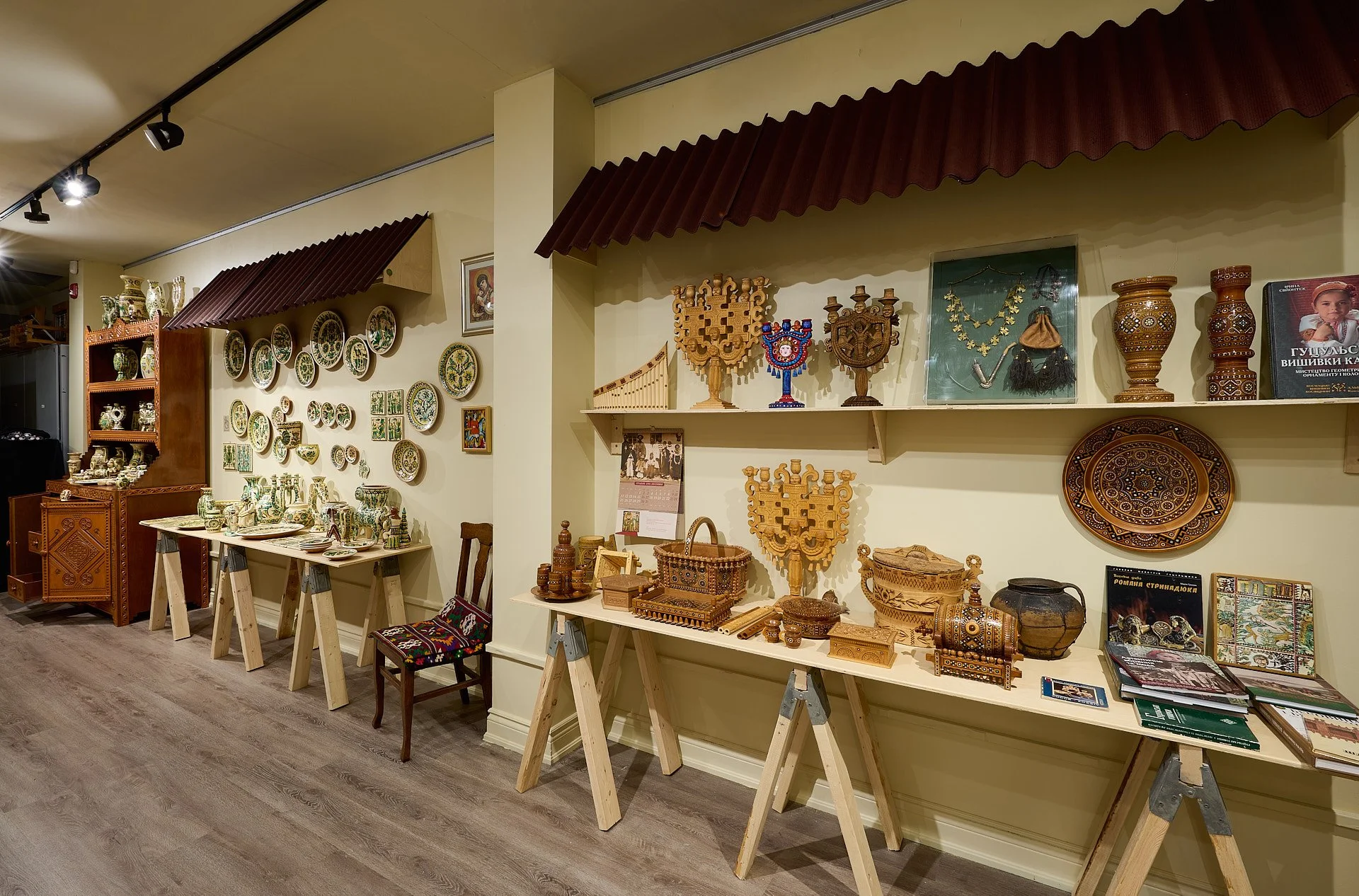
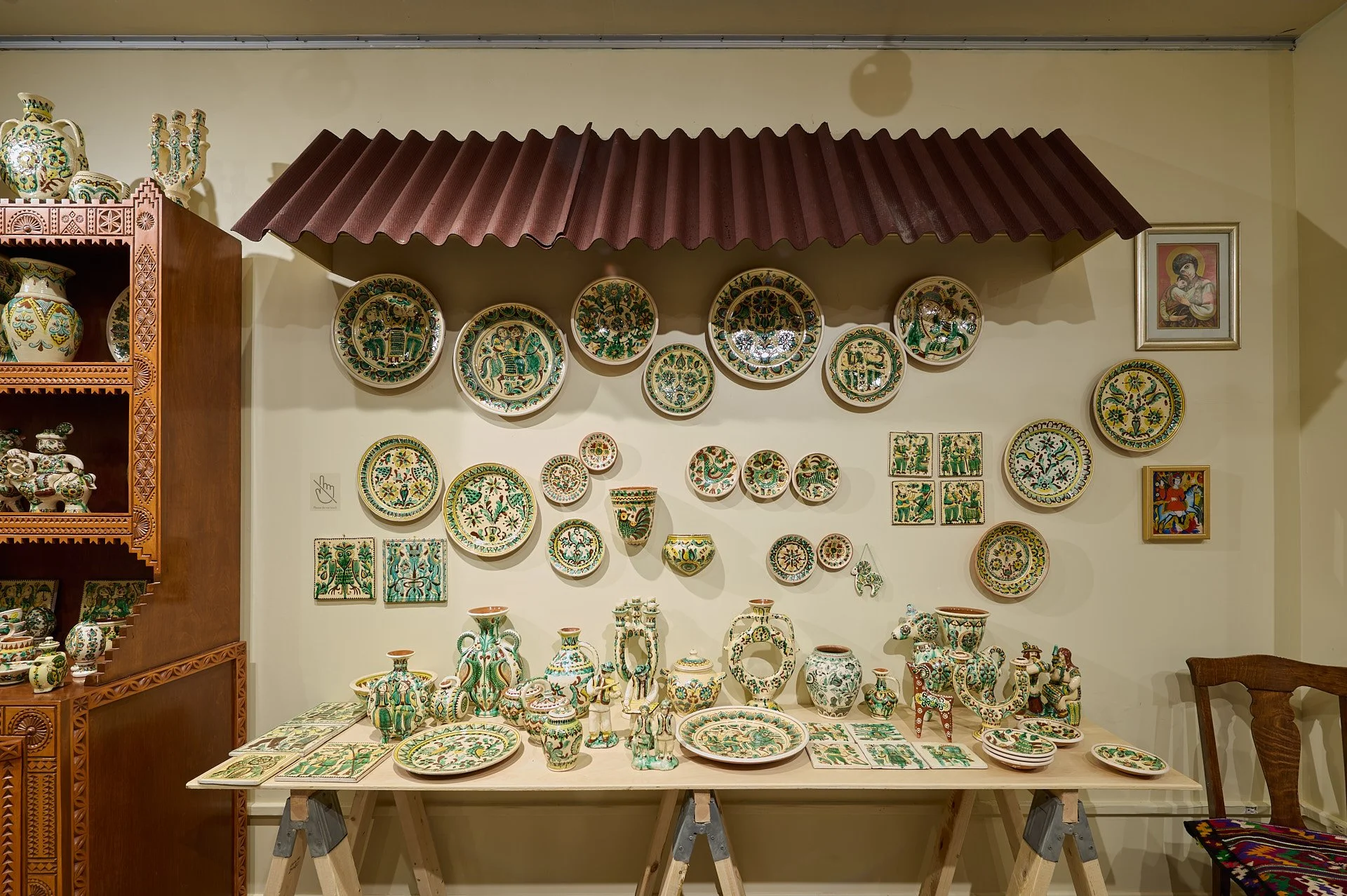
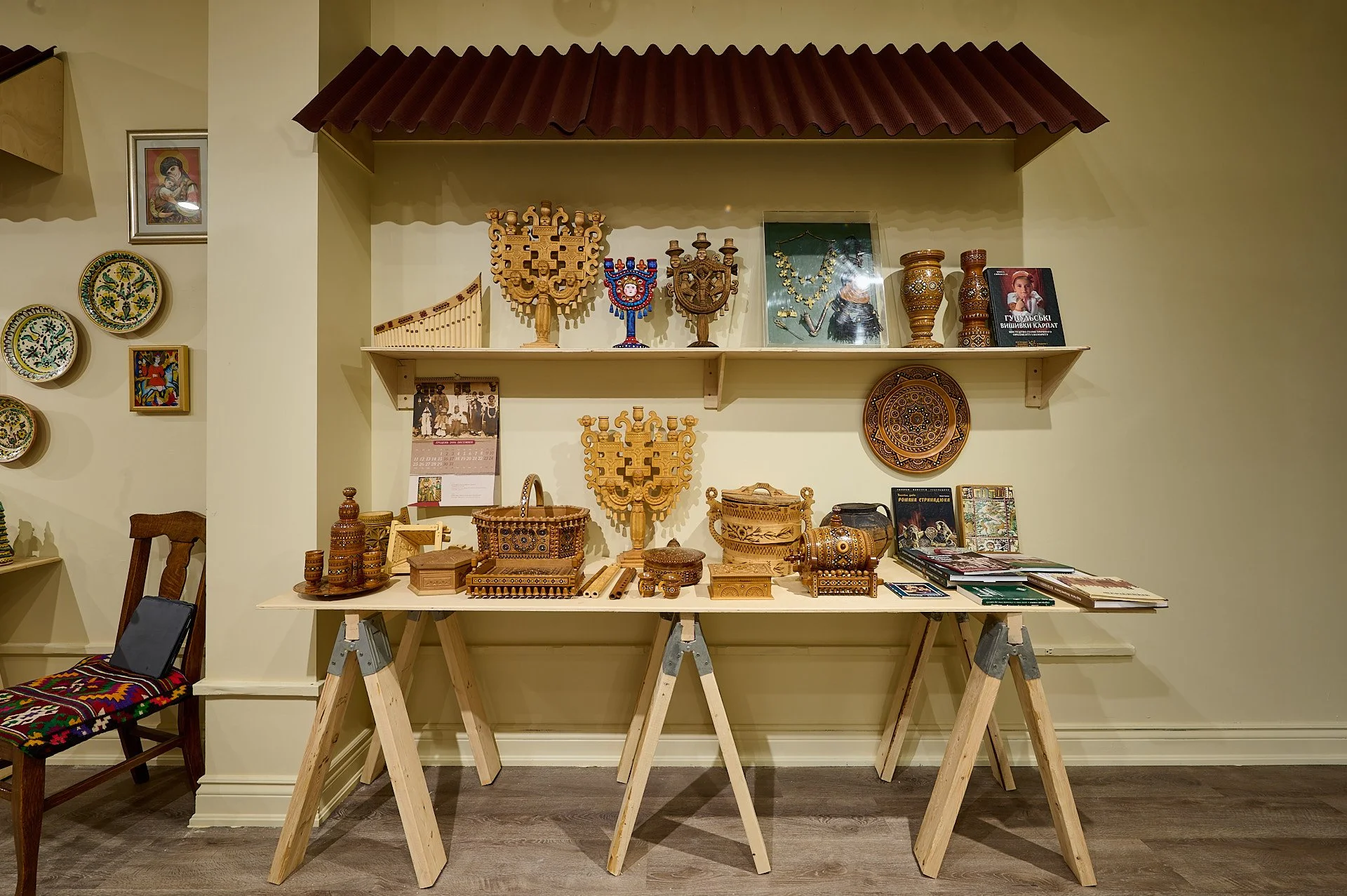
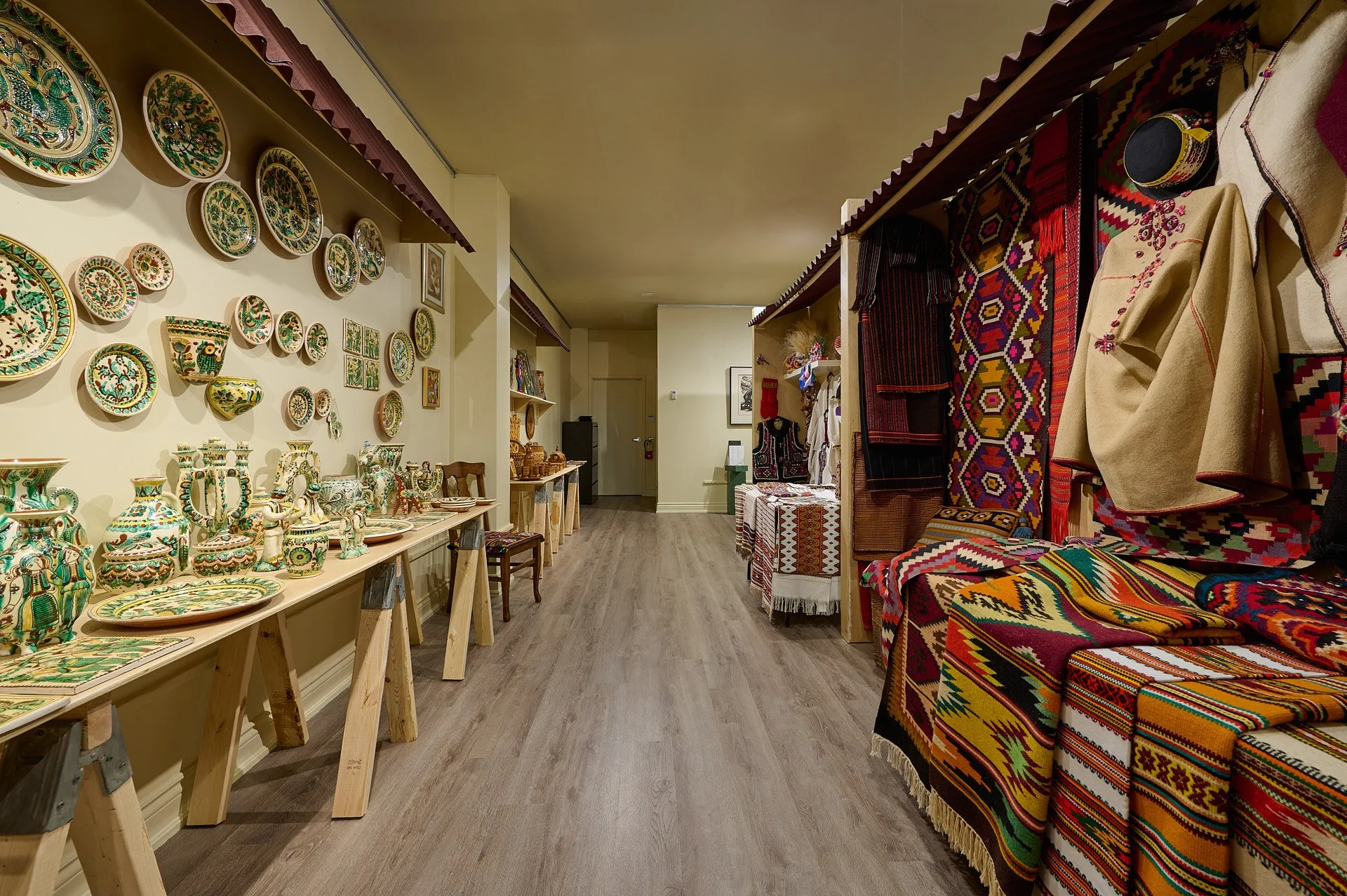
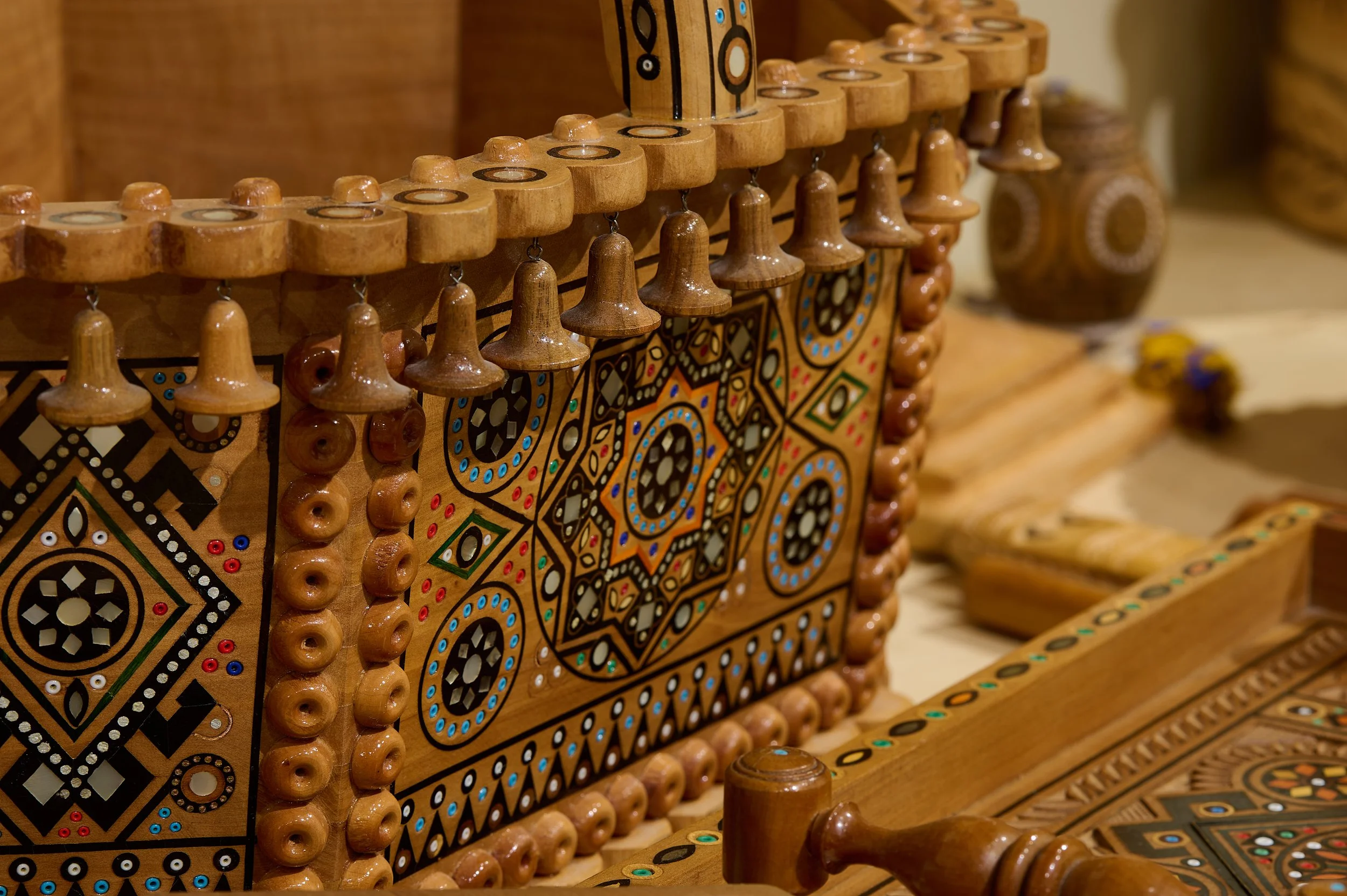
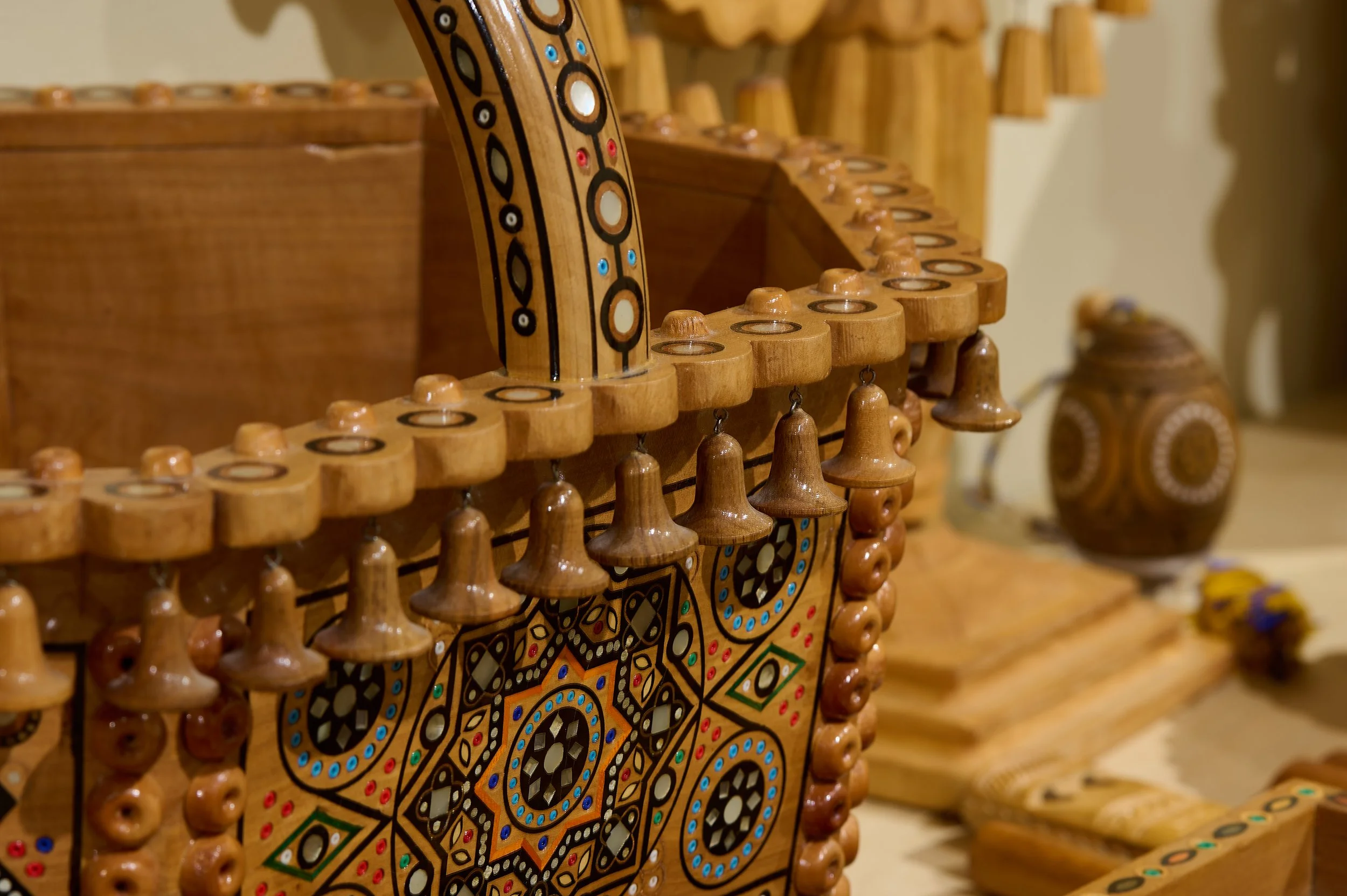
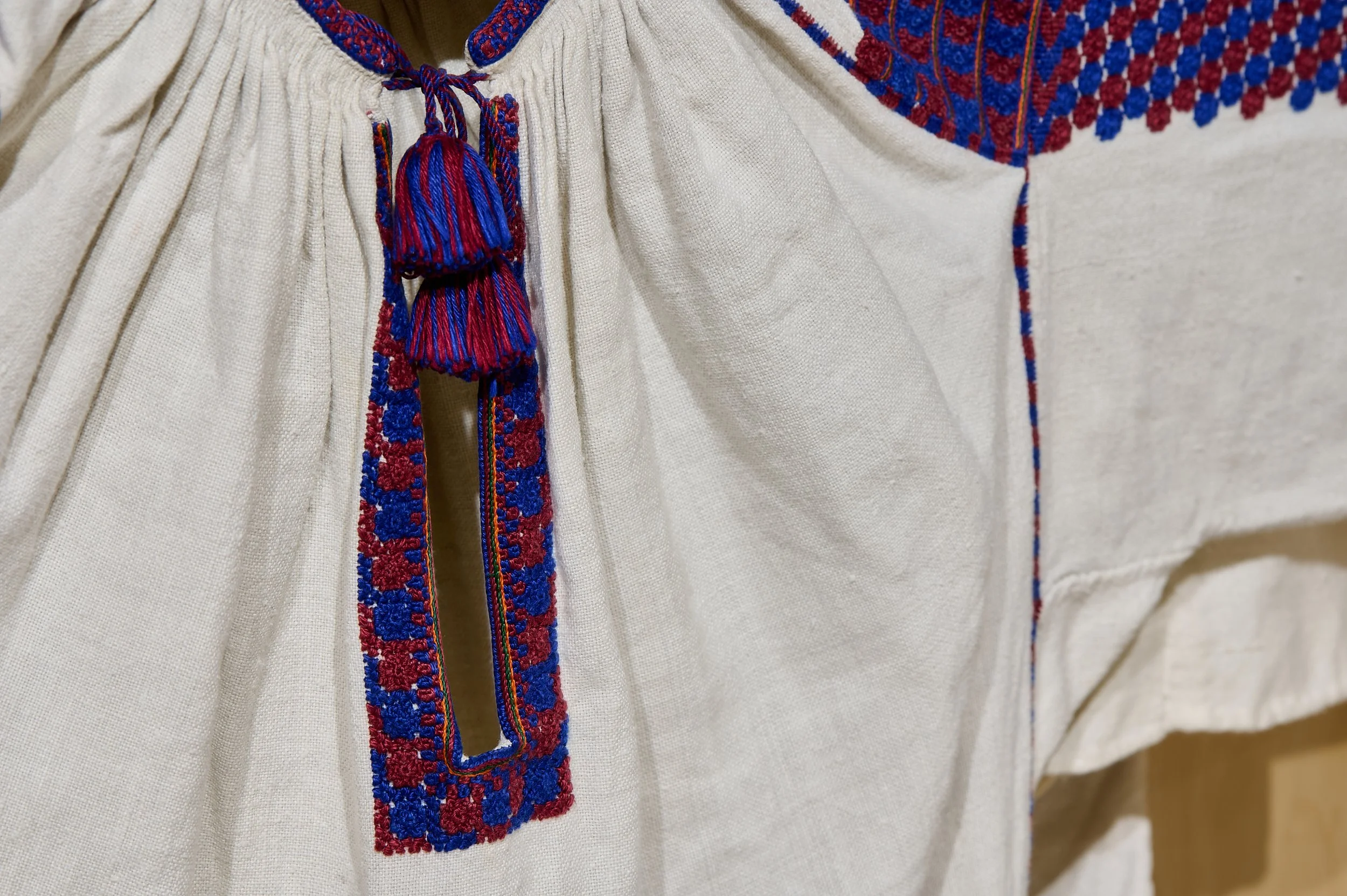
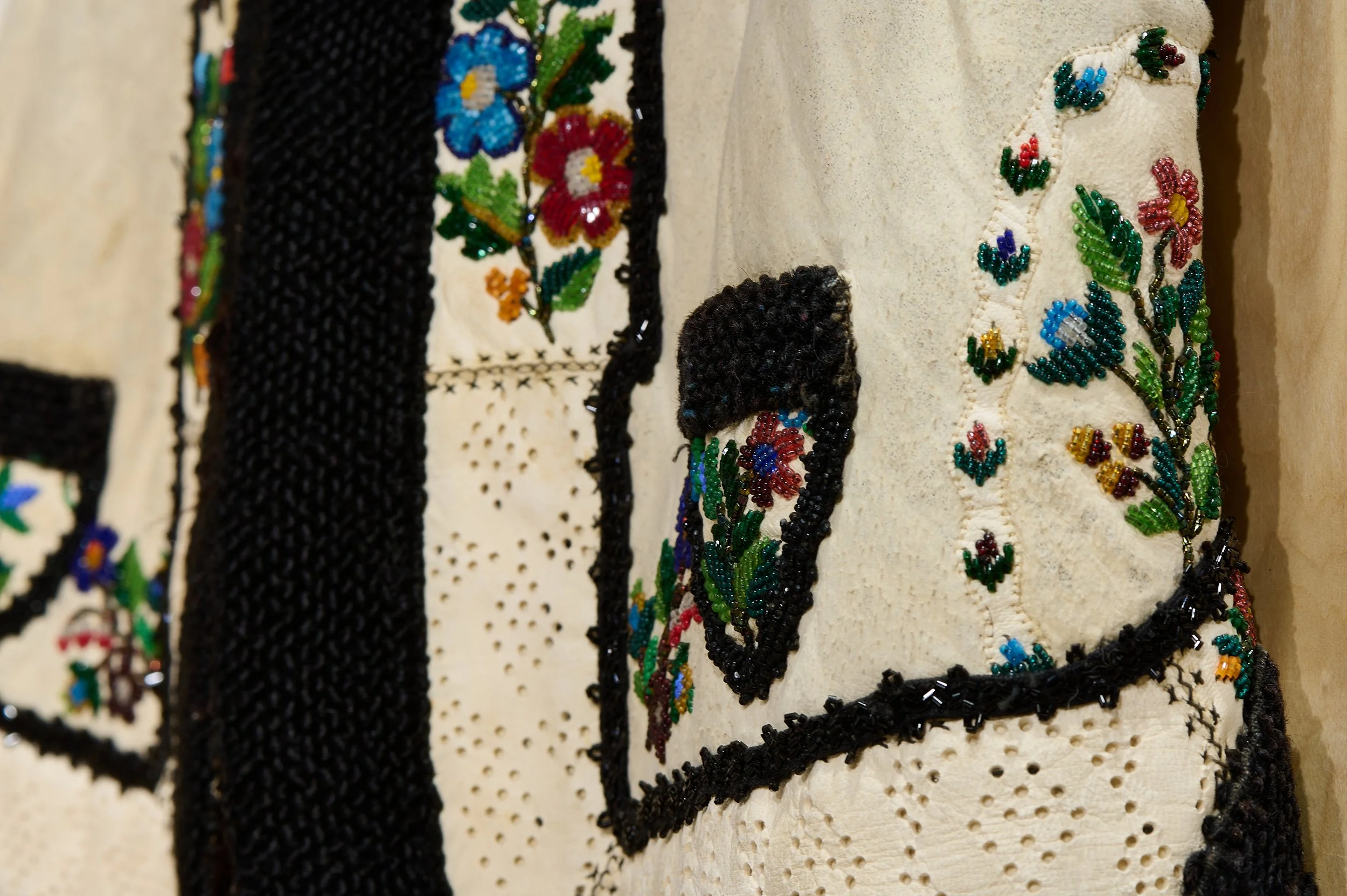
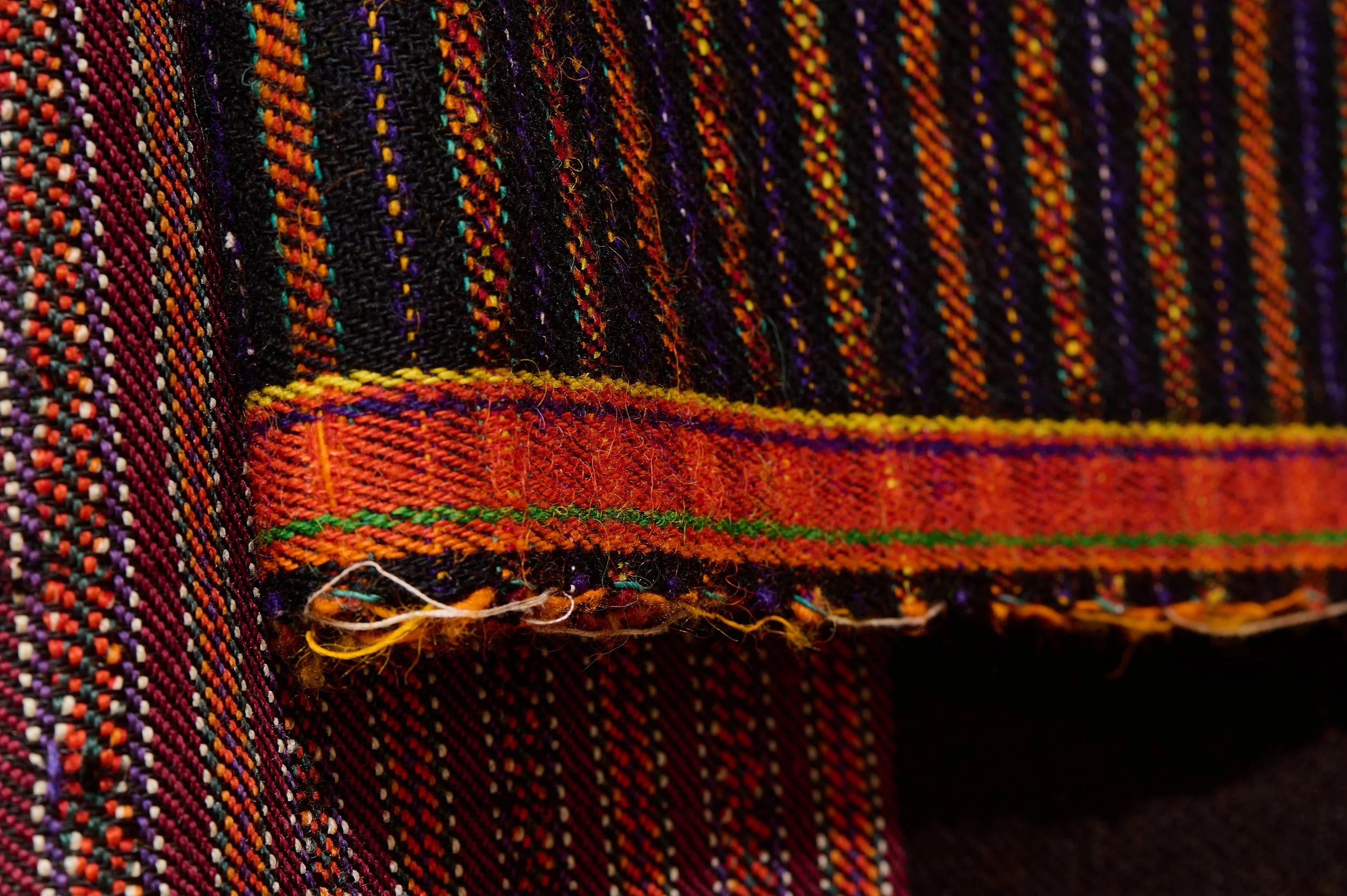
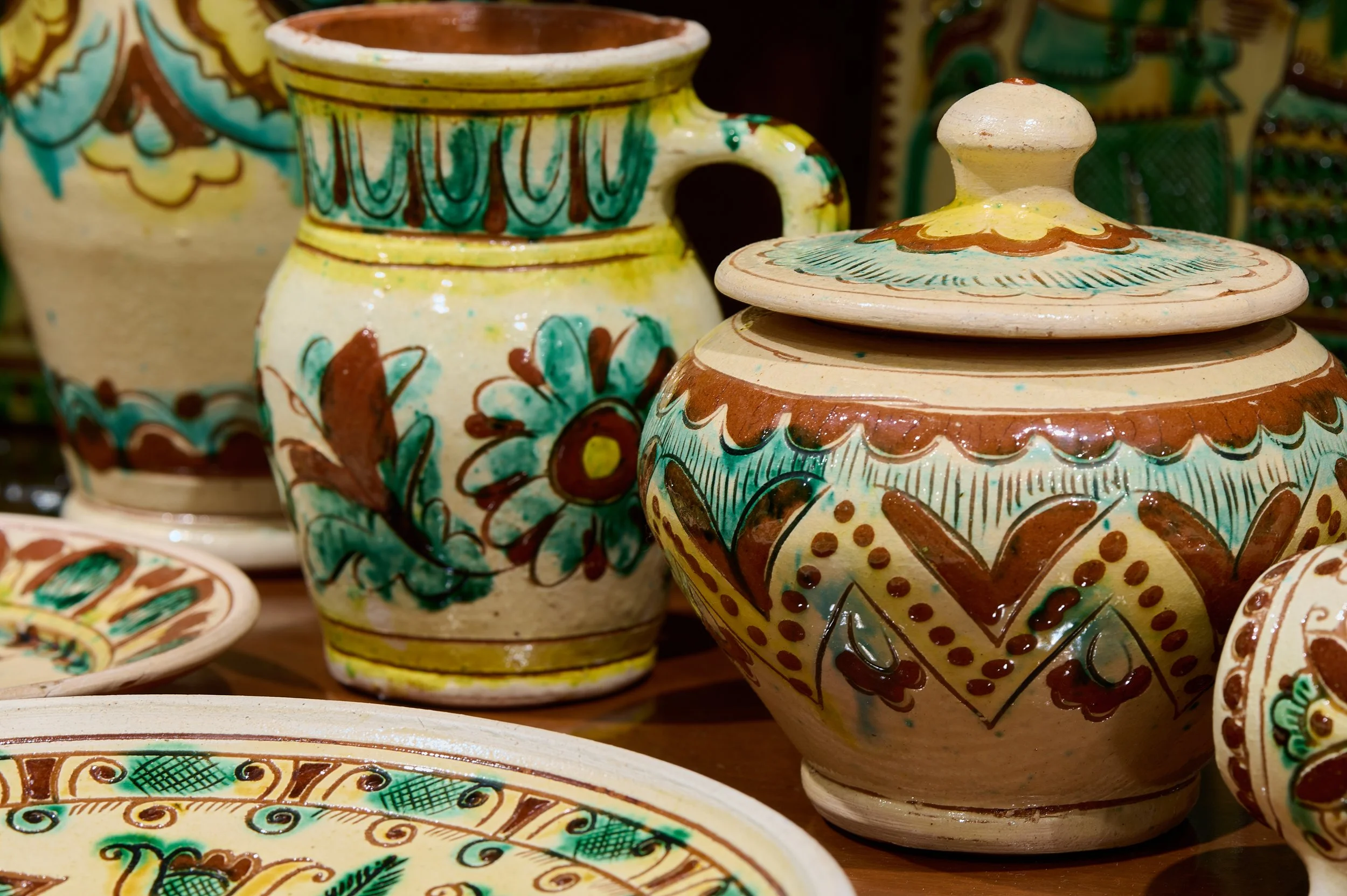
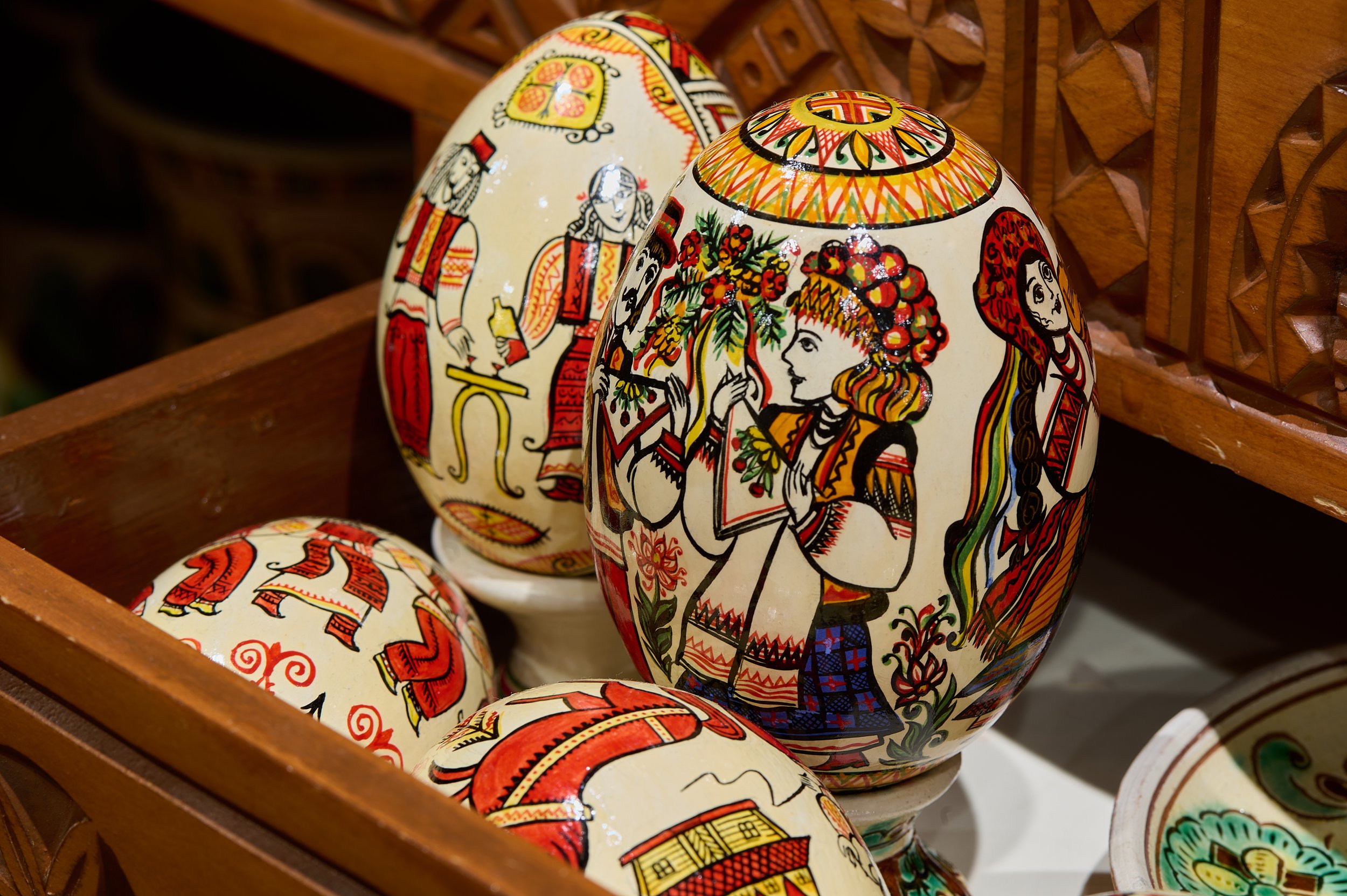
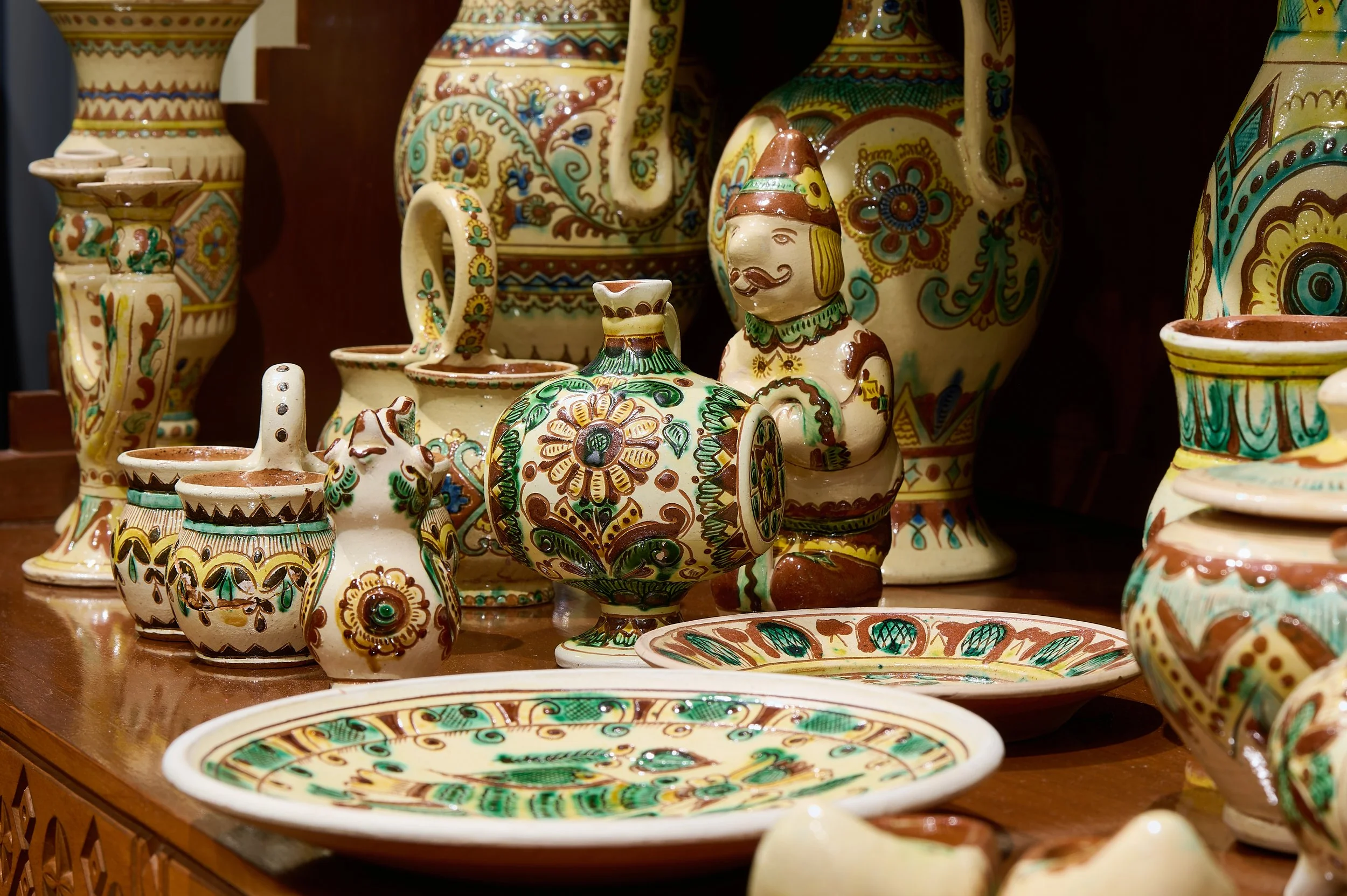
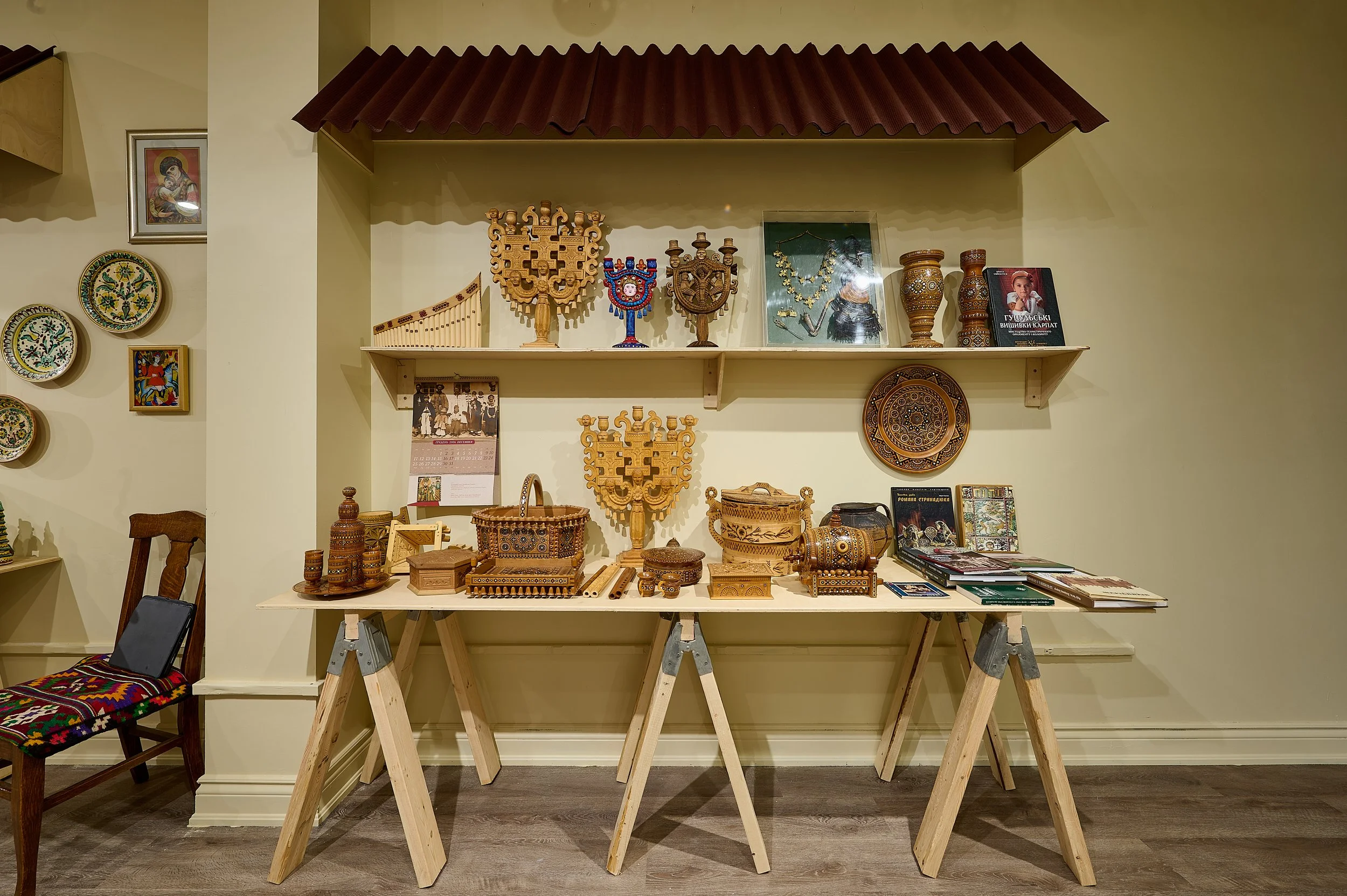
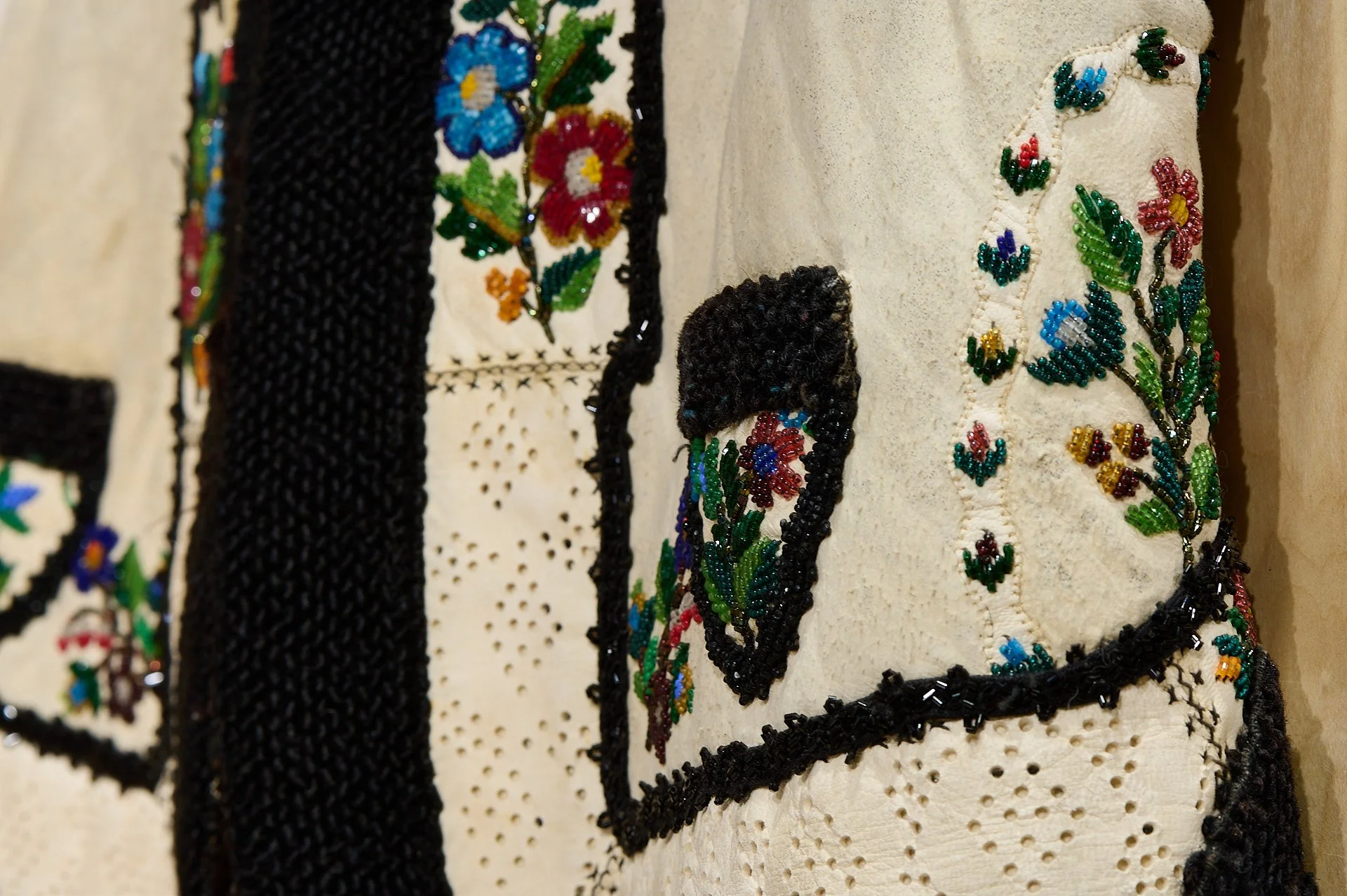
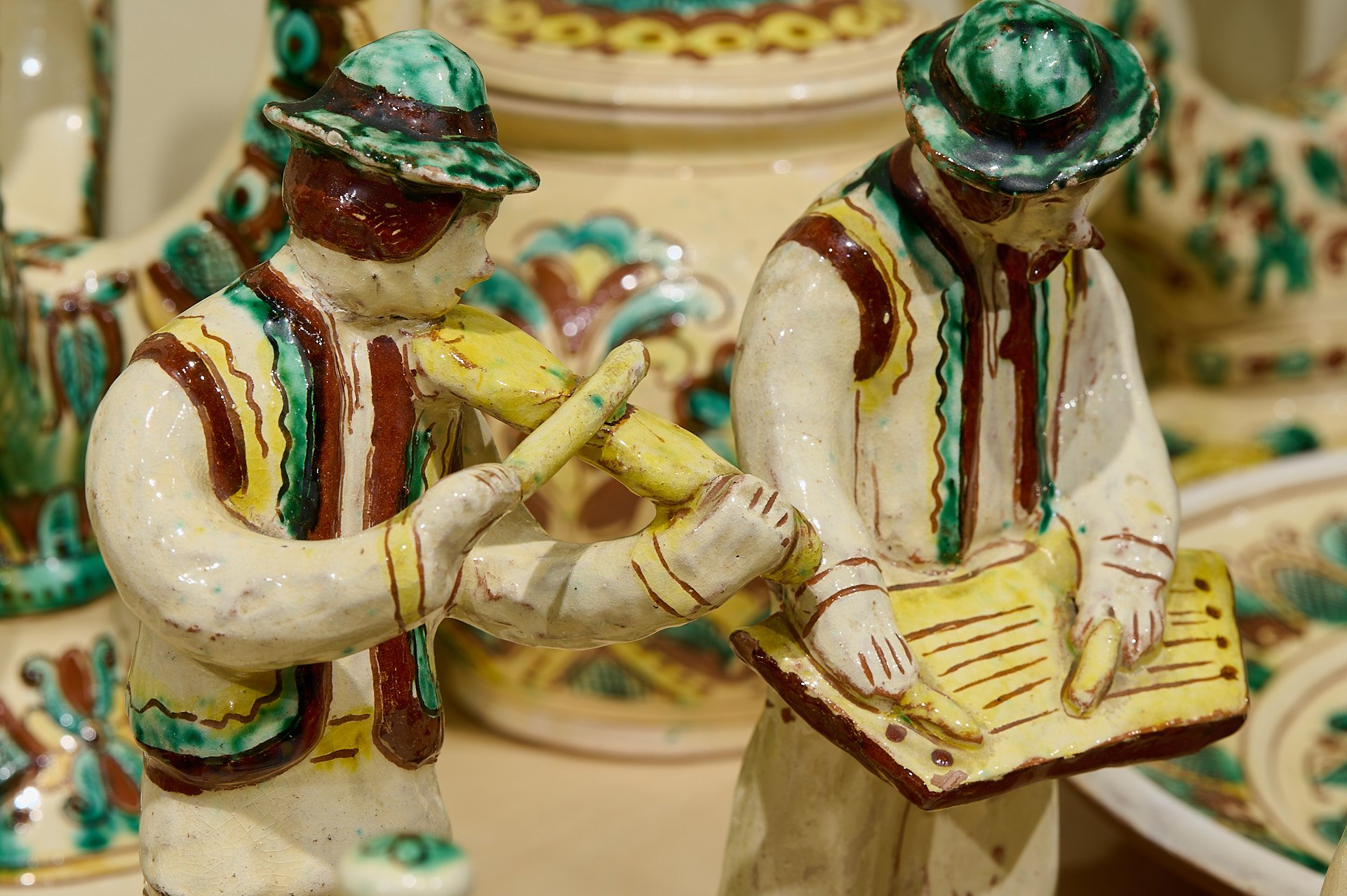
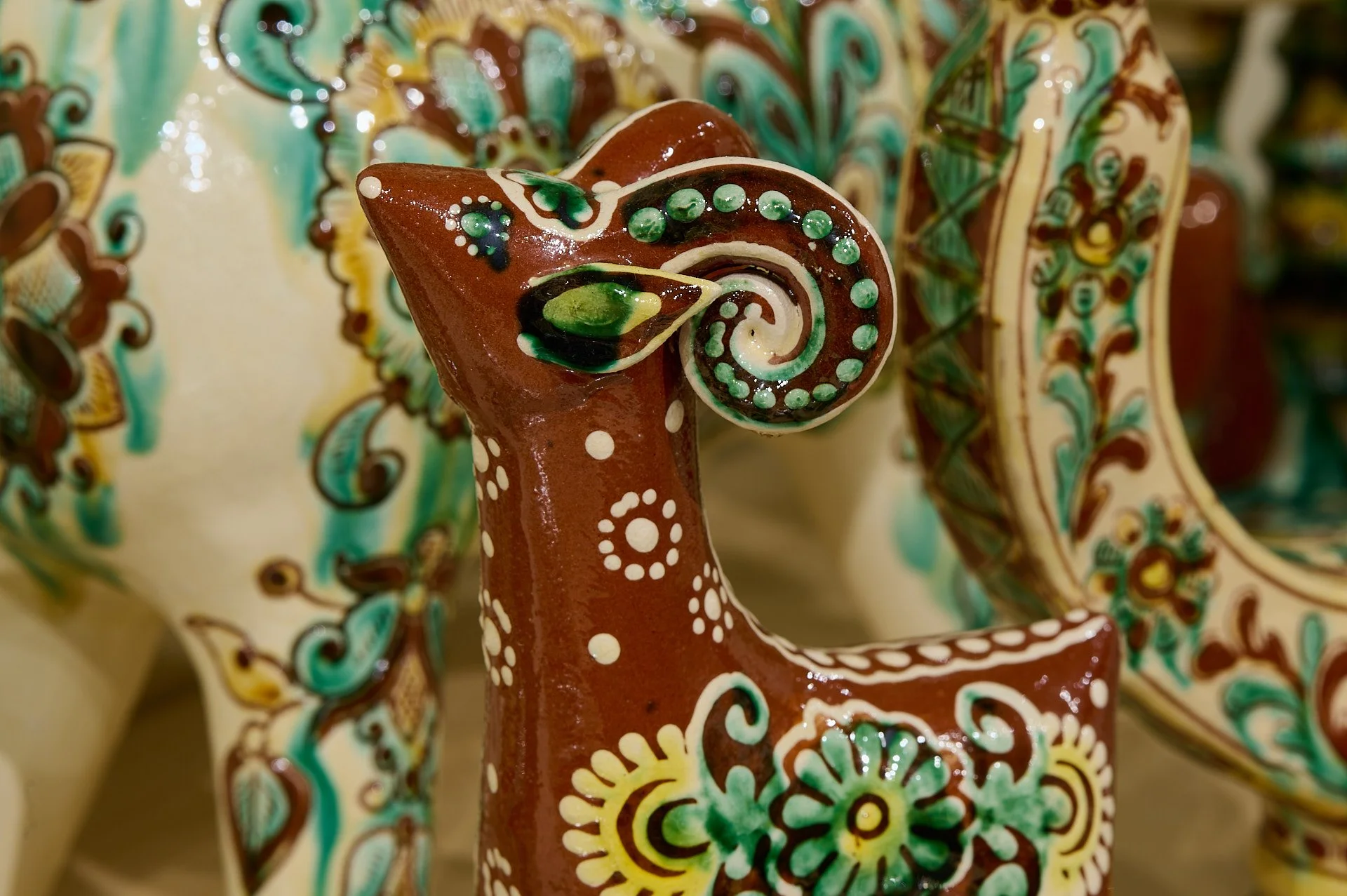
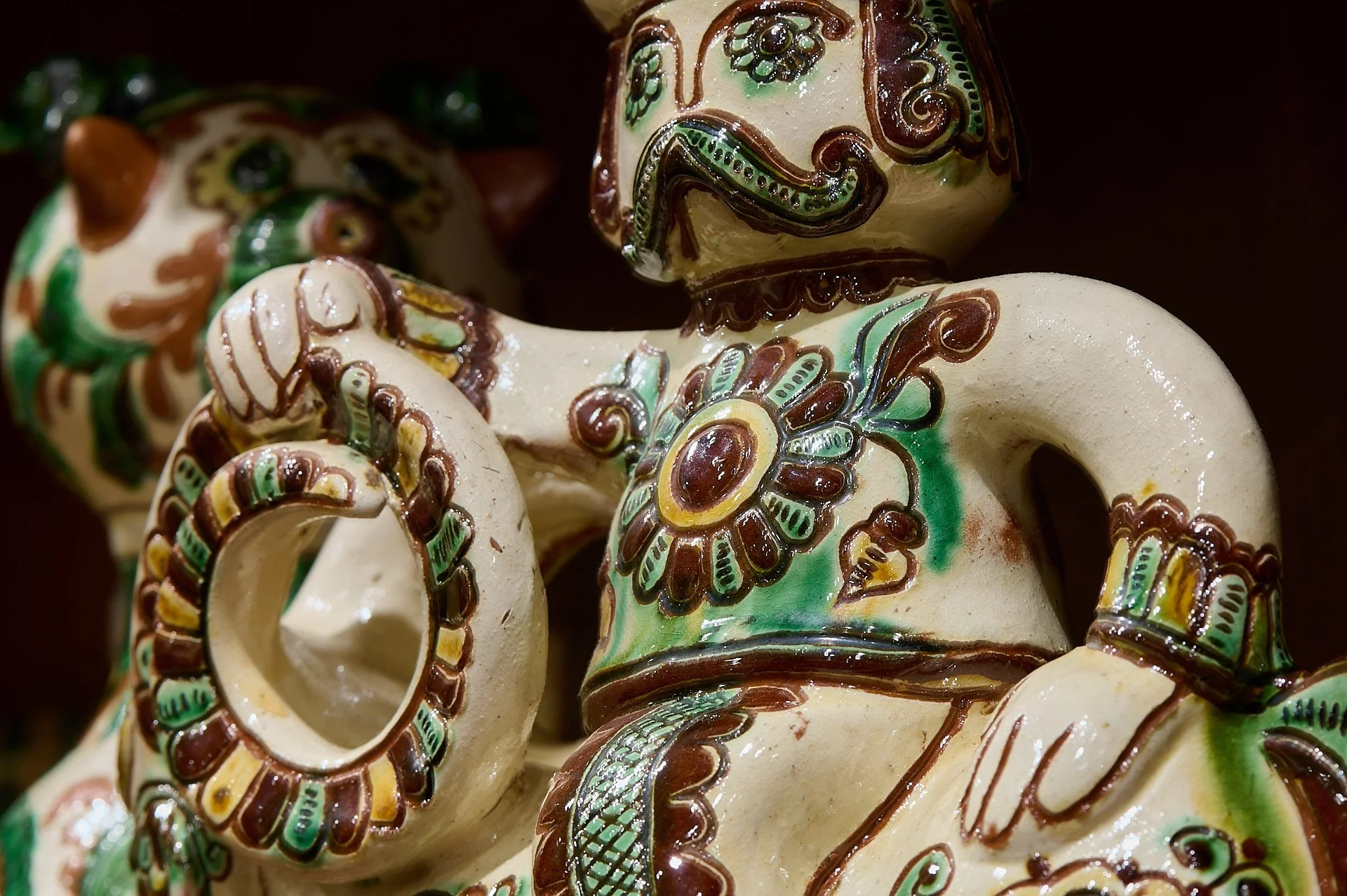
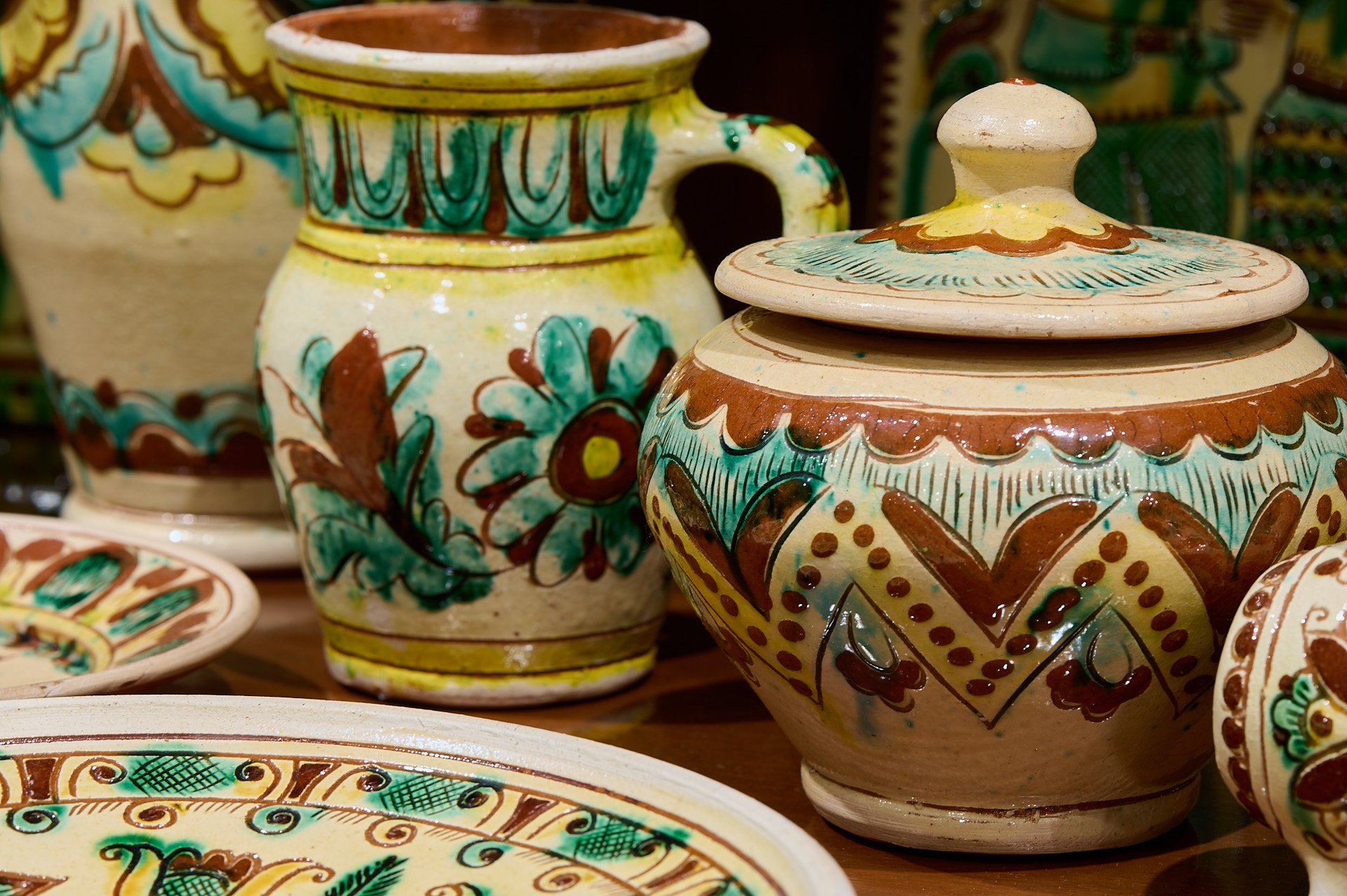
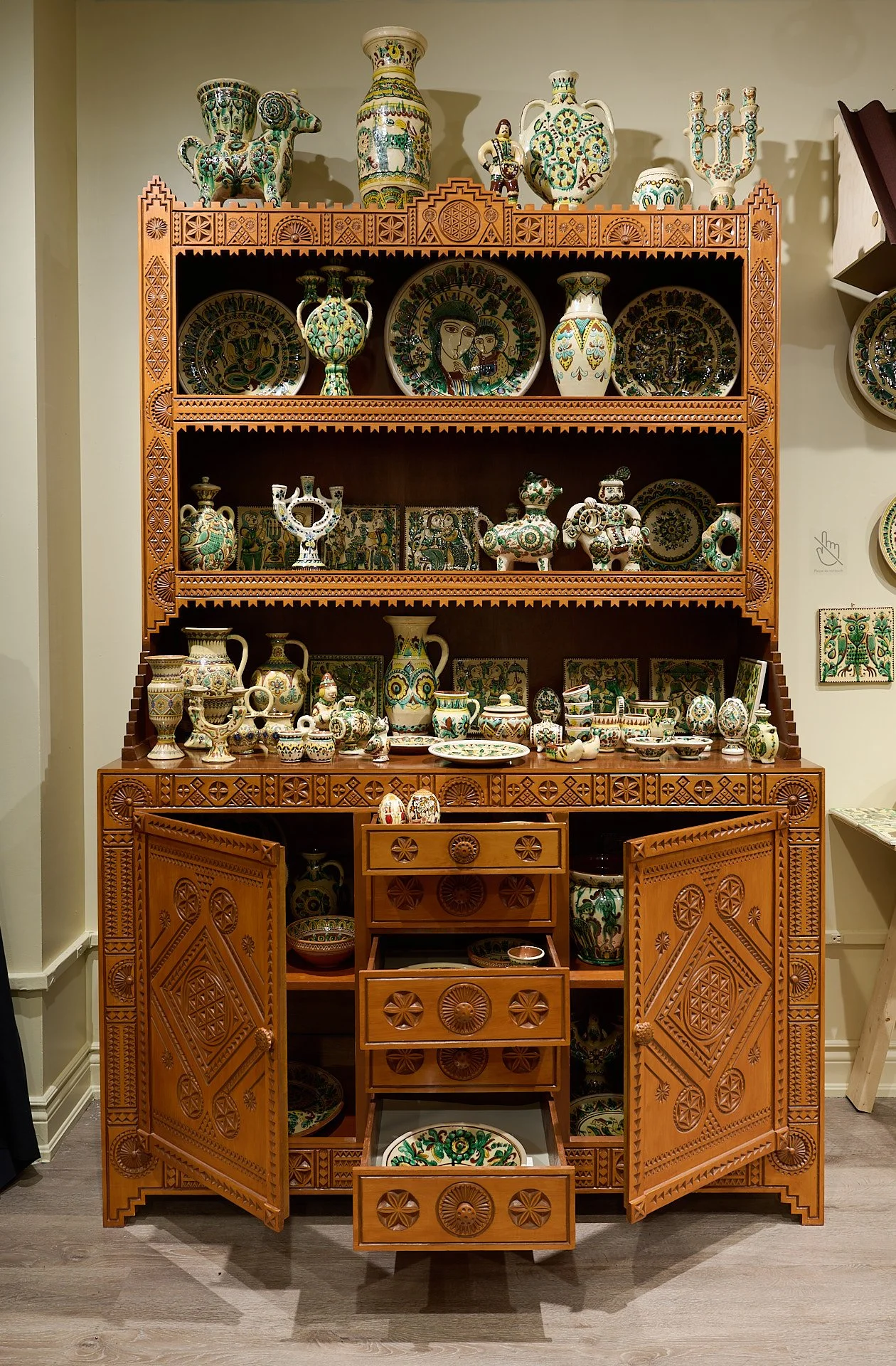
In this exhibition, the gallery space has been transformed to evoke the atmosphere of the Kosiv Bazaar in the heart of Toronto. The recreated market stalls recall early Saturday mornings in Kosiv, when the air carries the scent of fresh produce and warm, newly baked bread, and the marketplace slowly awakens. As in the bazaar itself, the displays suggest the moment when artisans open their stalls and reveal their creations: colourful ceramics, intricately carved and inlaid wooden pieces, finely worked metalware, richly woven kylyms, and embroidered textiles that shimmer with memory and skill. Among these arrangements, the exhibition also hints at the quiet thrill of discovery – the sense that, at any moment, a treasured antique might emerge, lovingly preserved across generations. Through this immersive design, the space captures both the visual richness and living spirit of the Kosiv Bazaar.
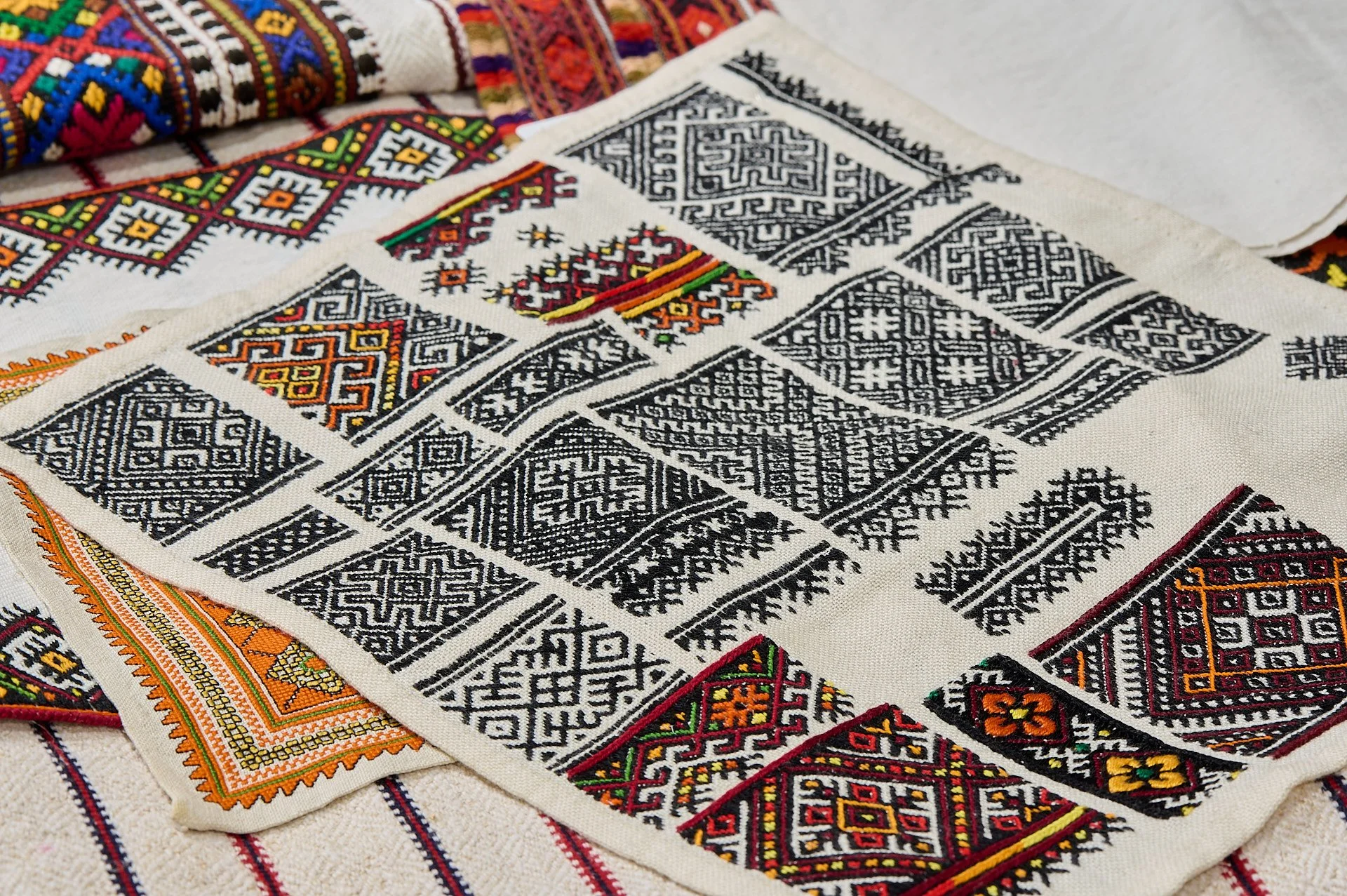
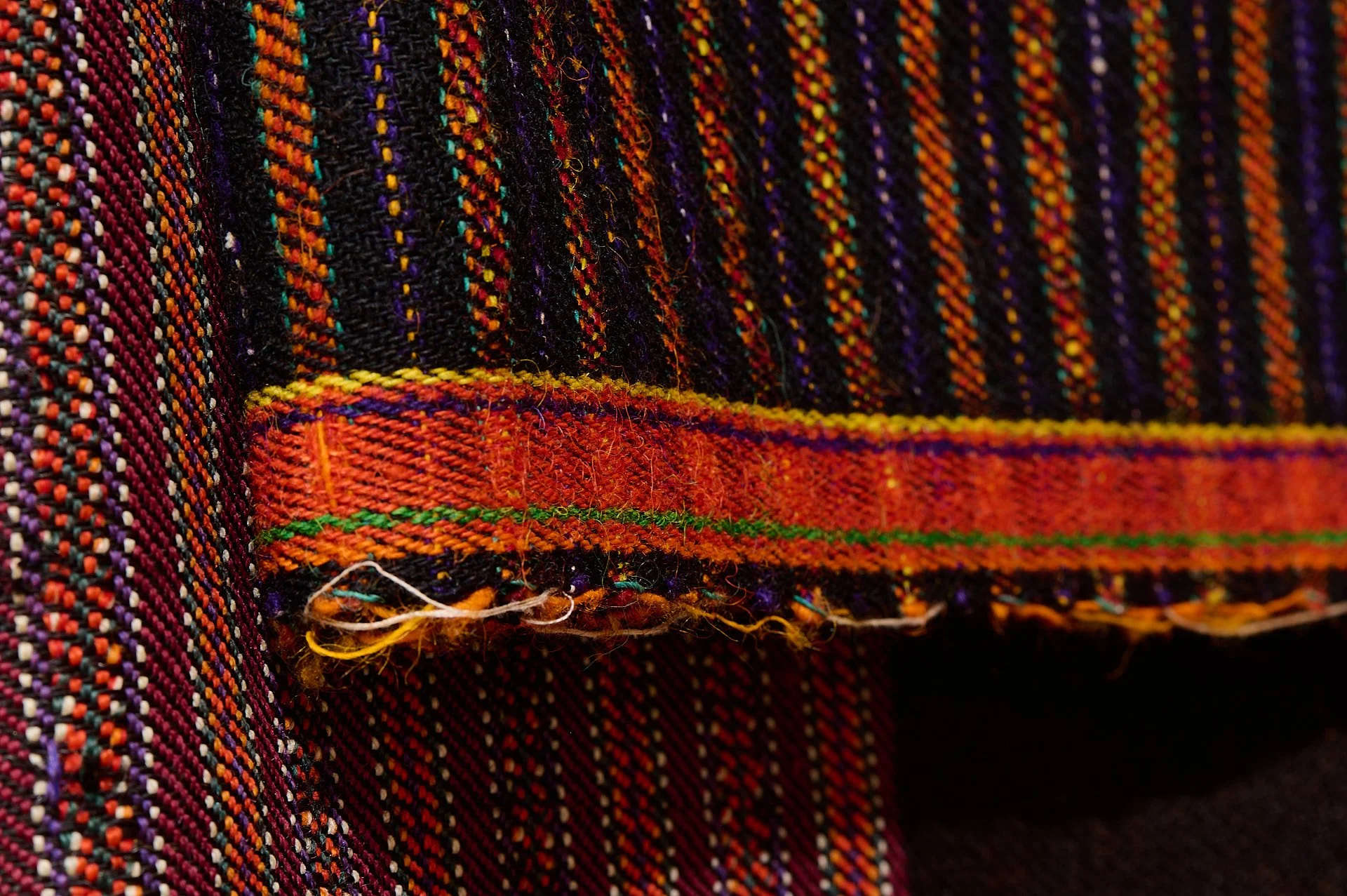
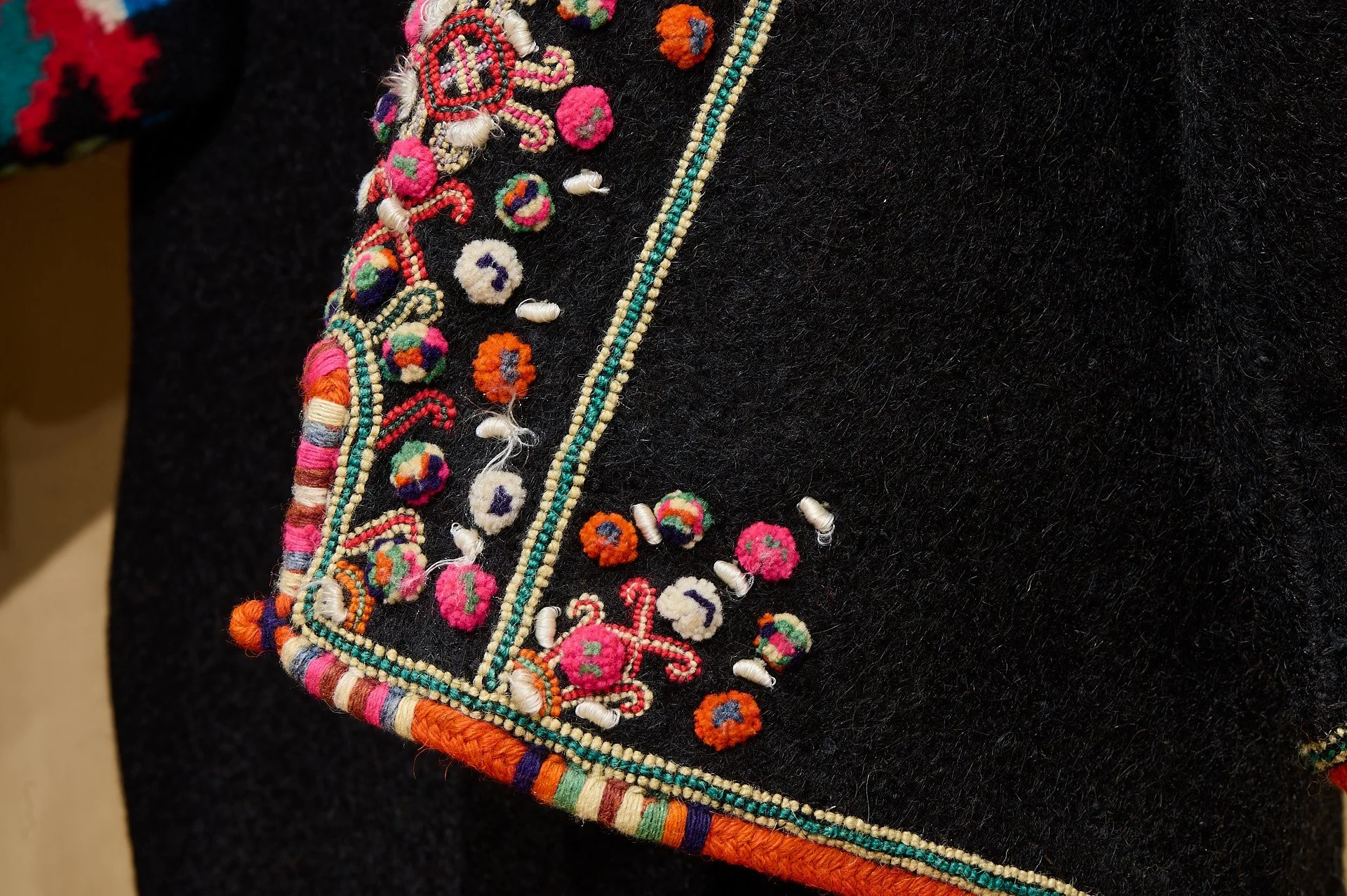
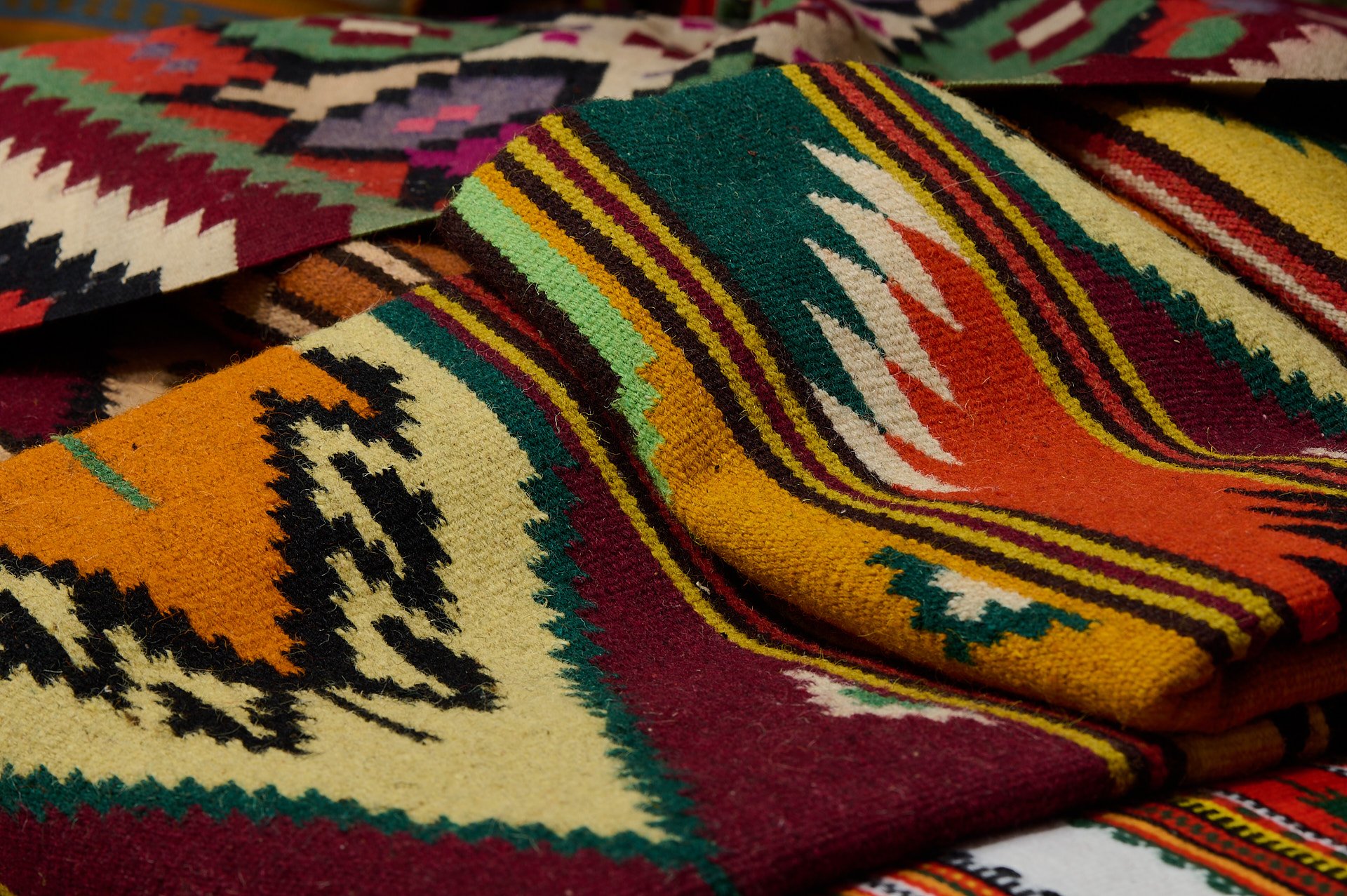

The Picture gallery
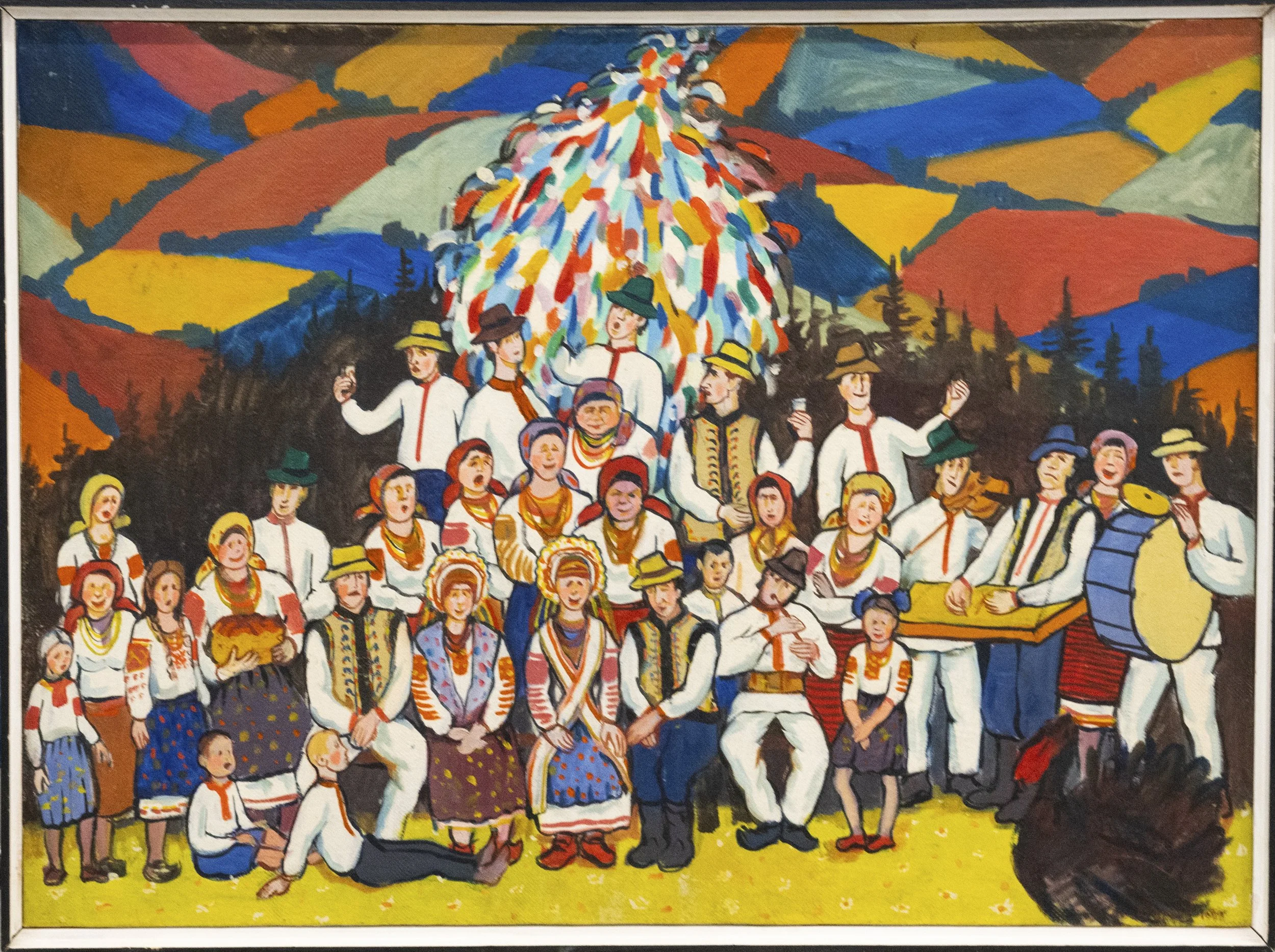
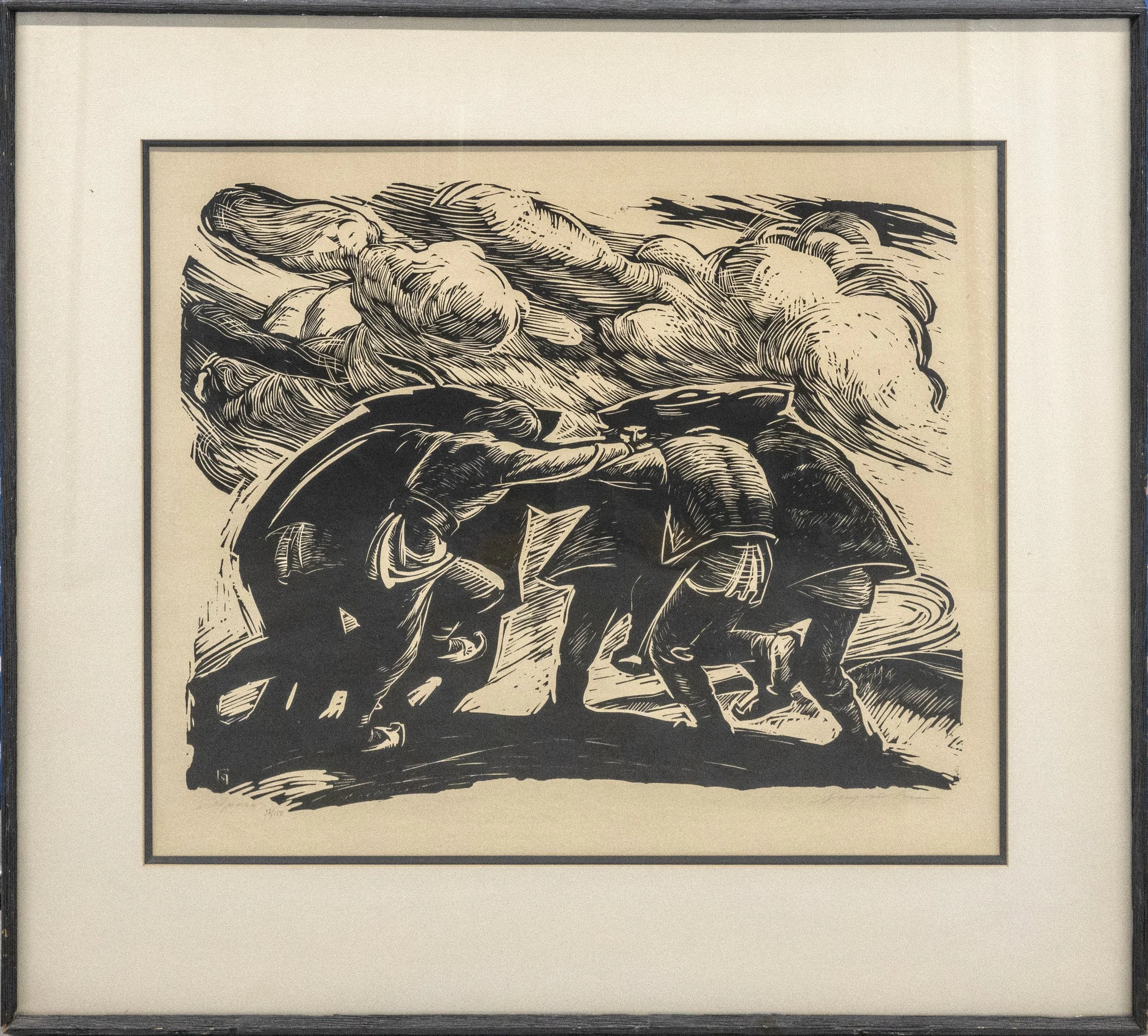
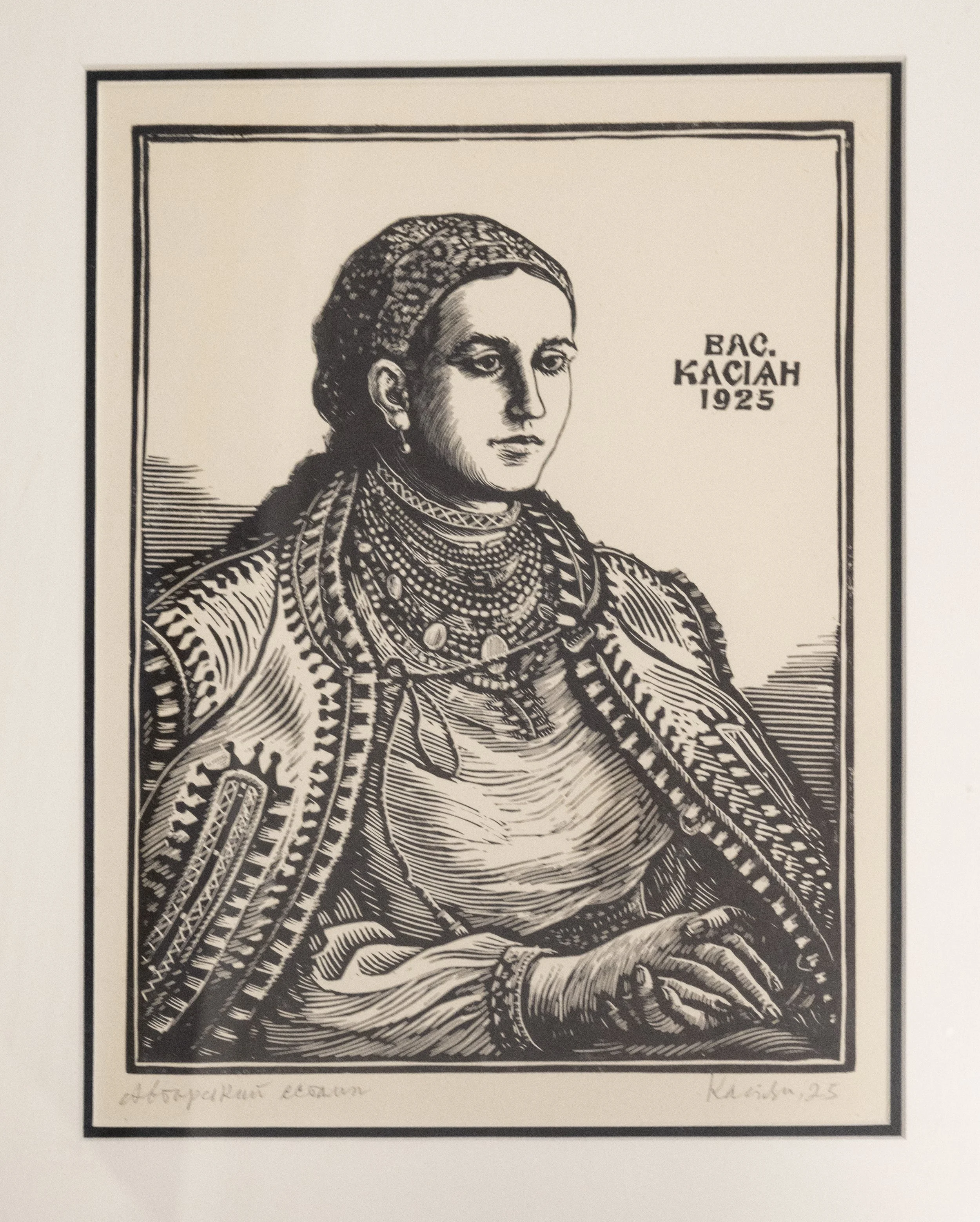
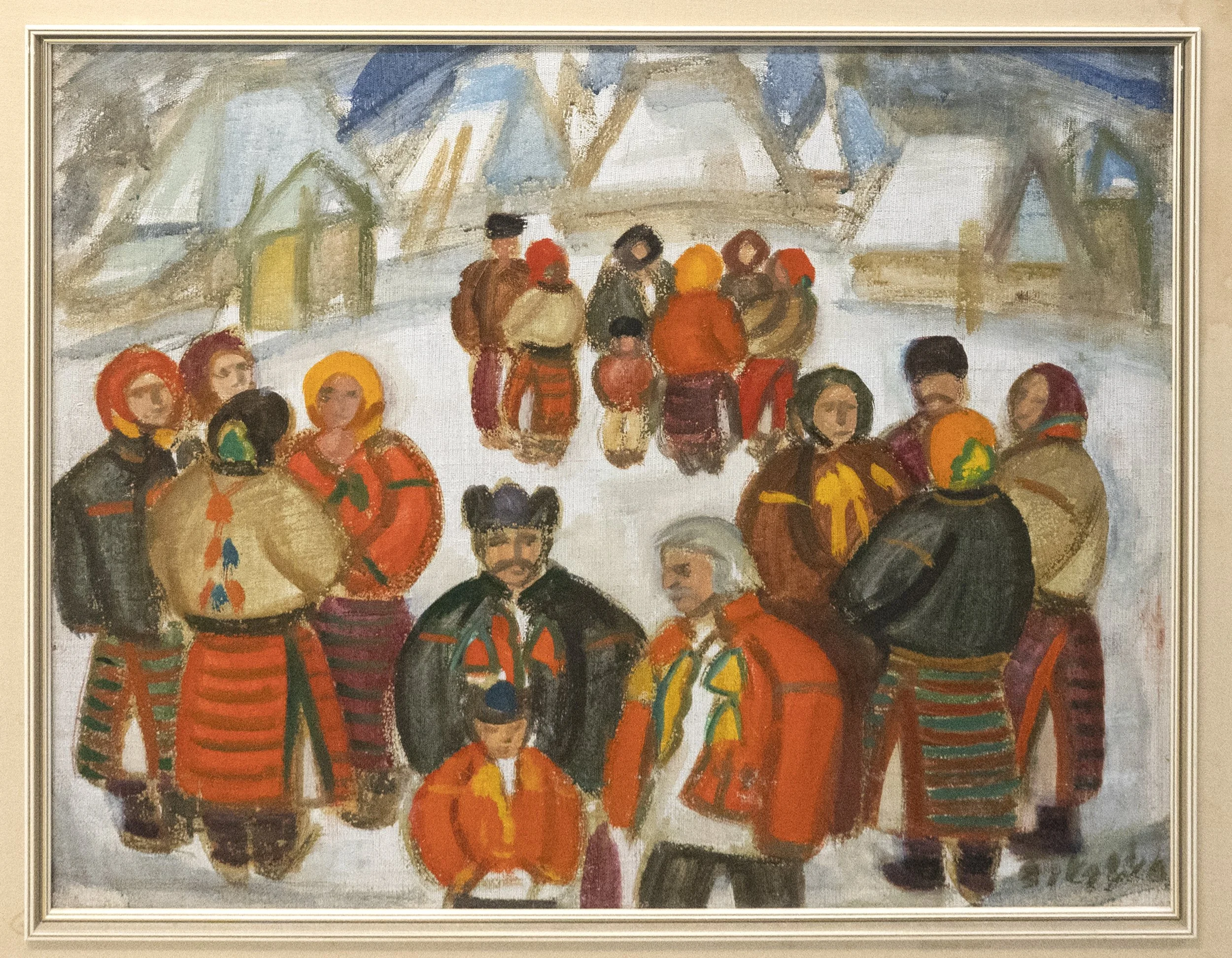
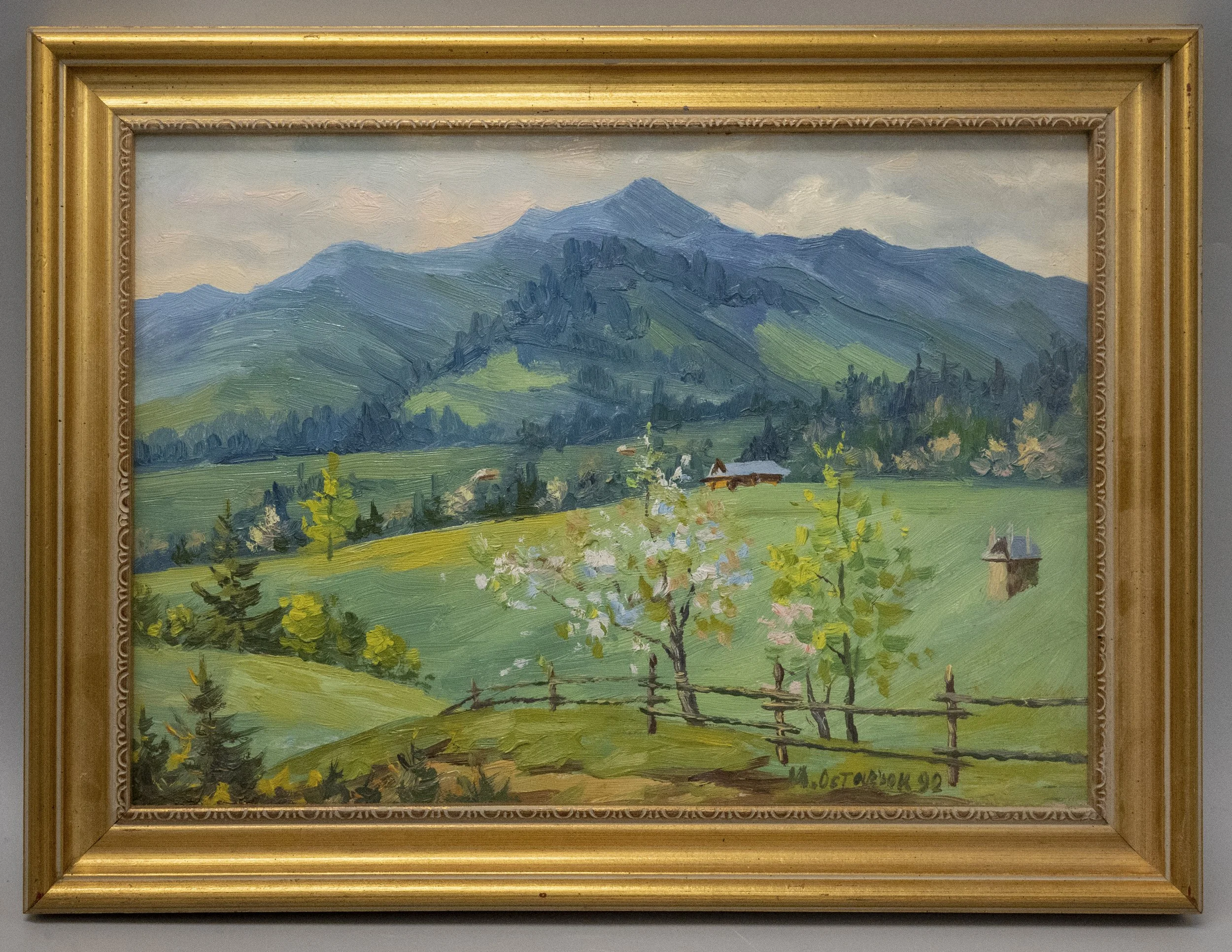
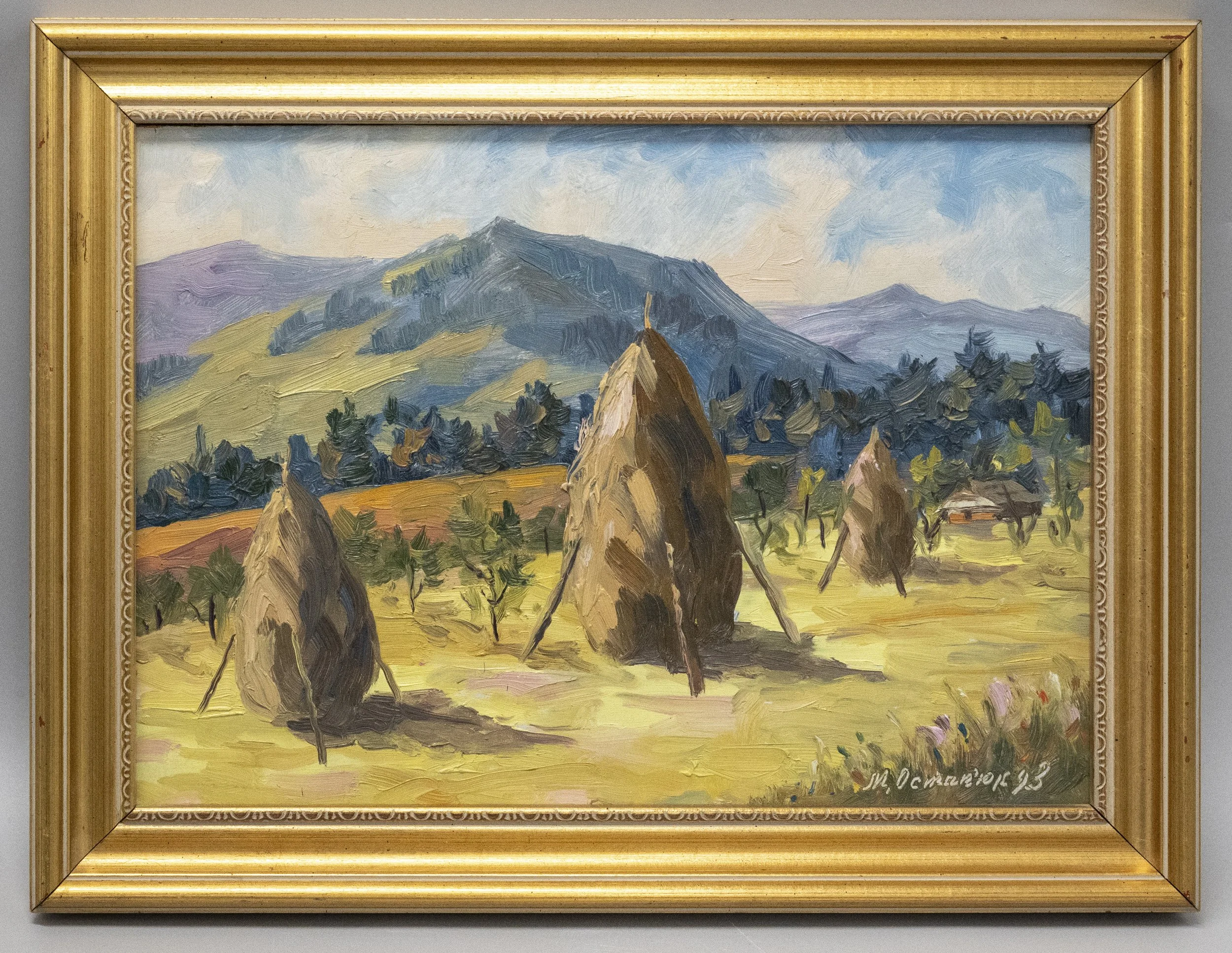
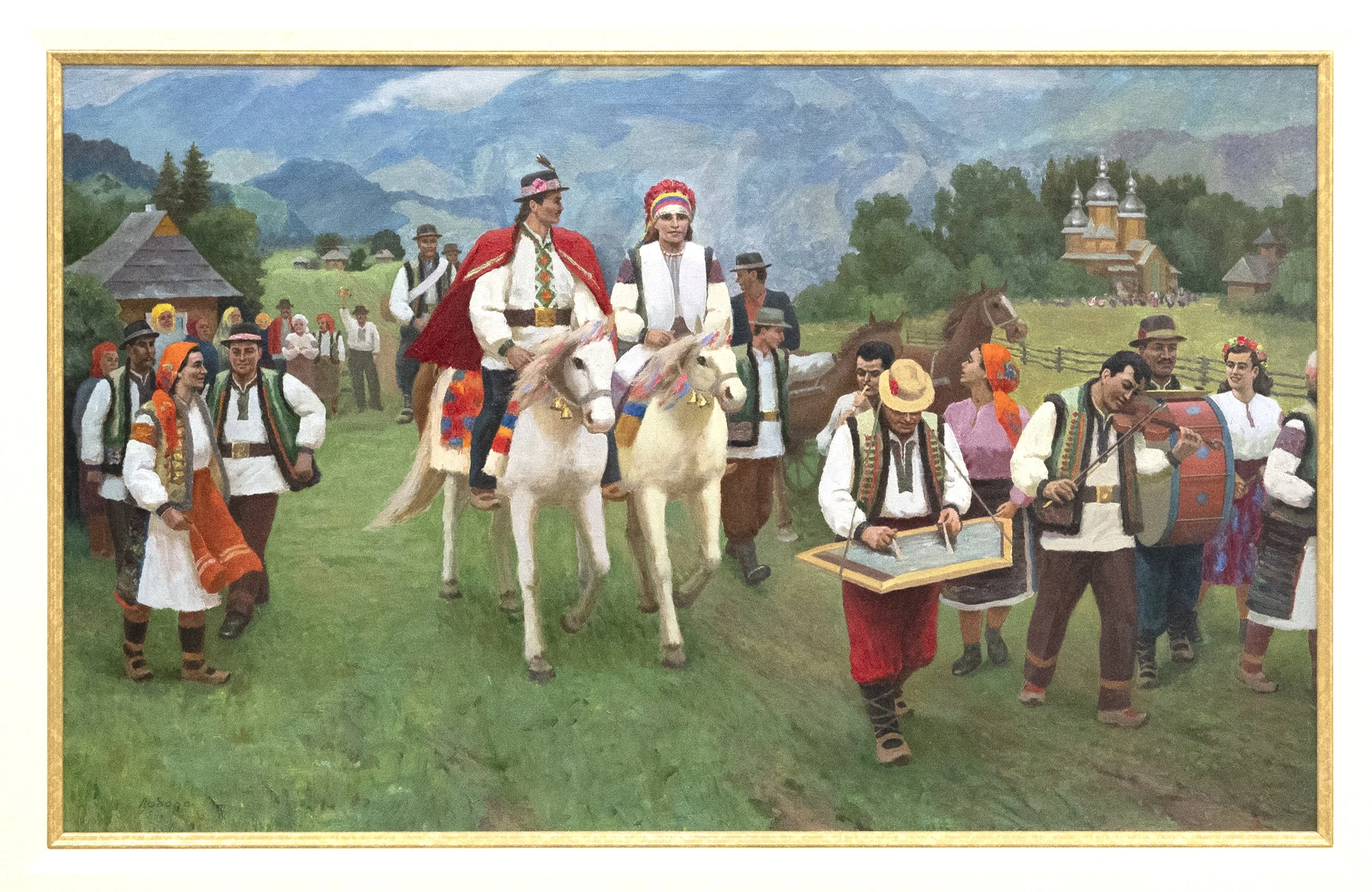
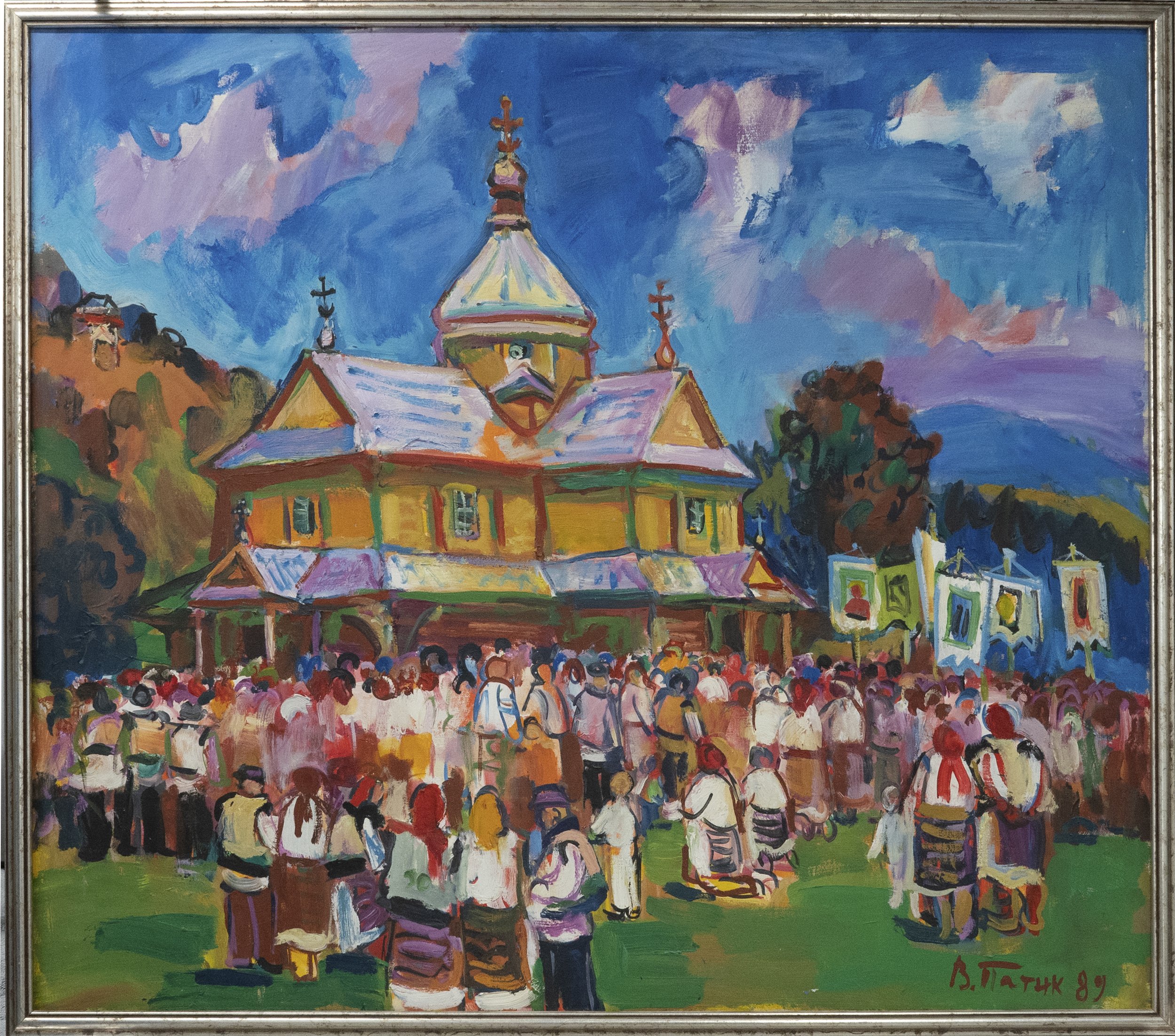
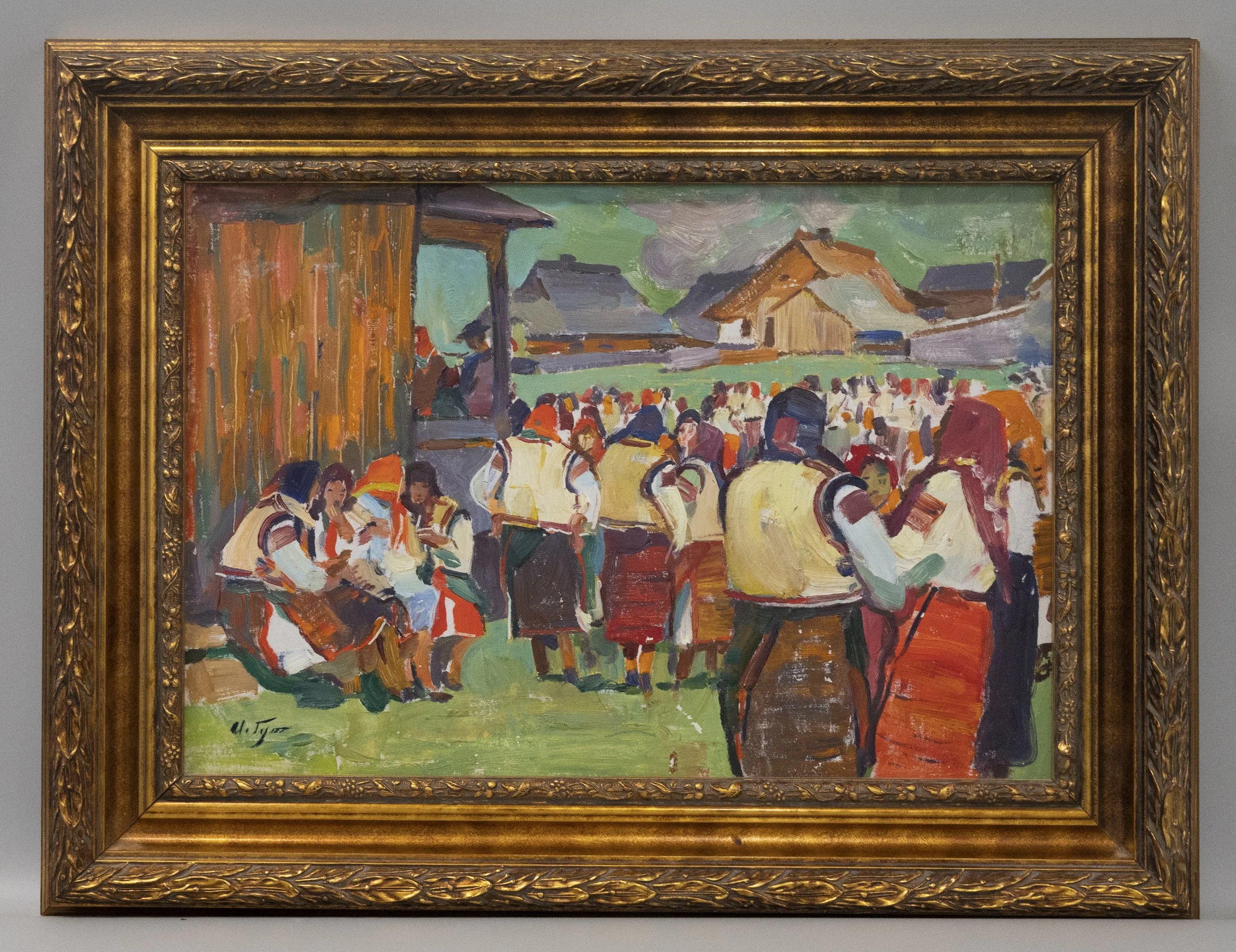
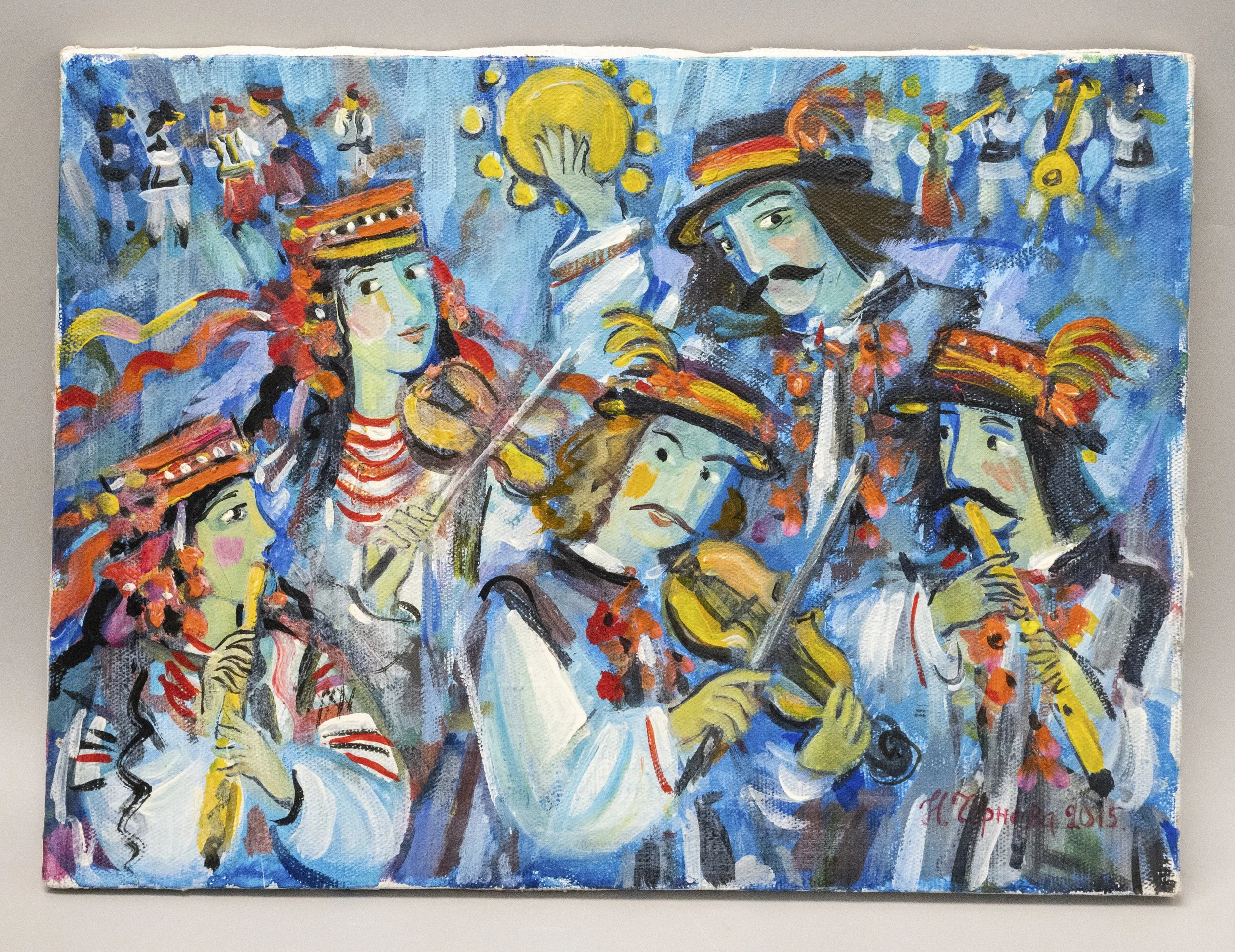
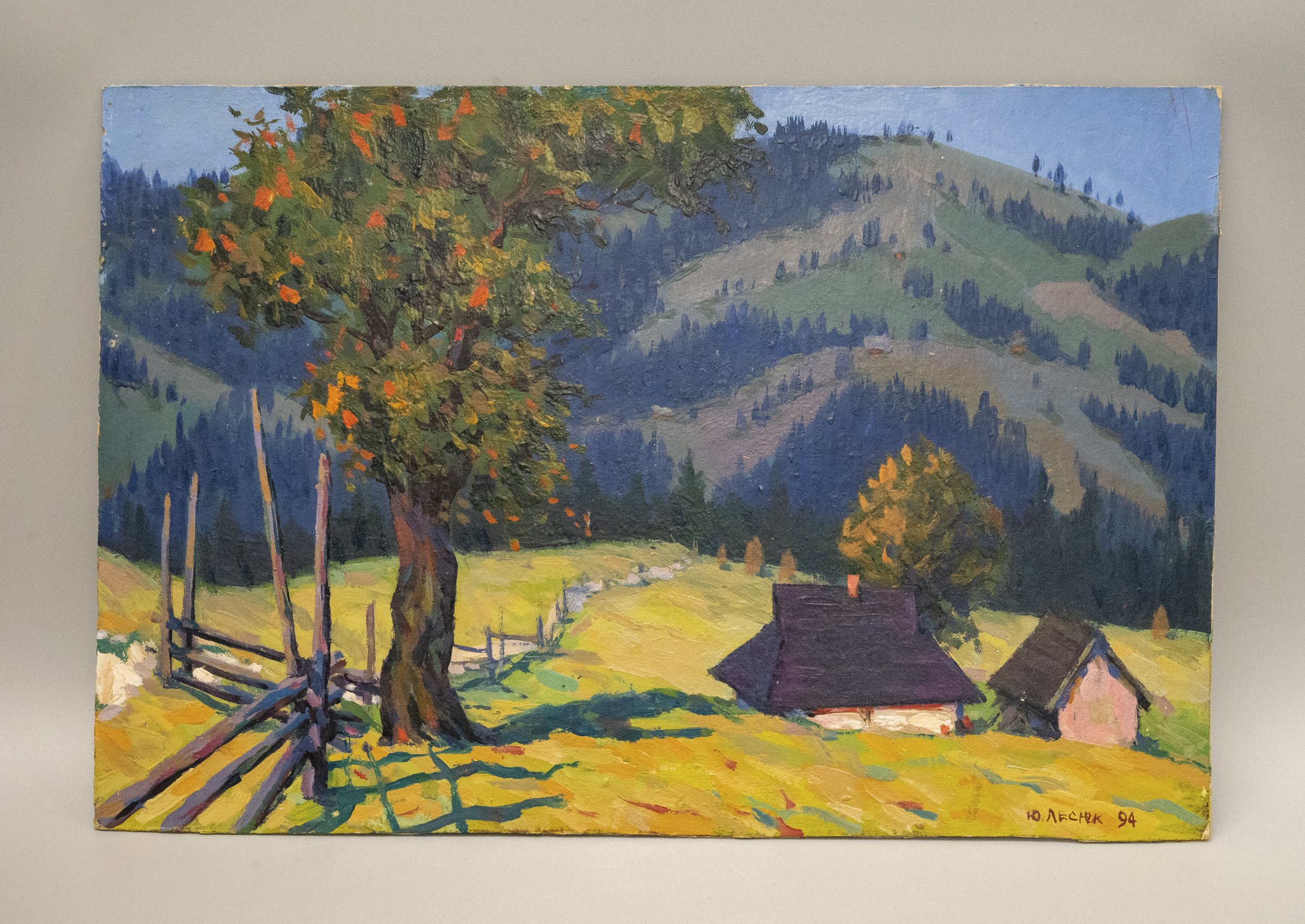
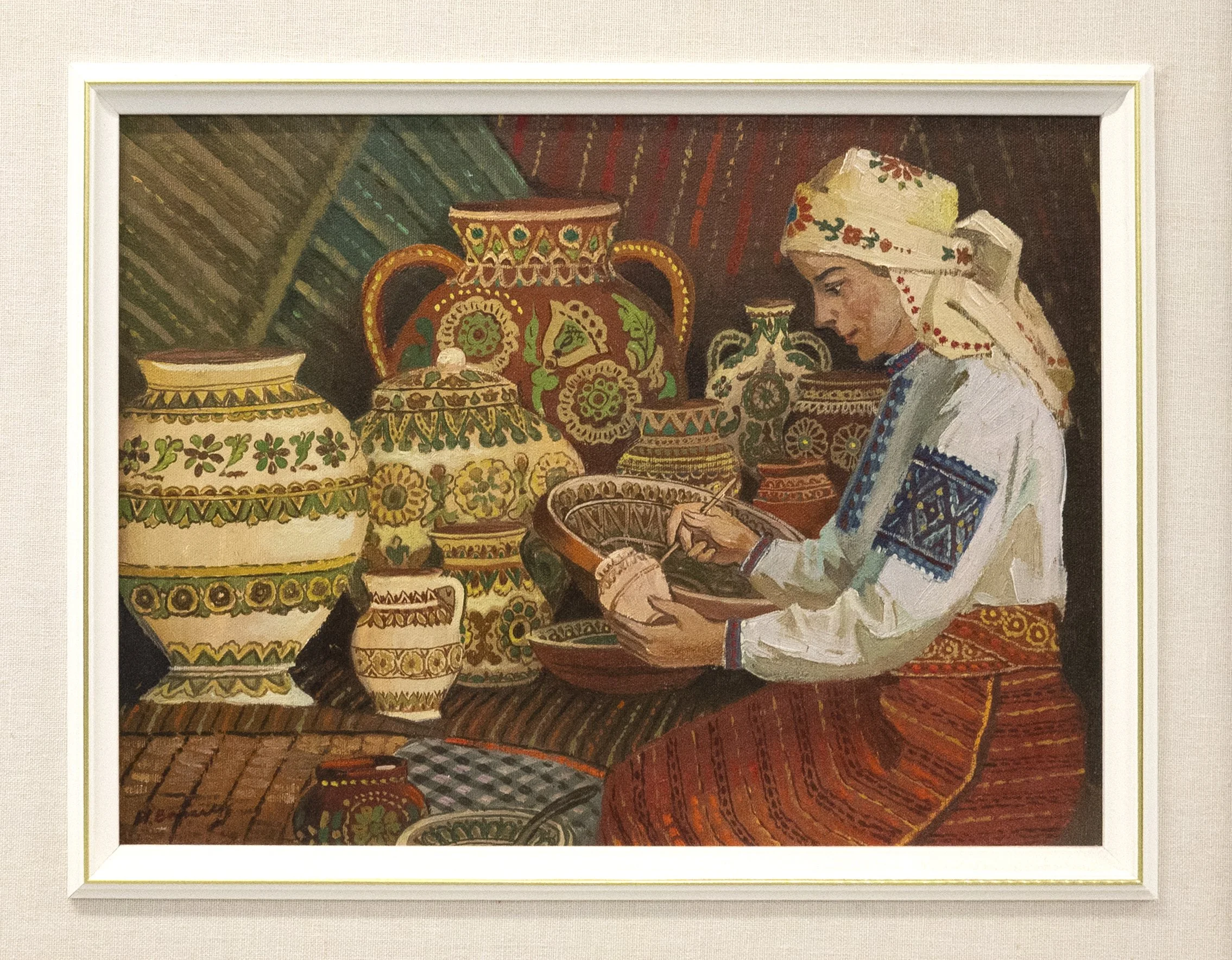
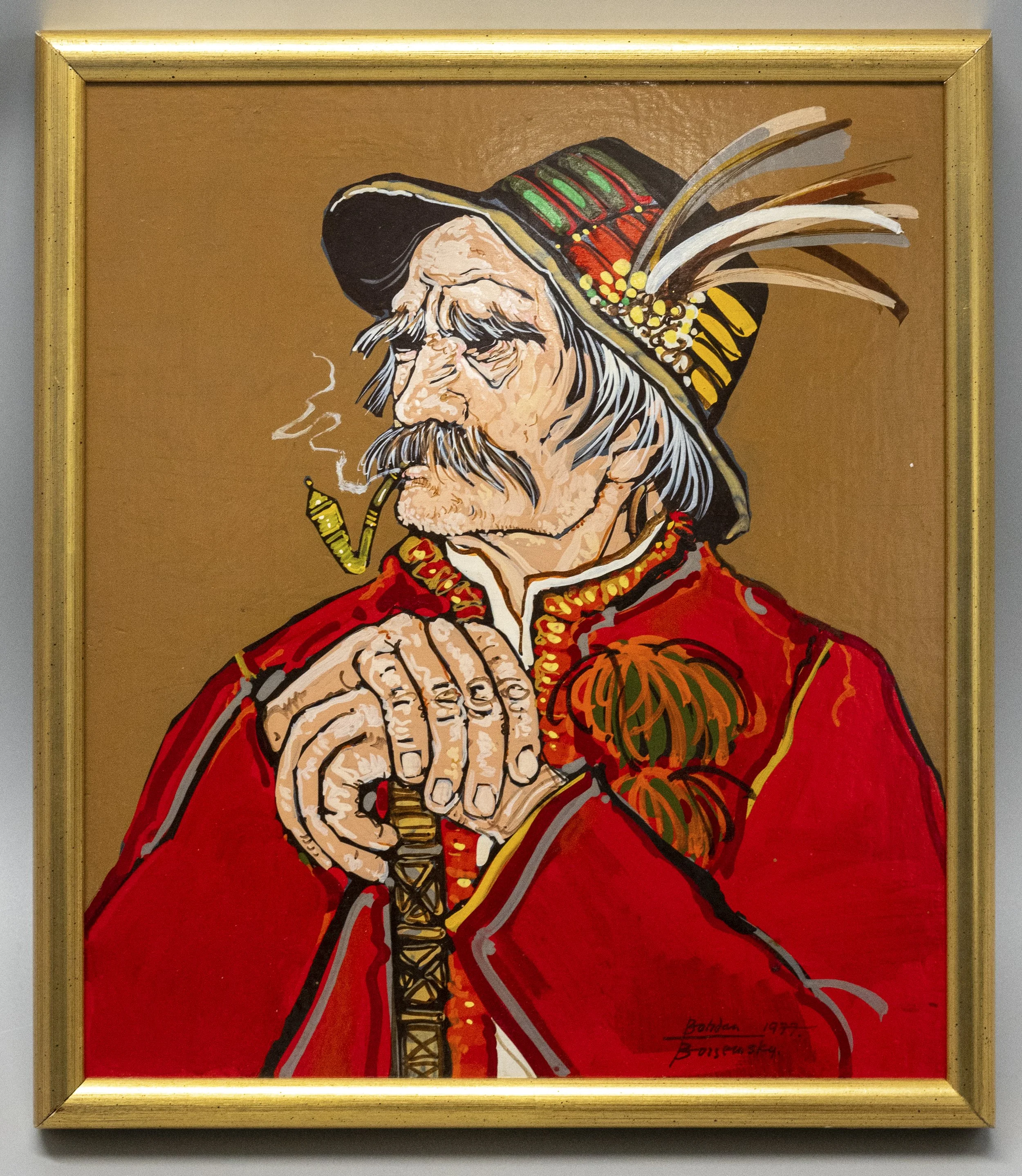
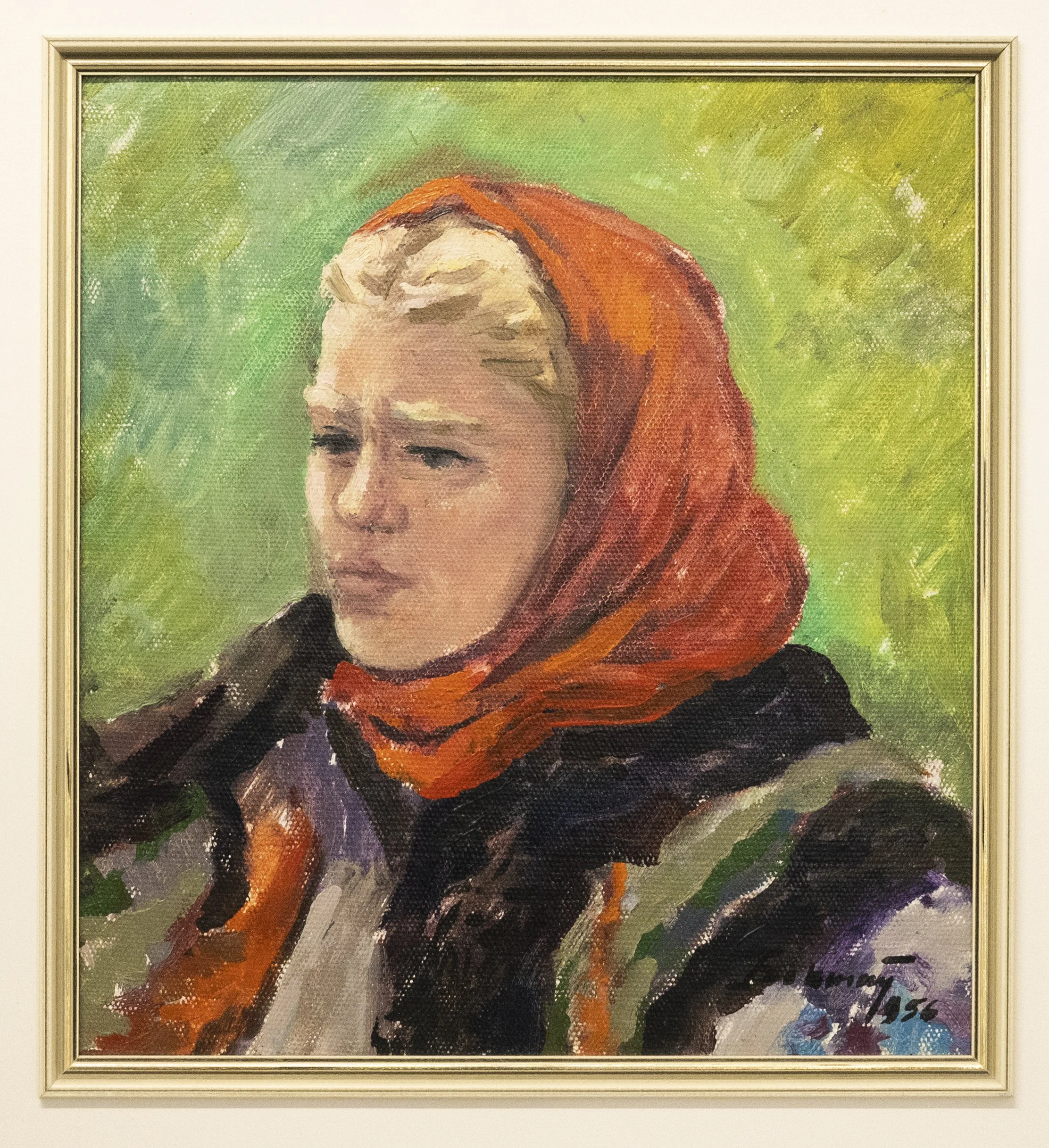
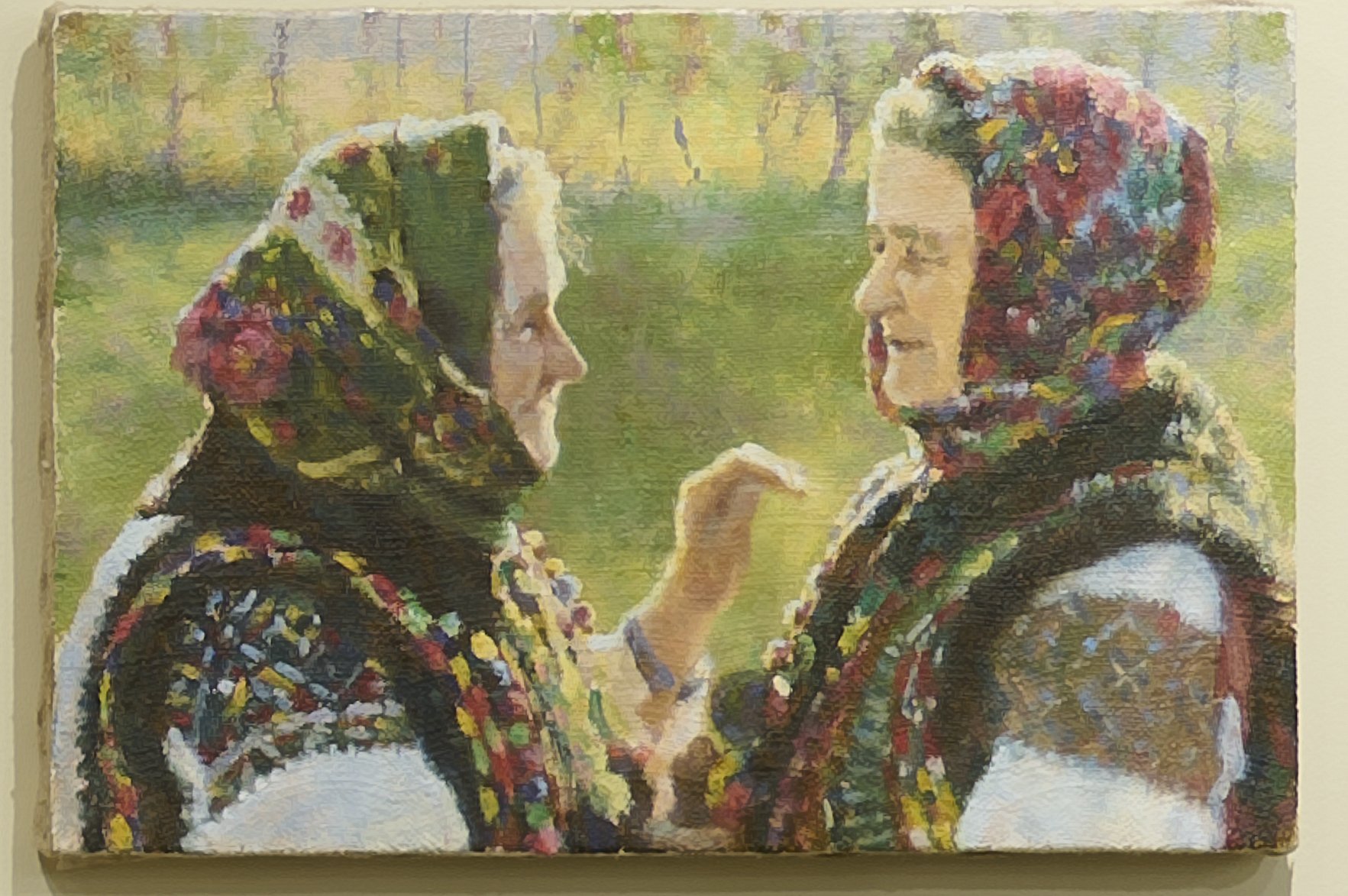
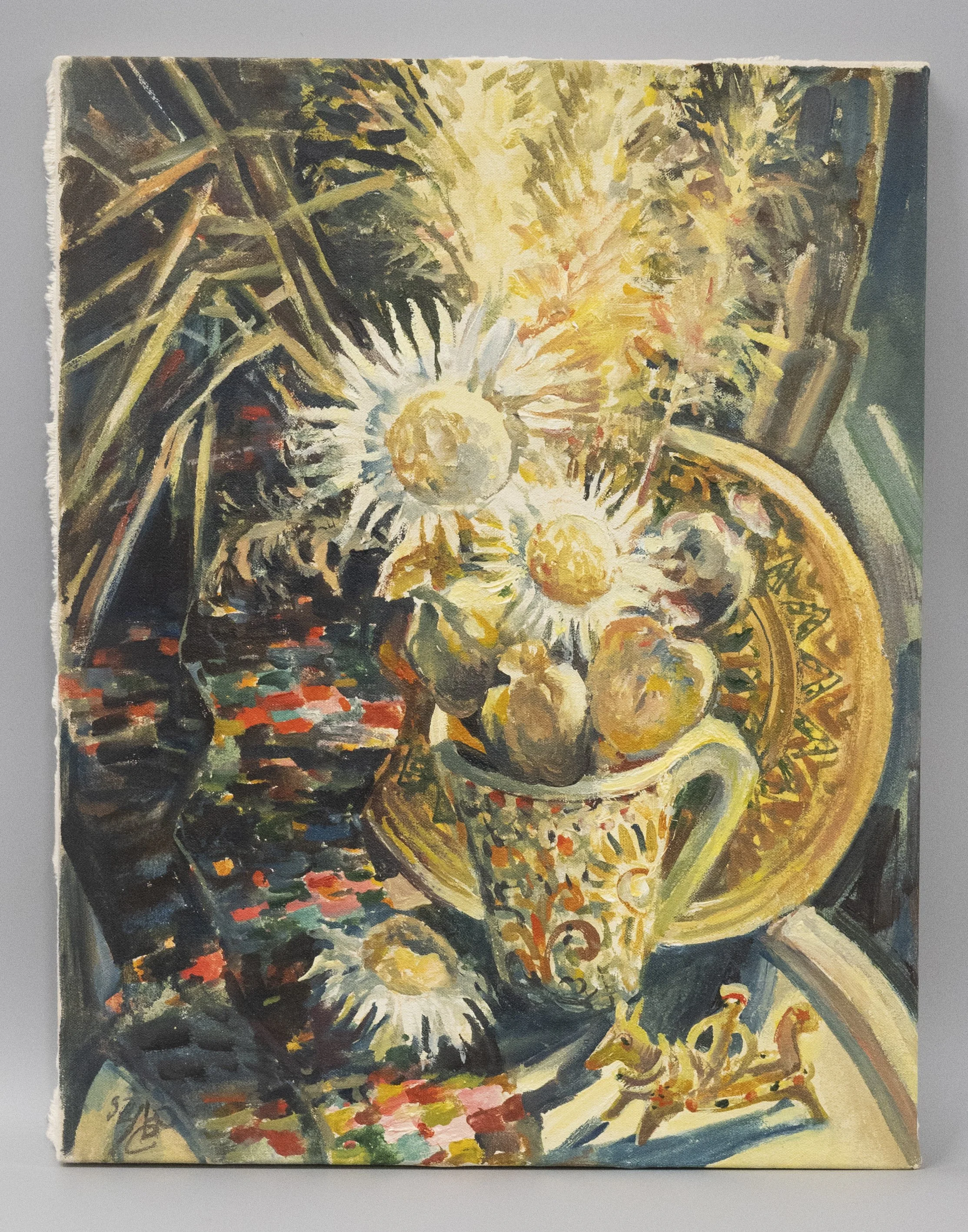
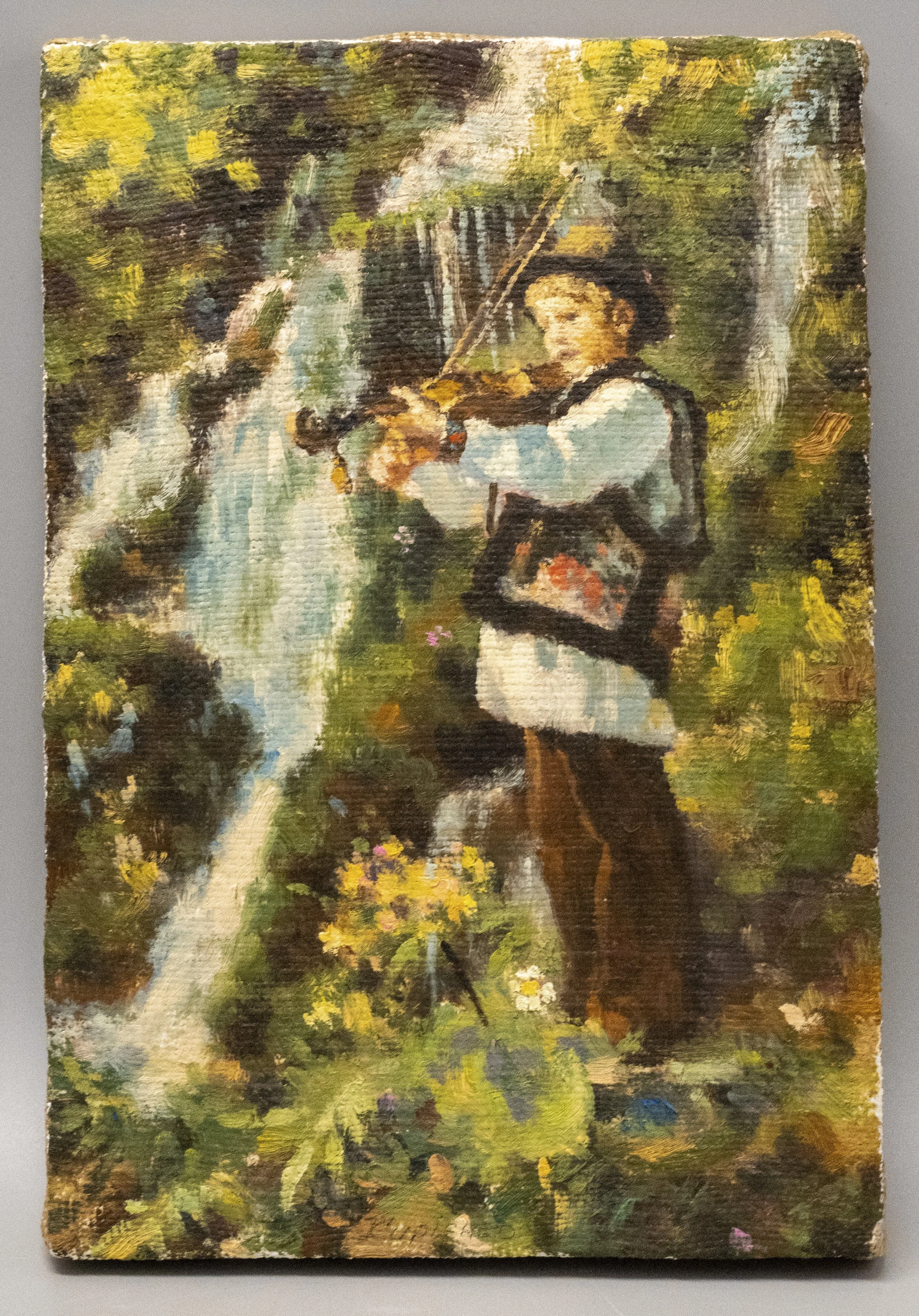
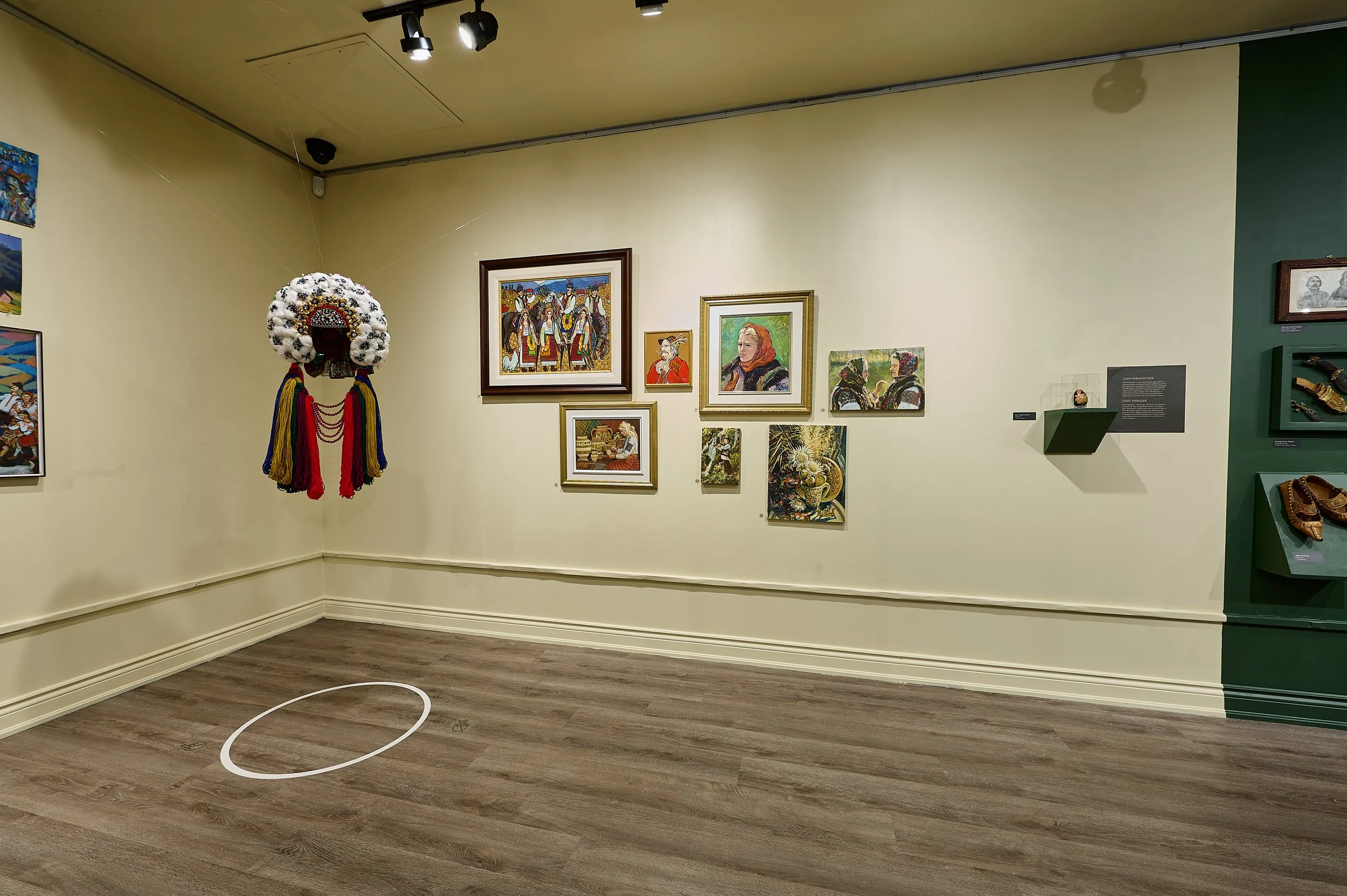
The second part of the exhibition – the Gallery – offers a markedly different experience from the Bazaar. In this space, visitors are invited to reflect on a selection of Hutsul-themed artworks from the Leonard Krawchuk Collection. These twenty works capture the essence of community life in the Carpathian Mountains: large in scale and vividly coloured, they depict weddings, religious celebrations, and other significant moments. The works on view include oil and acrylic paintings on canvas, burlap, and wood, as well as linocuts, highlighting the breadth of artistic media through which these stories are expressed.
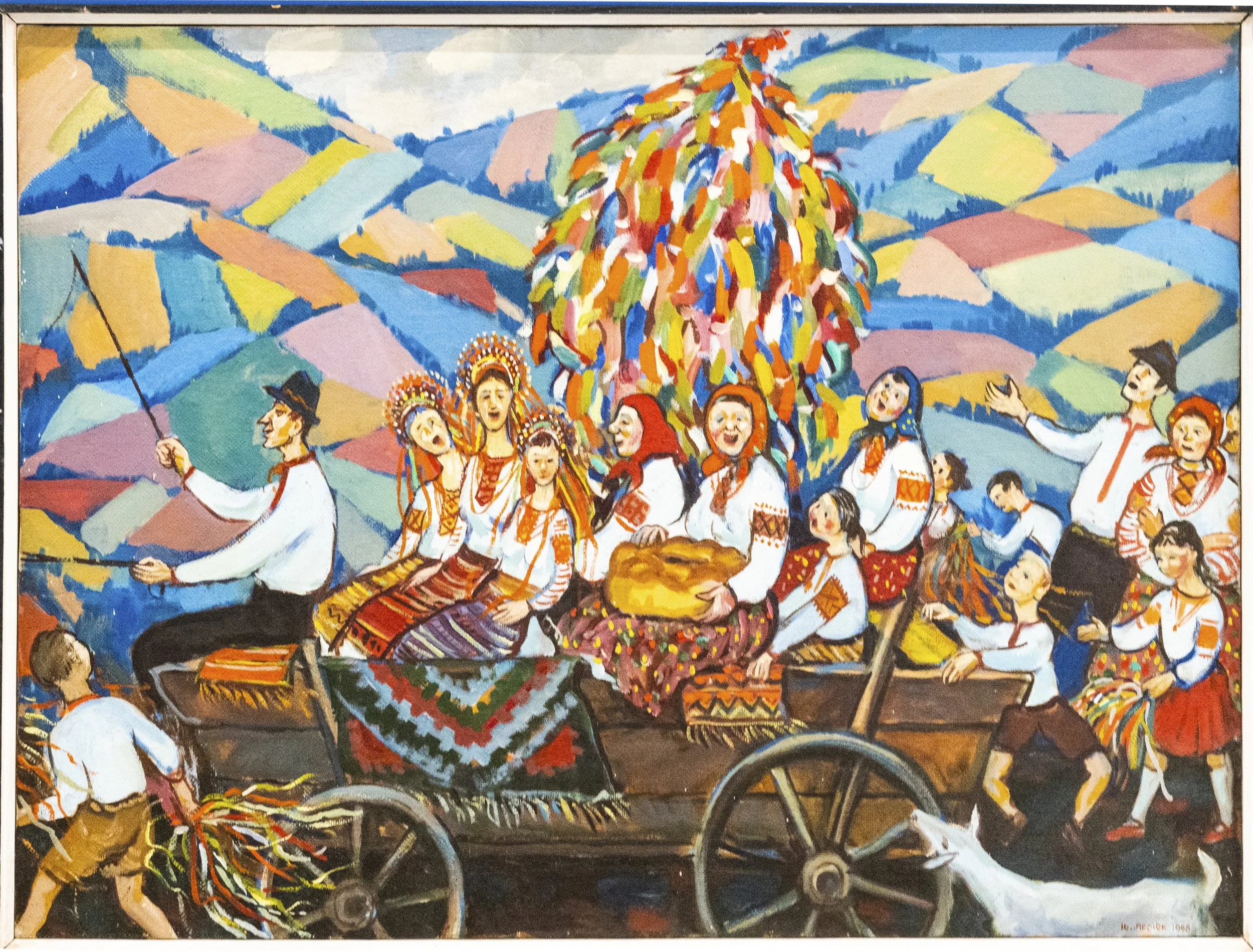
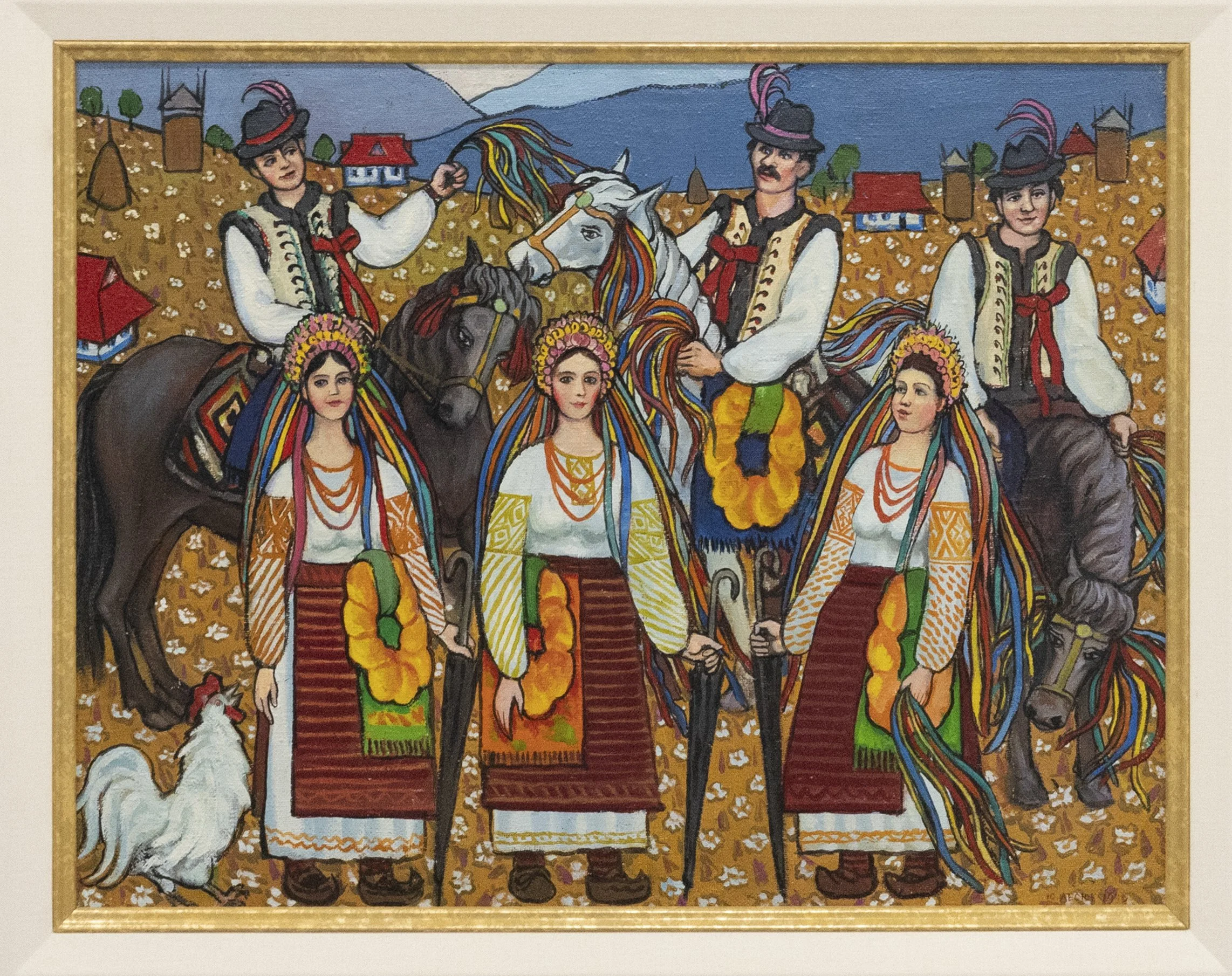

WEDDING WREATH
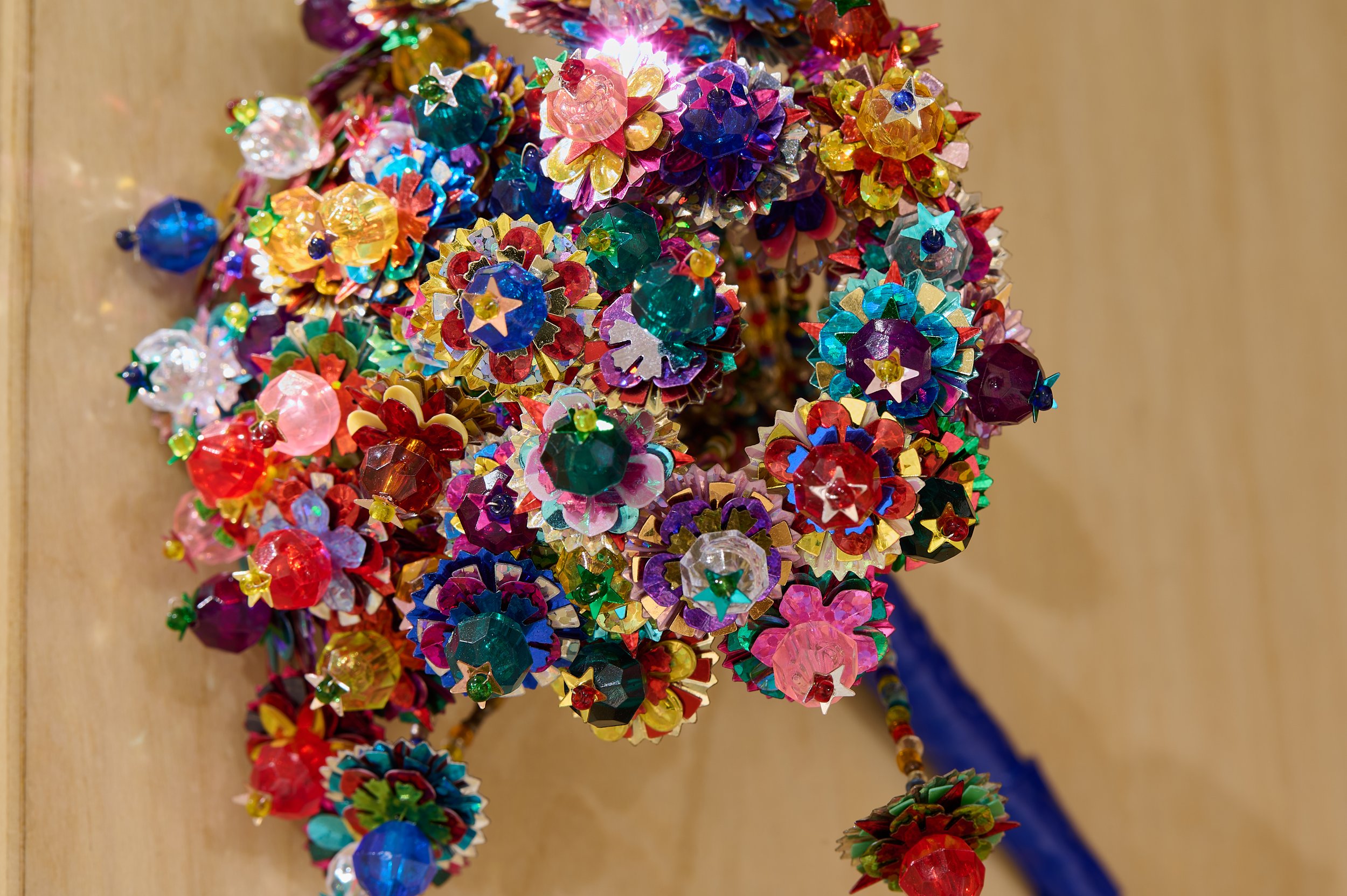
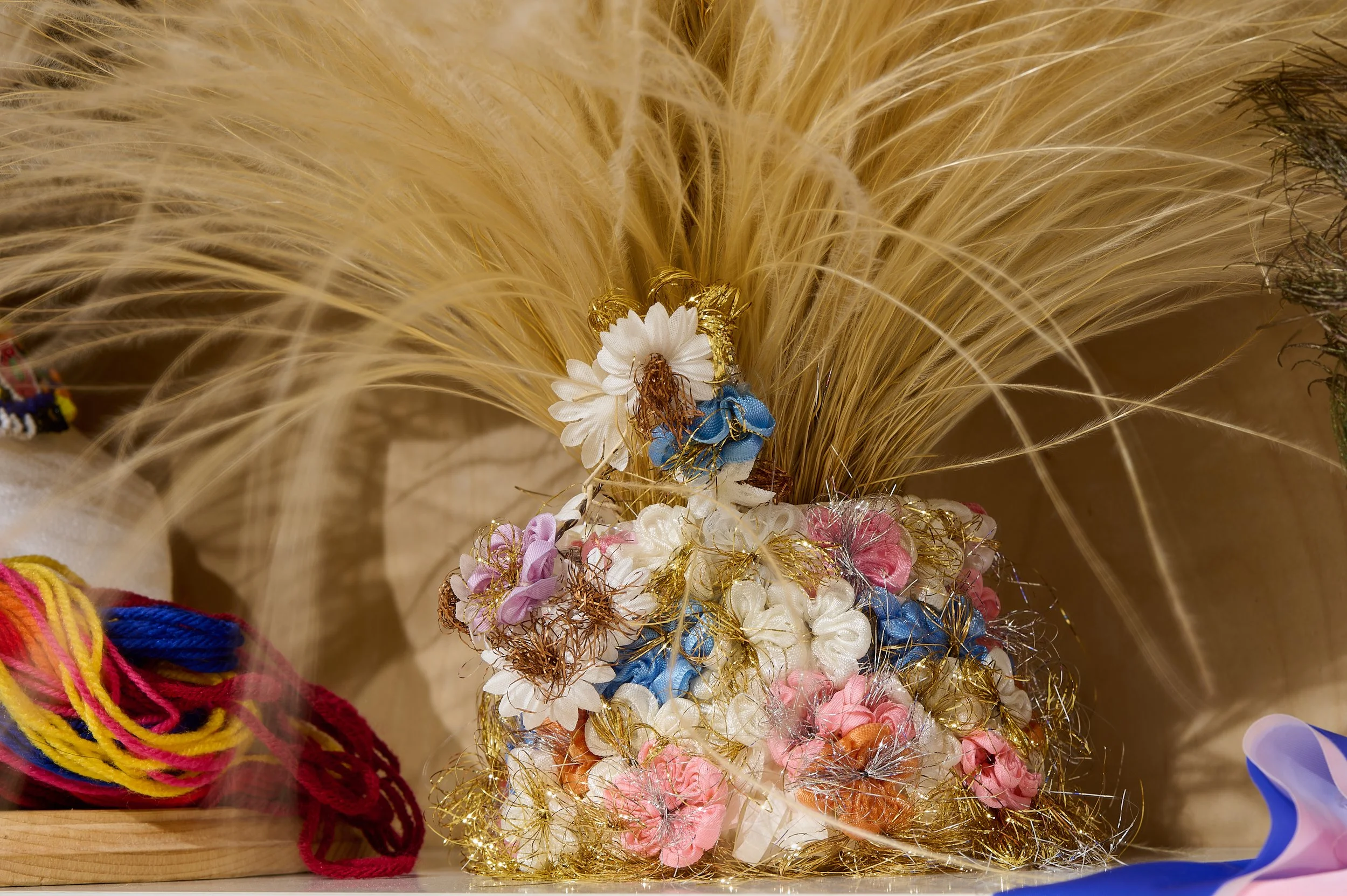
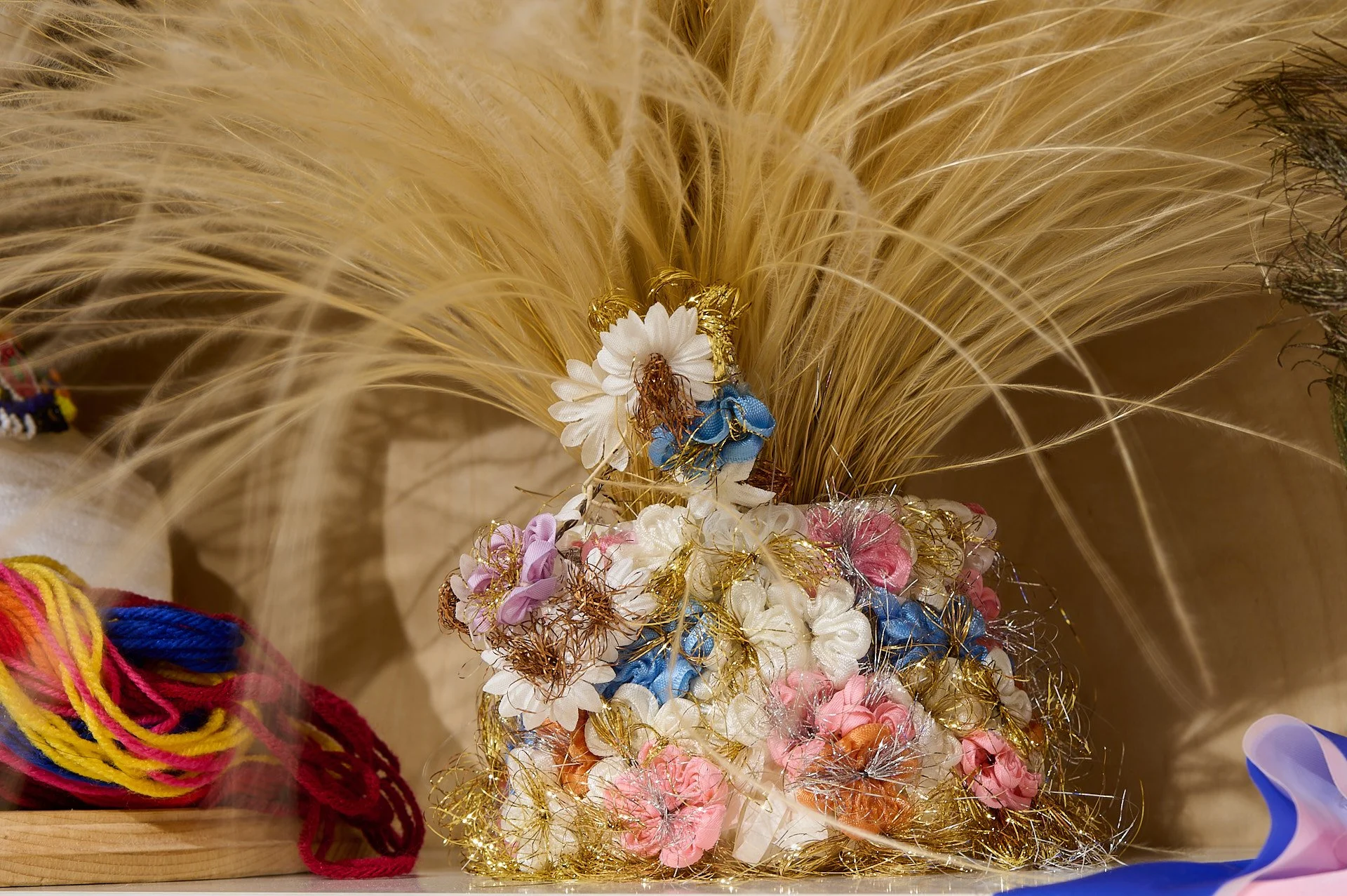
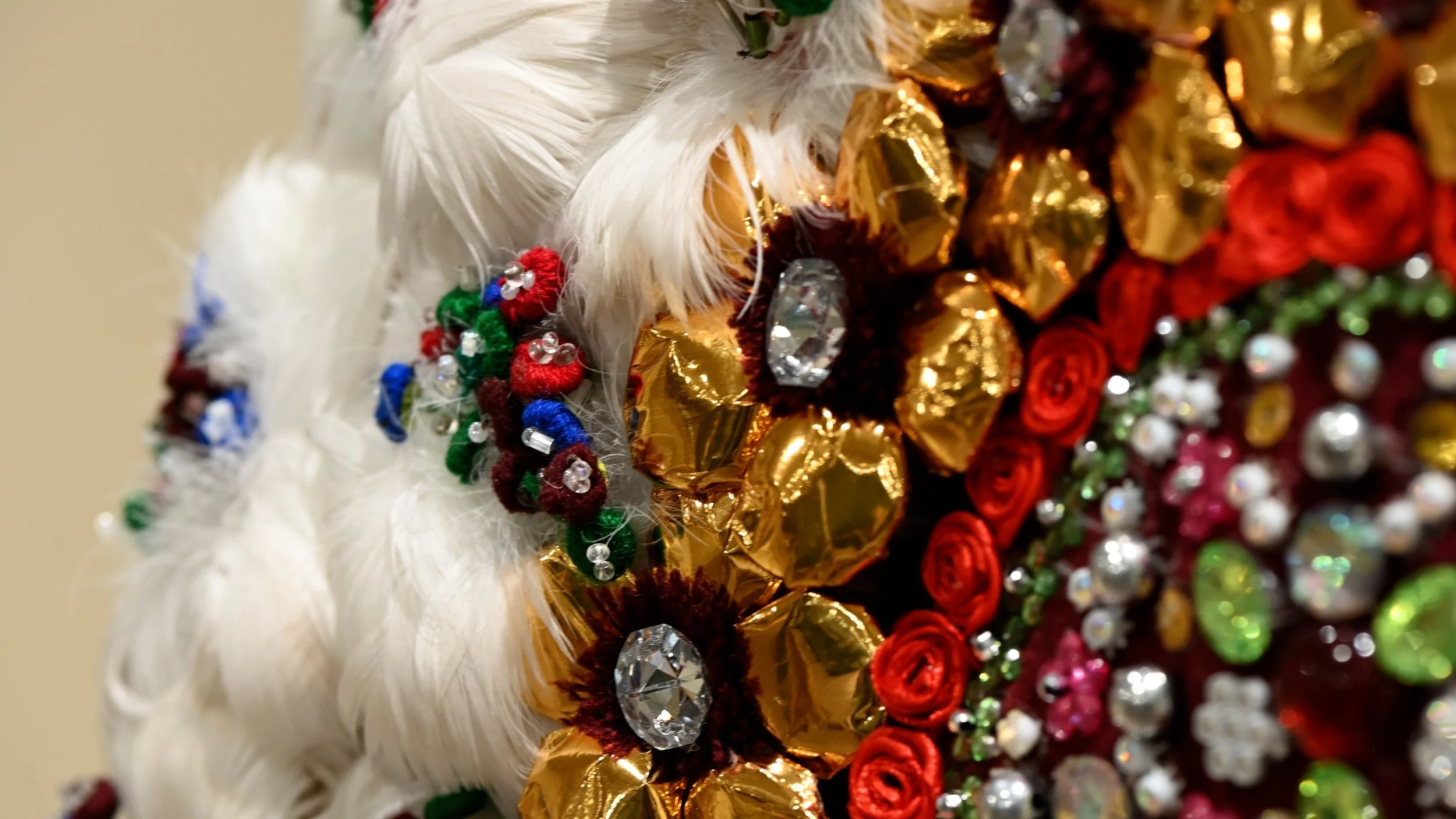
The Gallery features an extraordinary bridal wreath unique to the village of Velykyi Klyuchiv, seemingly floating mid-air. This replica, made by Paraska Kushlyak, is constructed from curly feathers from a goose’s neck, along with ribbons, tinsel, beads, yarn, paper, and candy wrappers. Many of these materials were chosen for their reflective qualities to ward off evil during the wedding.
Paraska Kushlyak
Kliuchiv wedding wreath, 2000s
Goose feathers, ribbons, tinsel, beads, yarn, paper, candy wrappers
Kosiv Ceramics
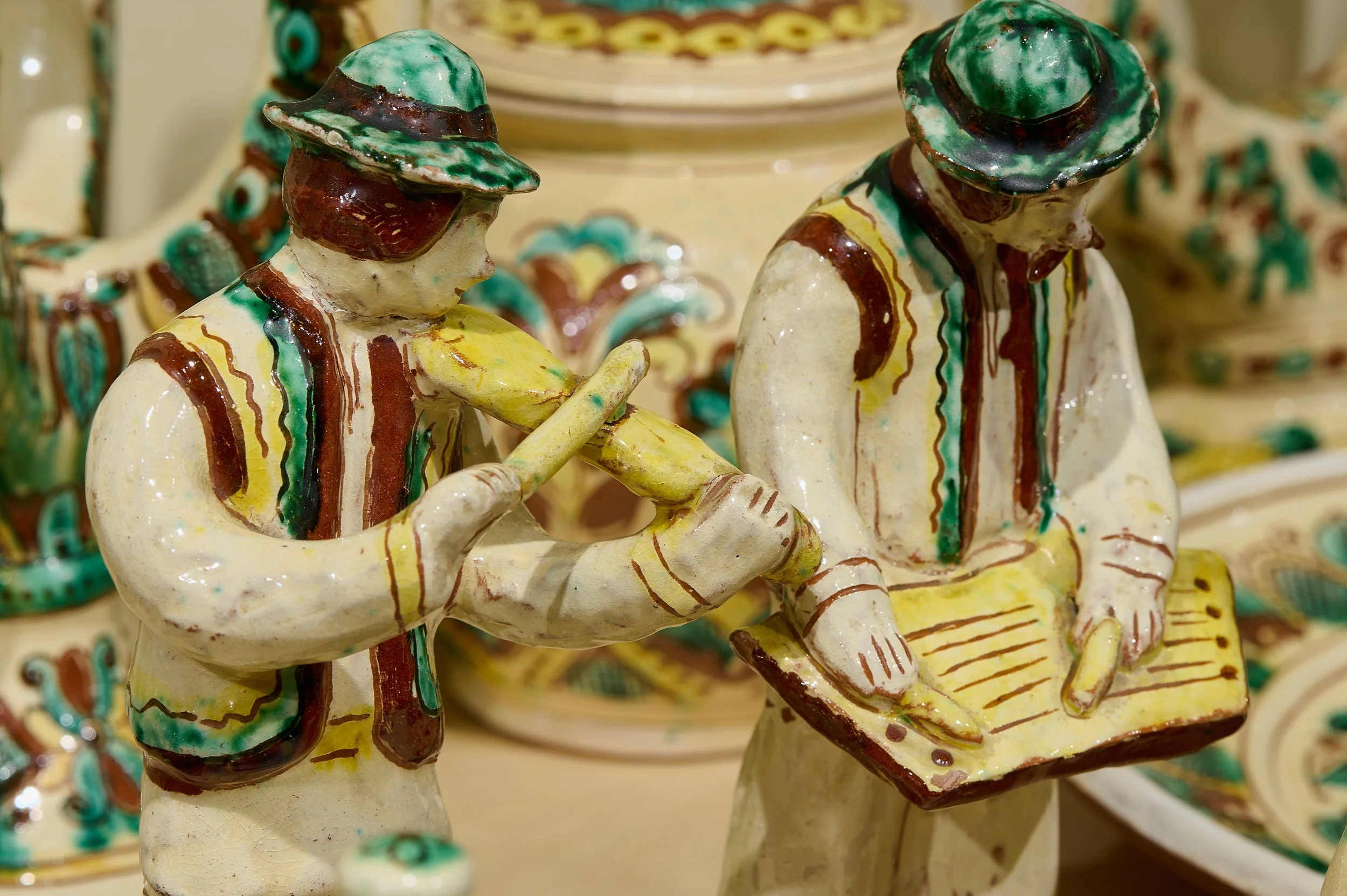
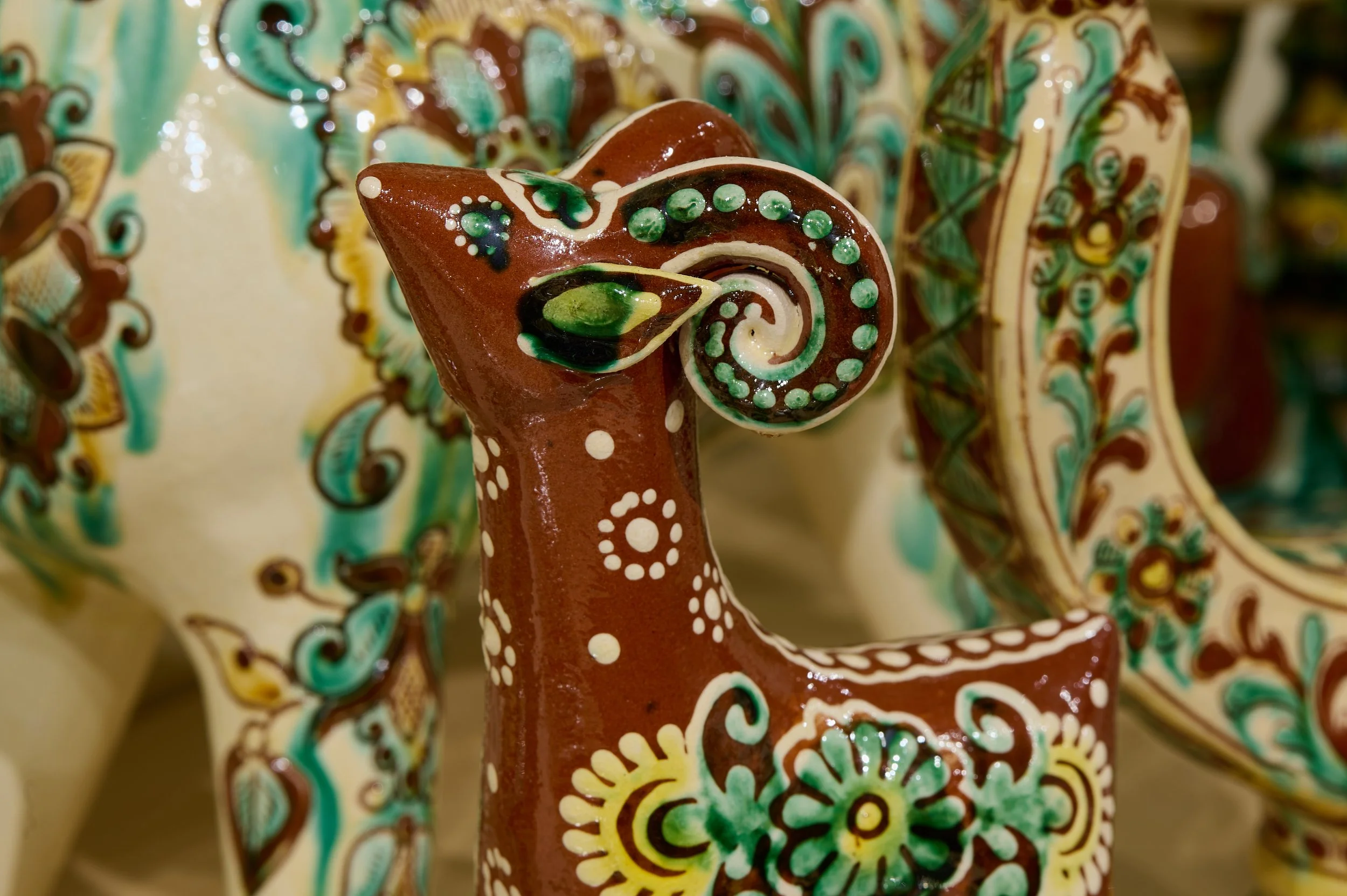
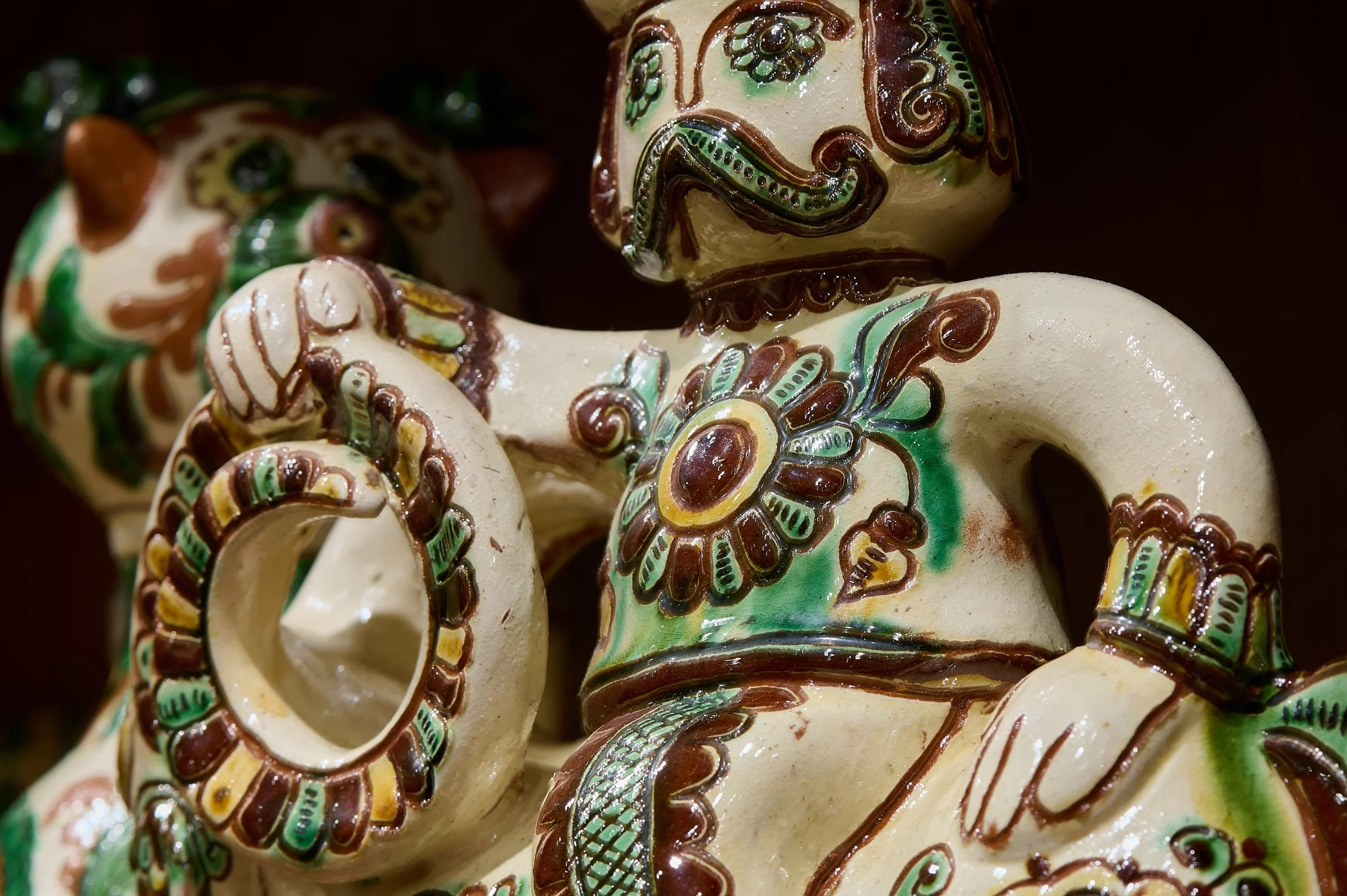
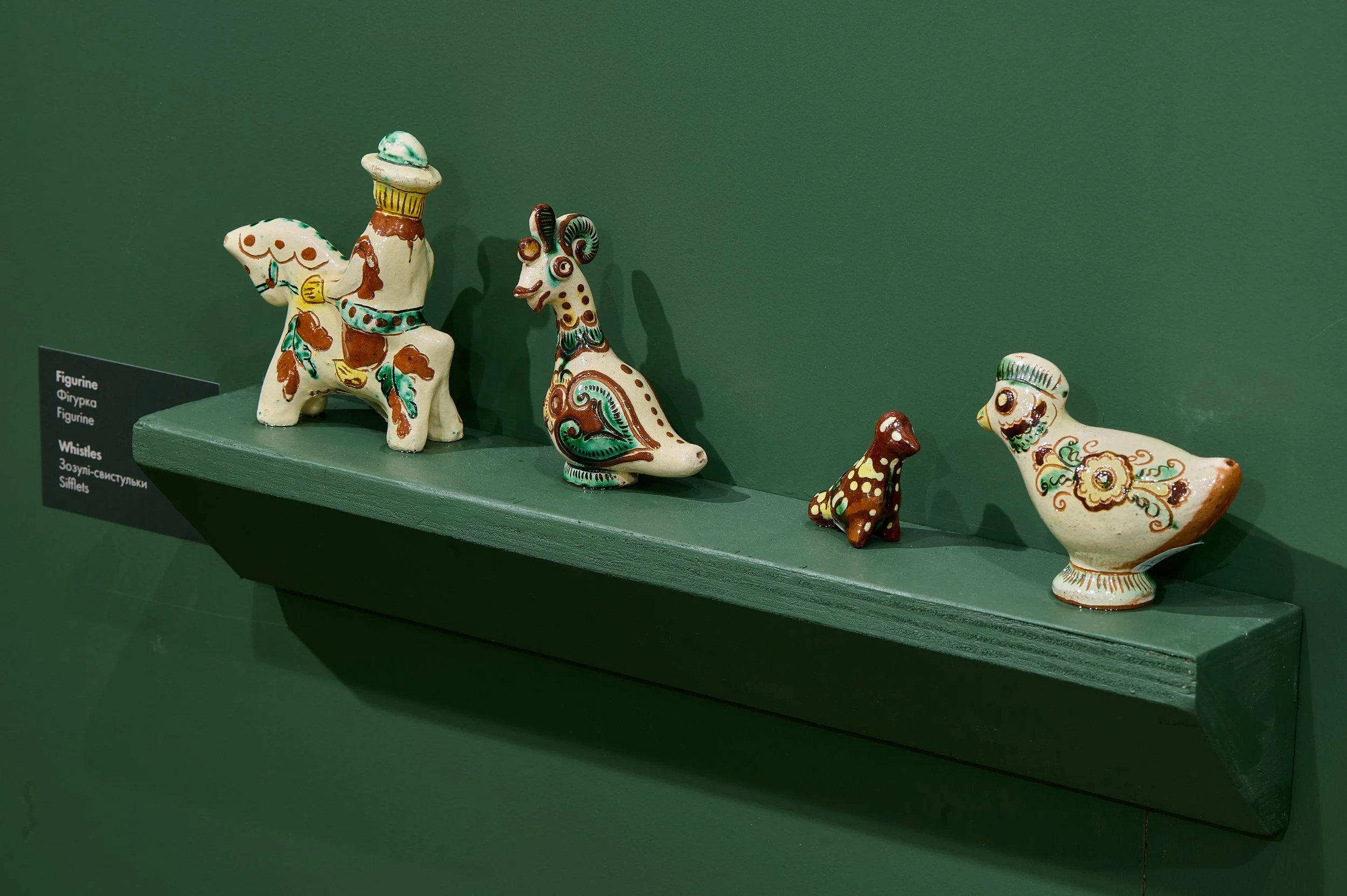
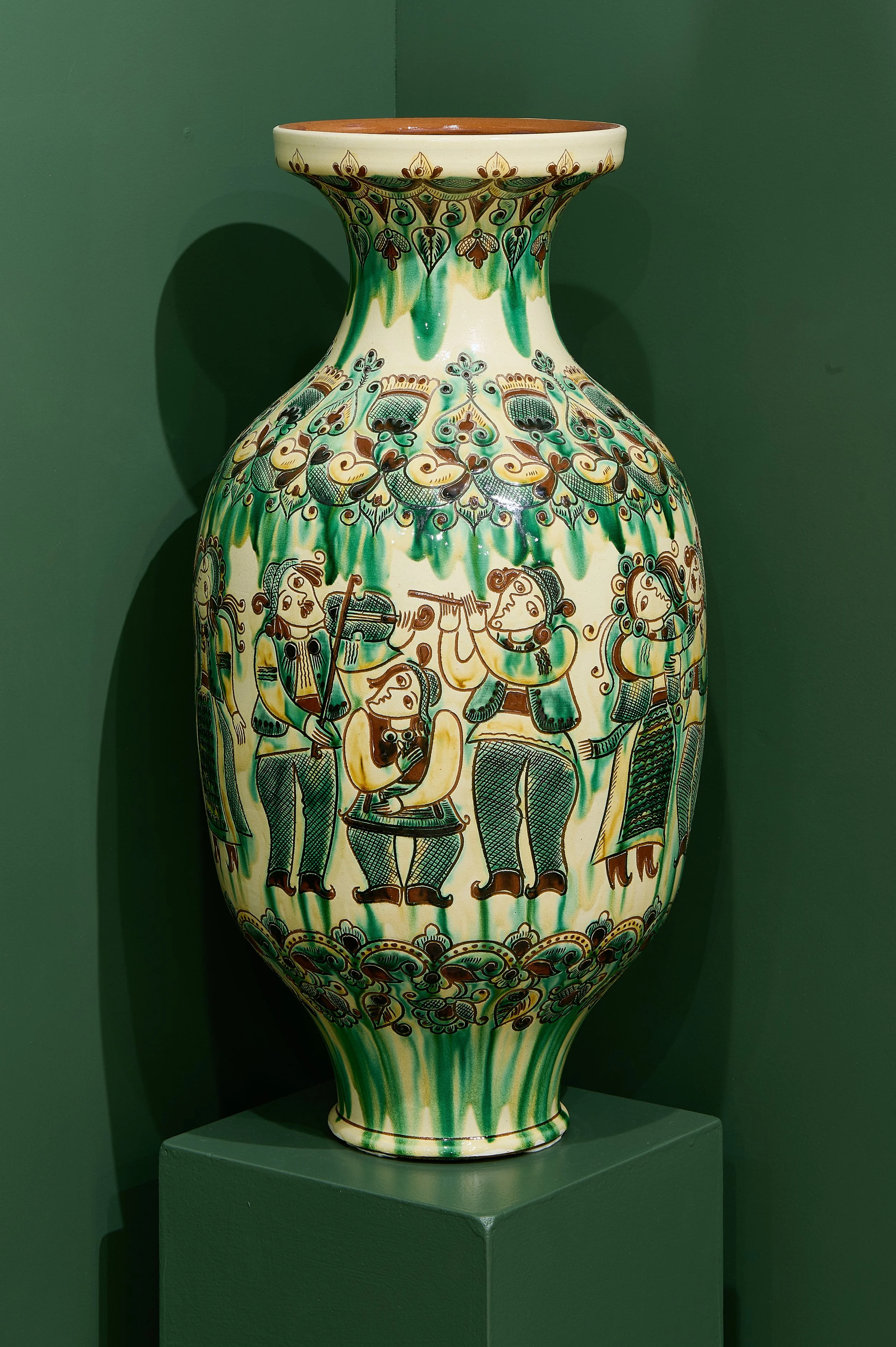
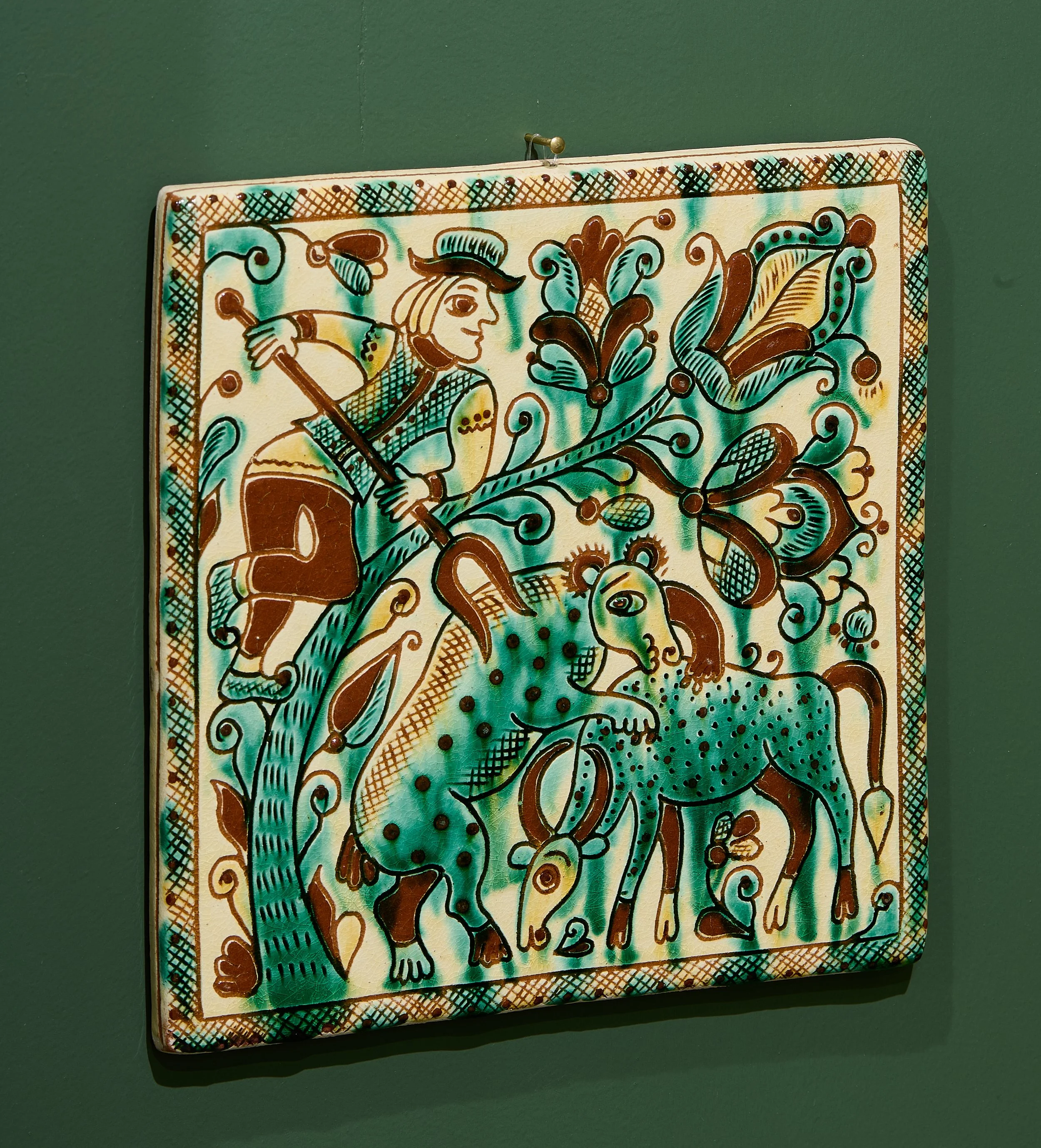
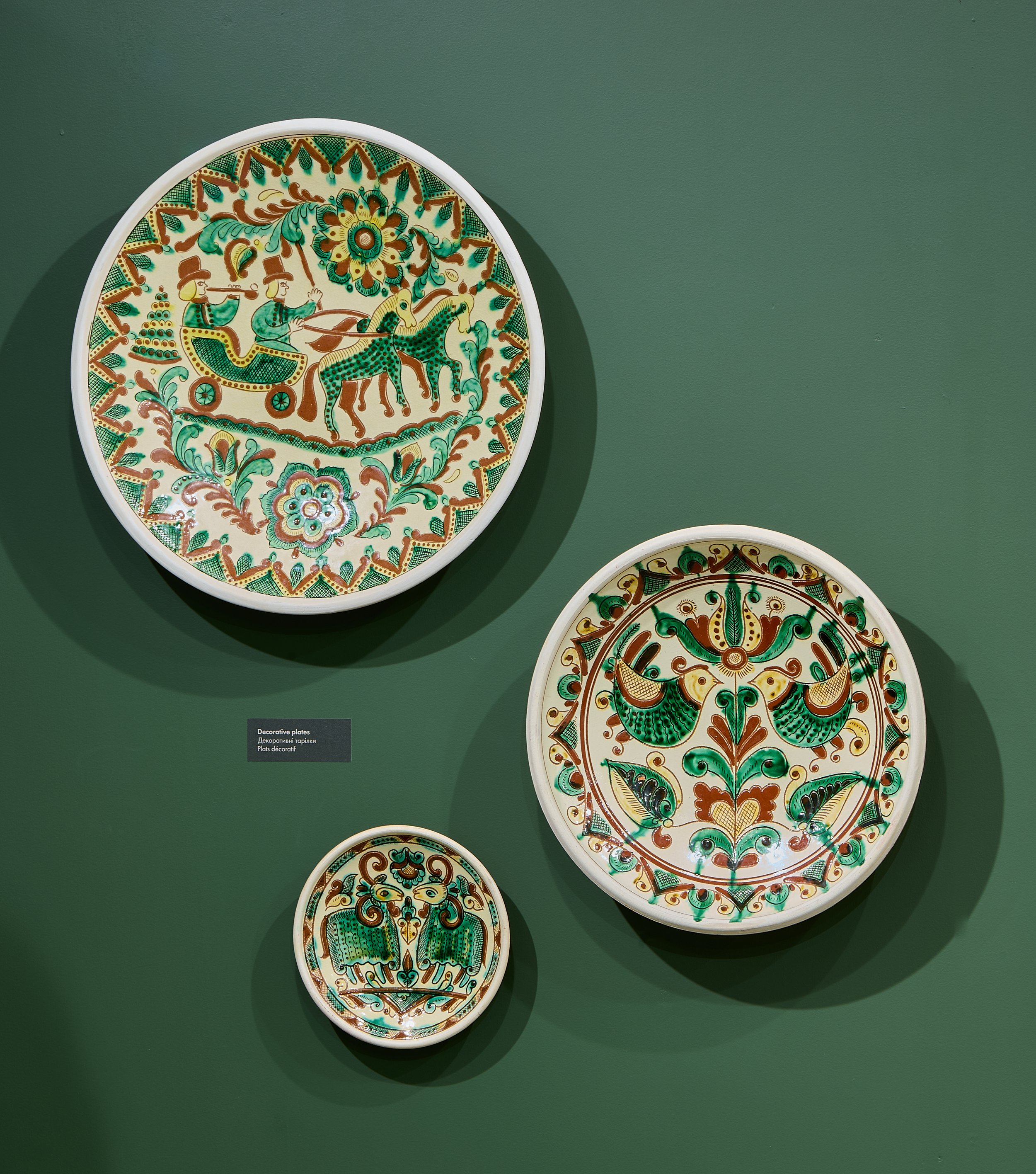
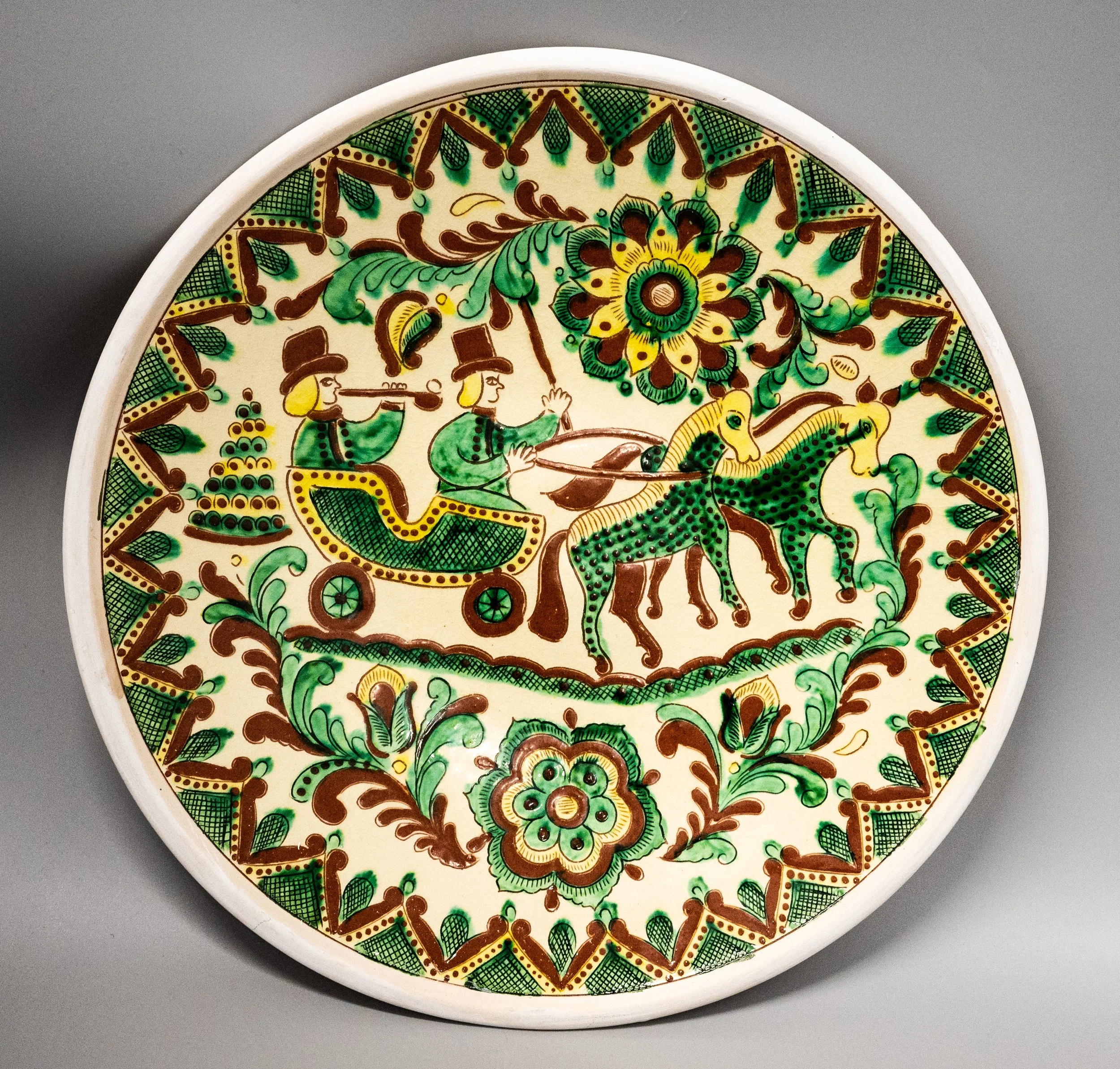
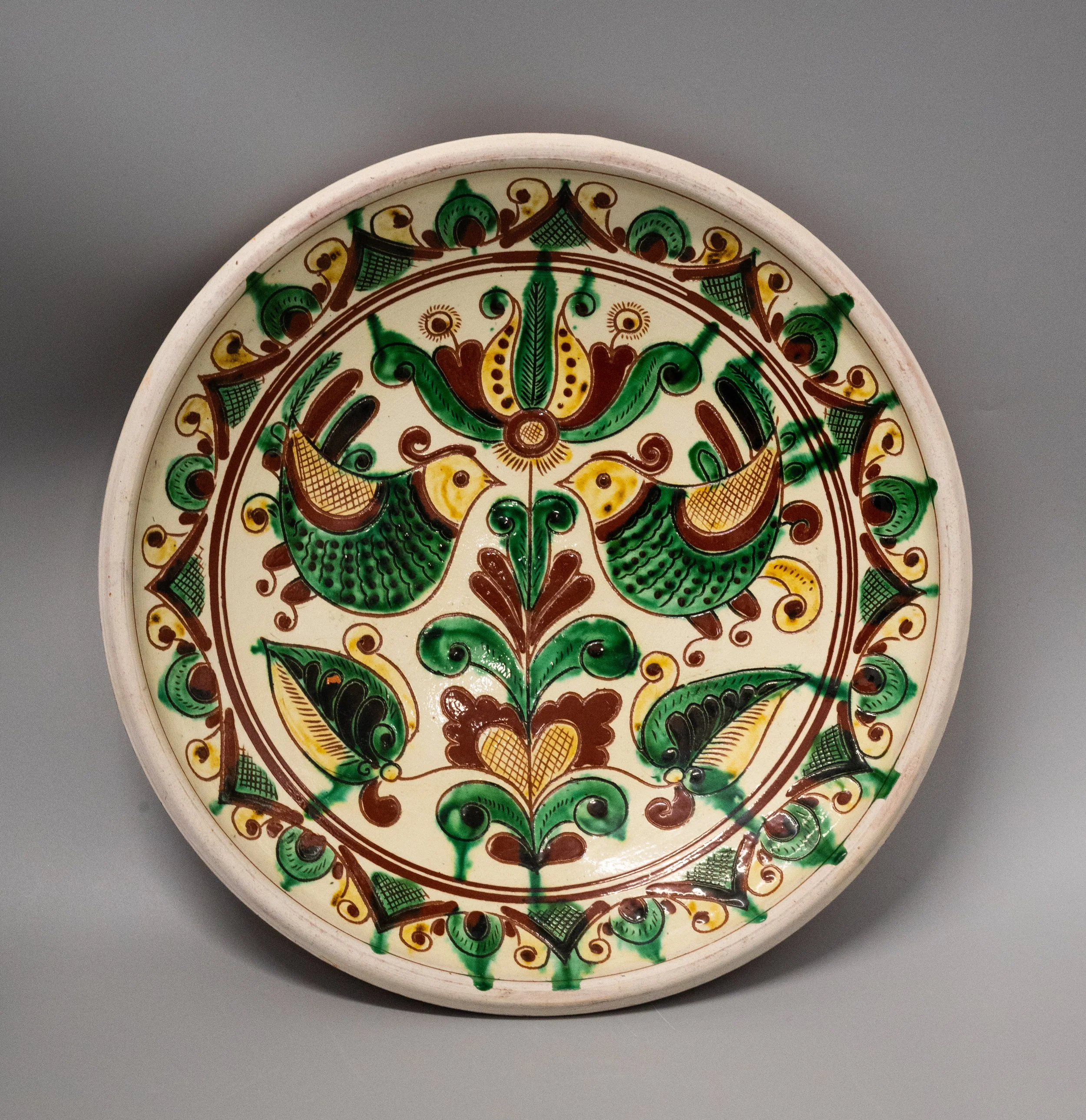
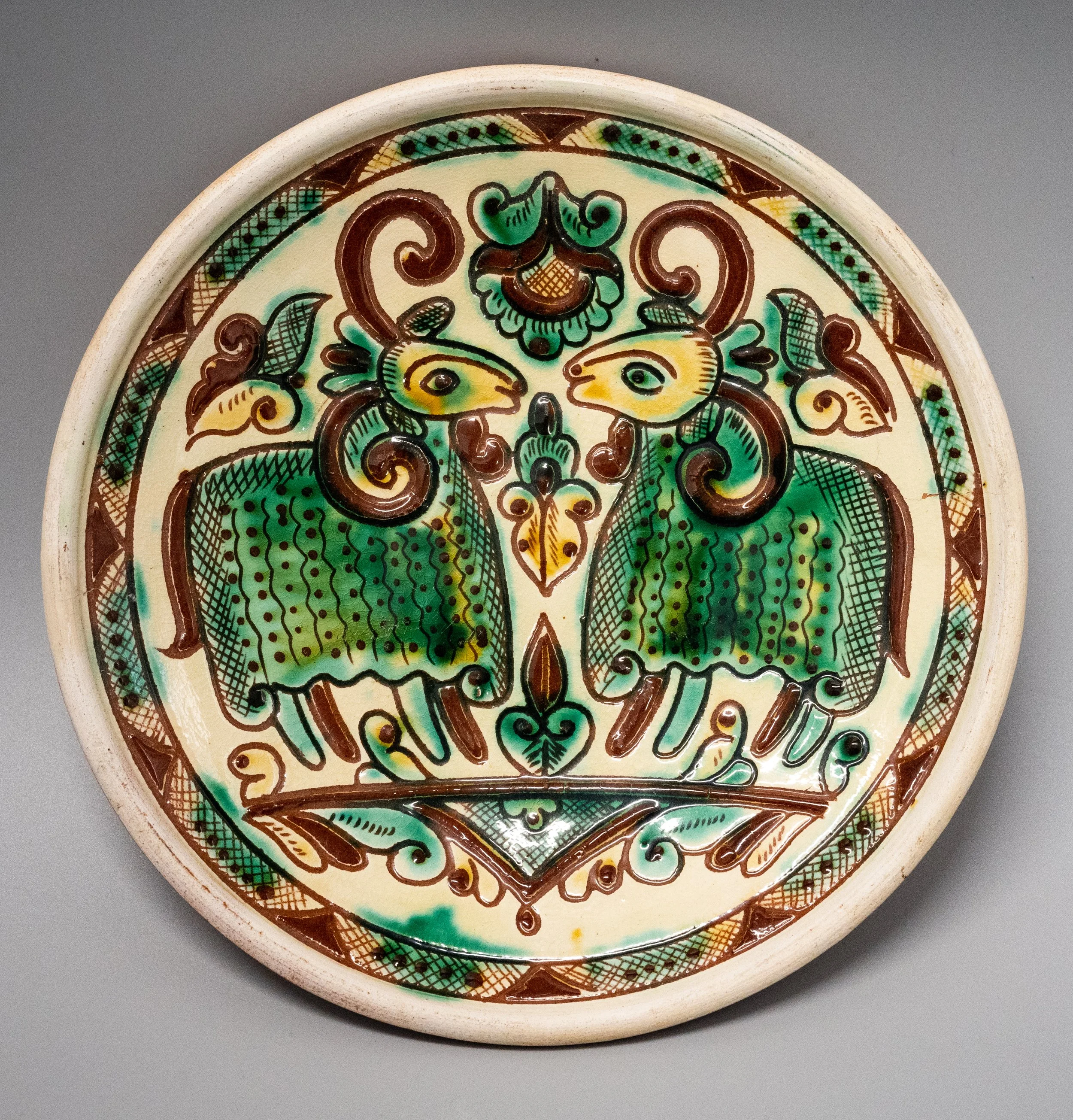
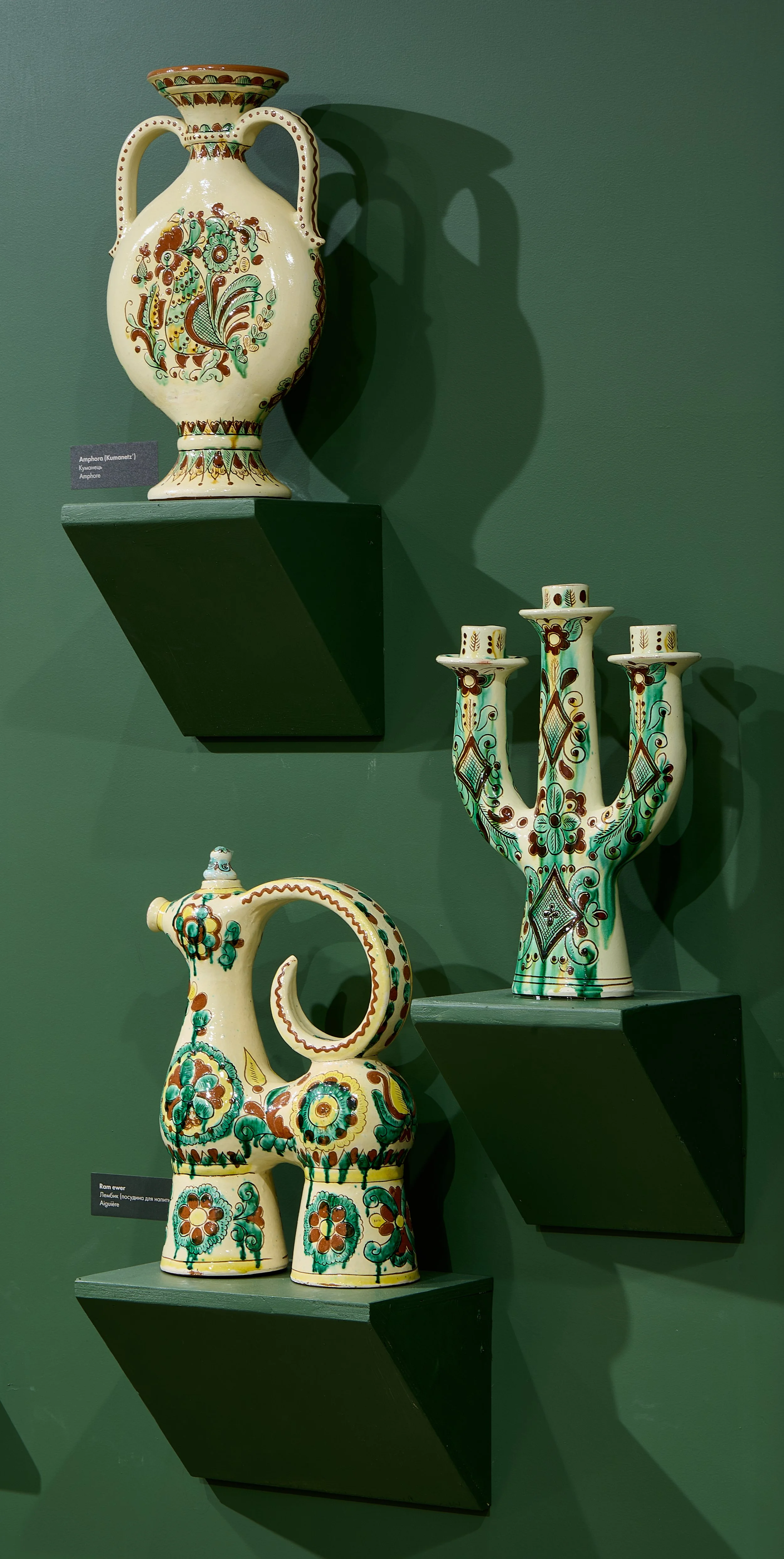
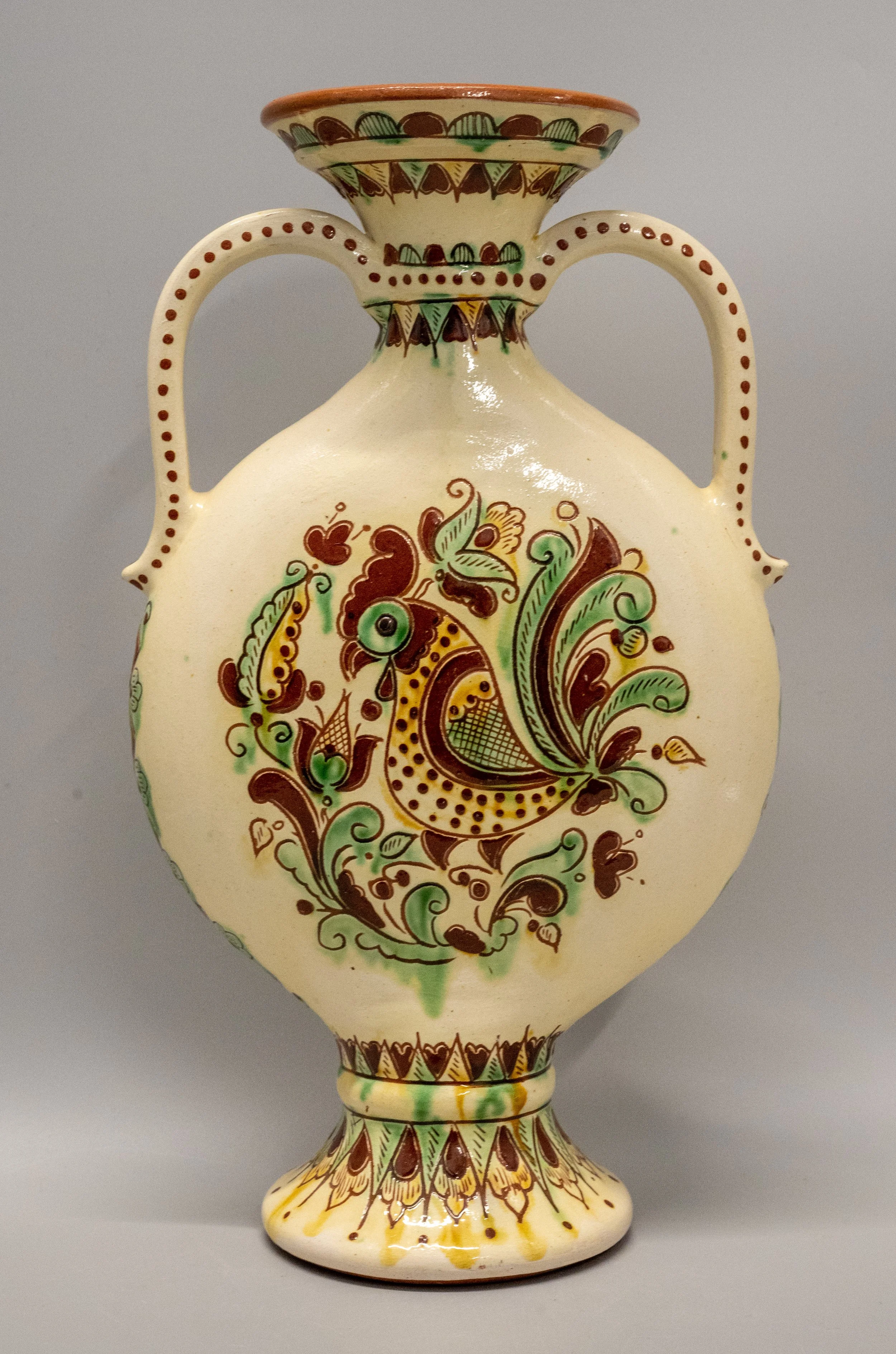
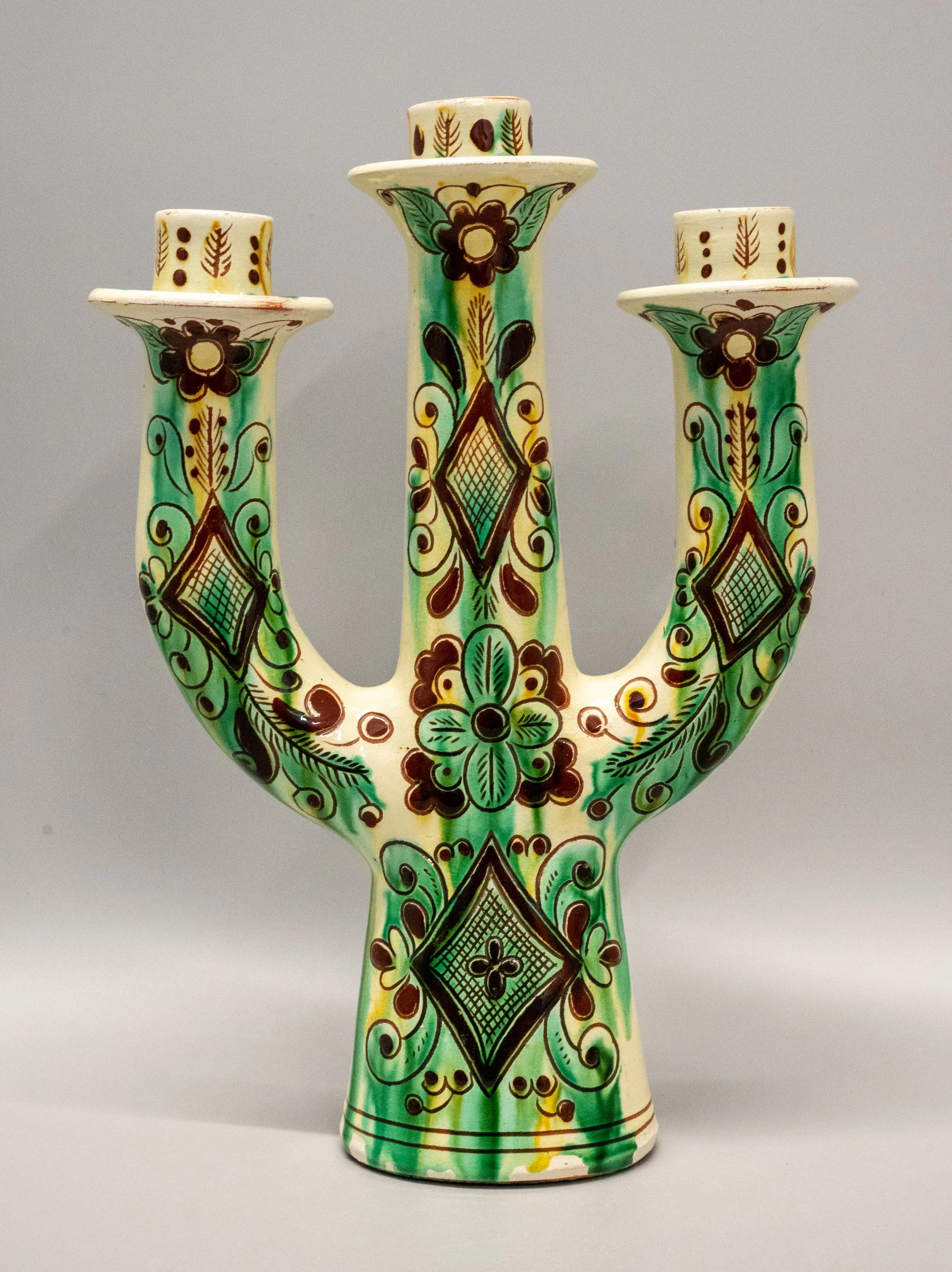
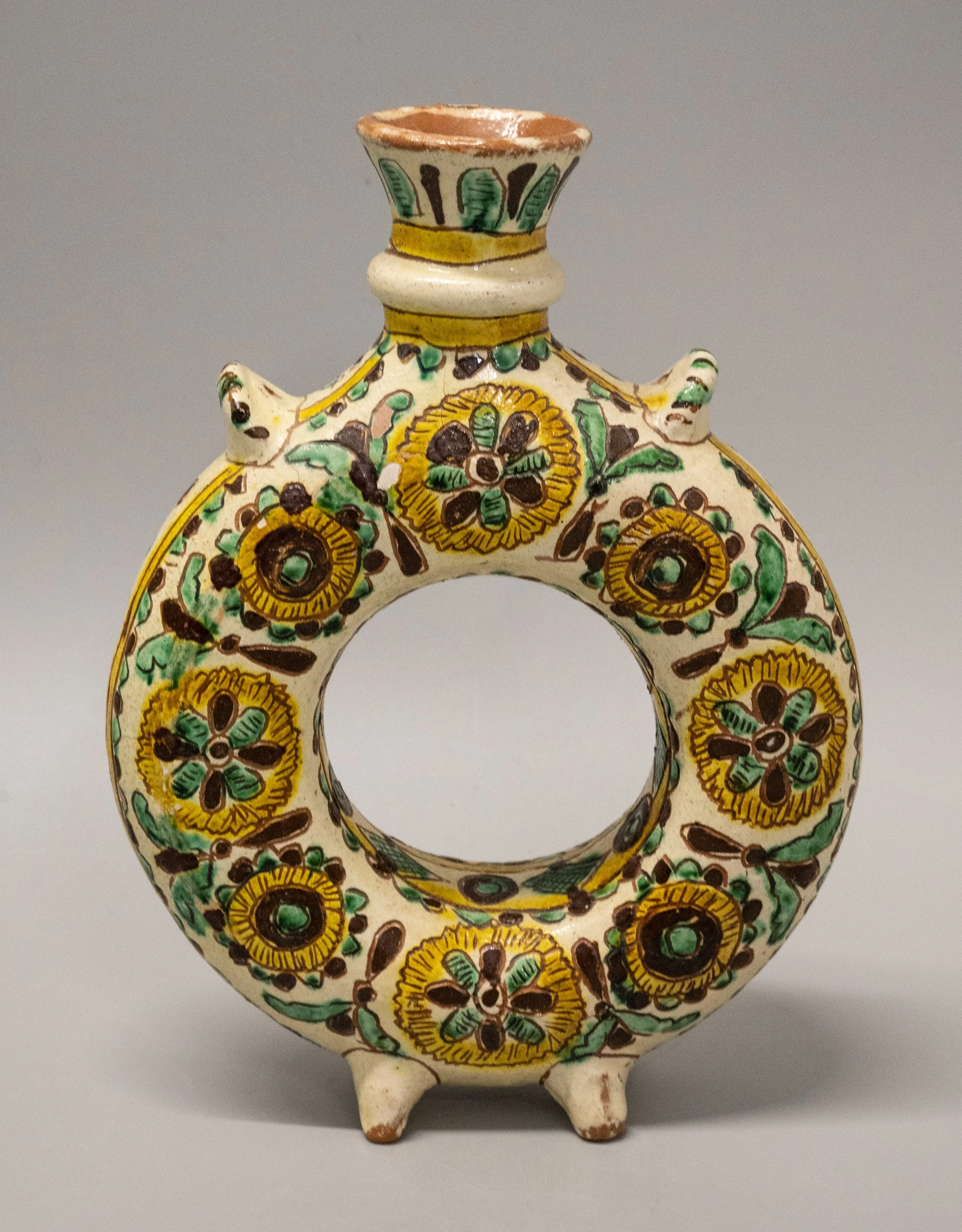
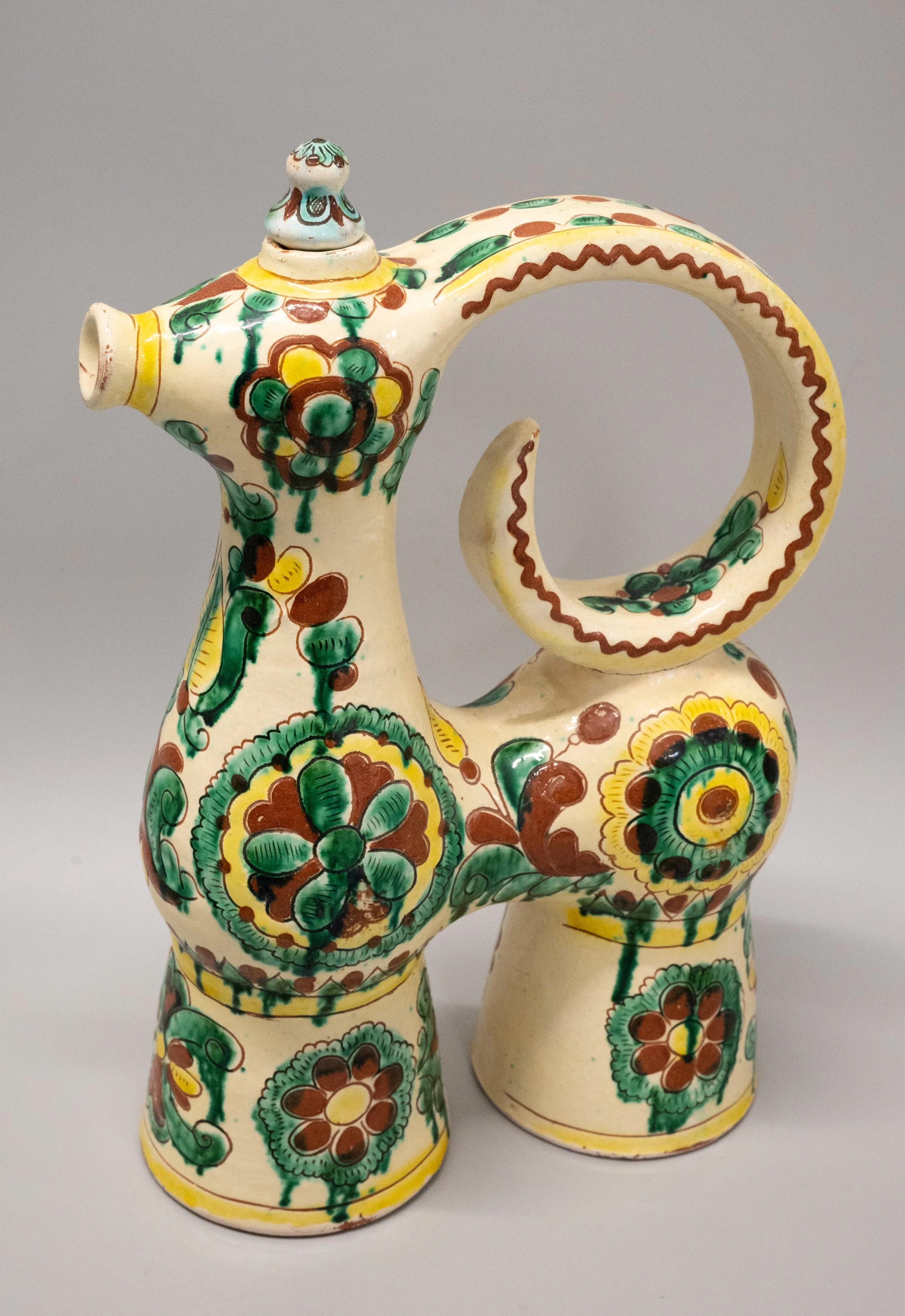
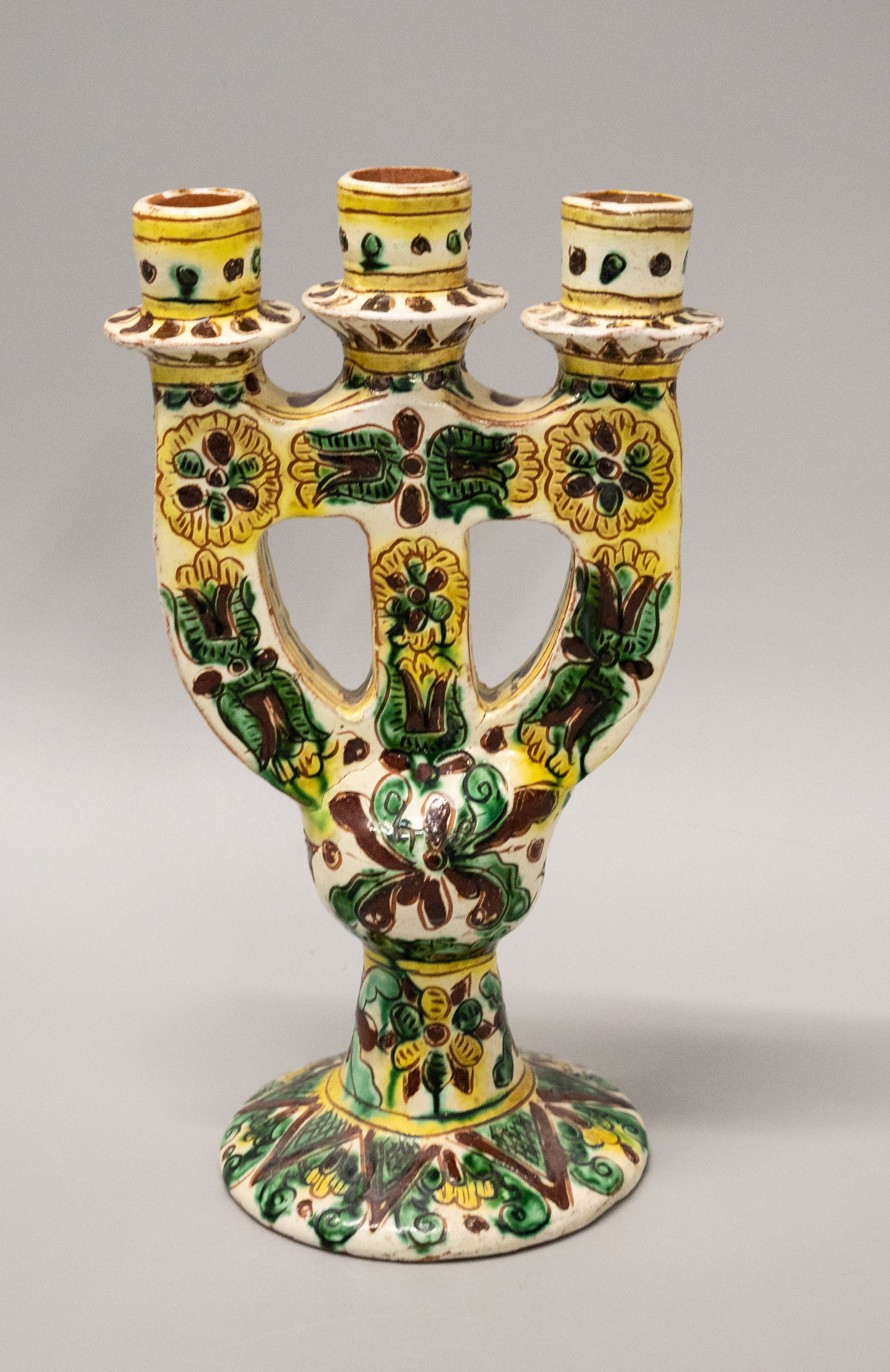
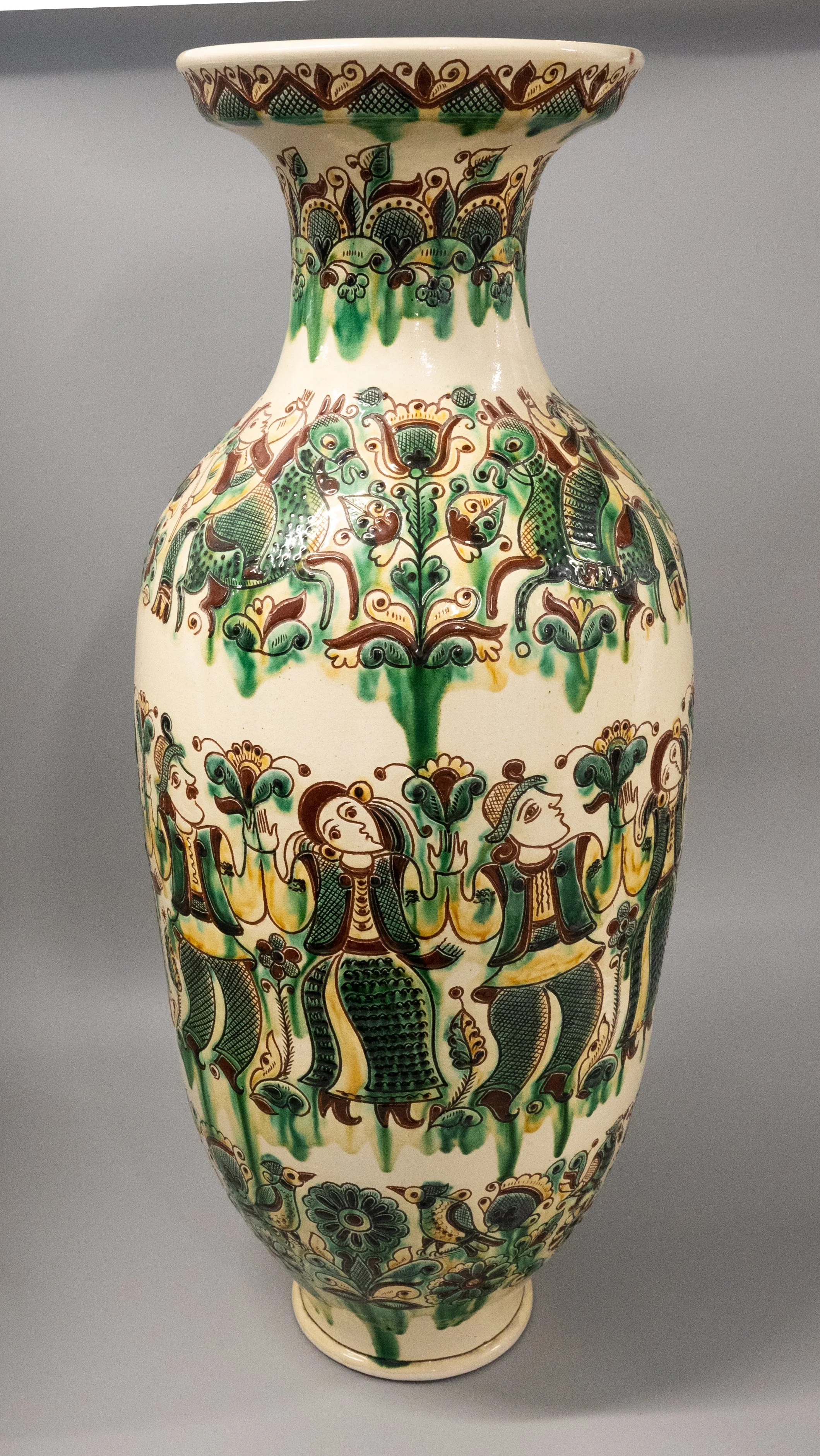
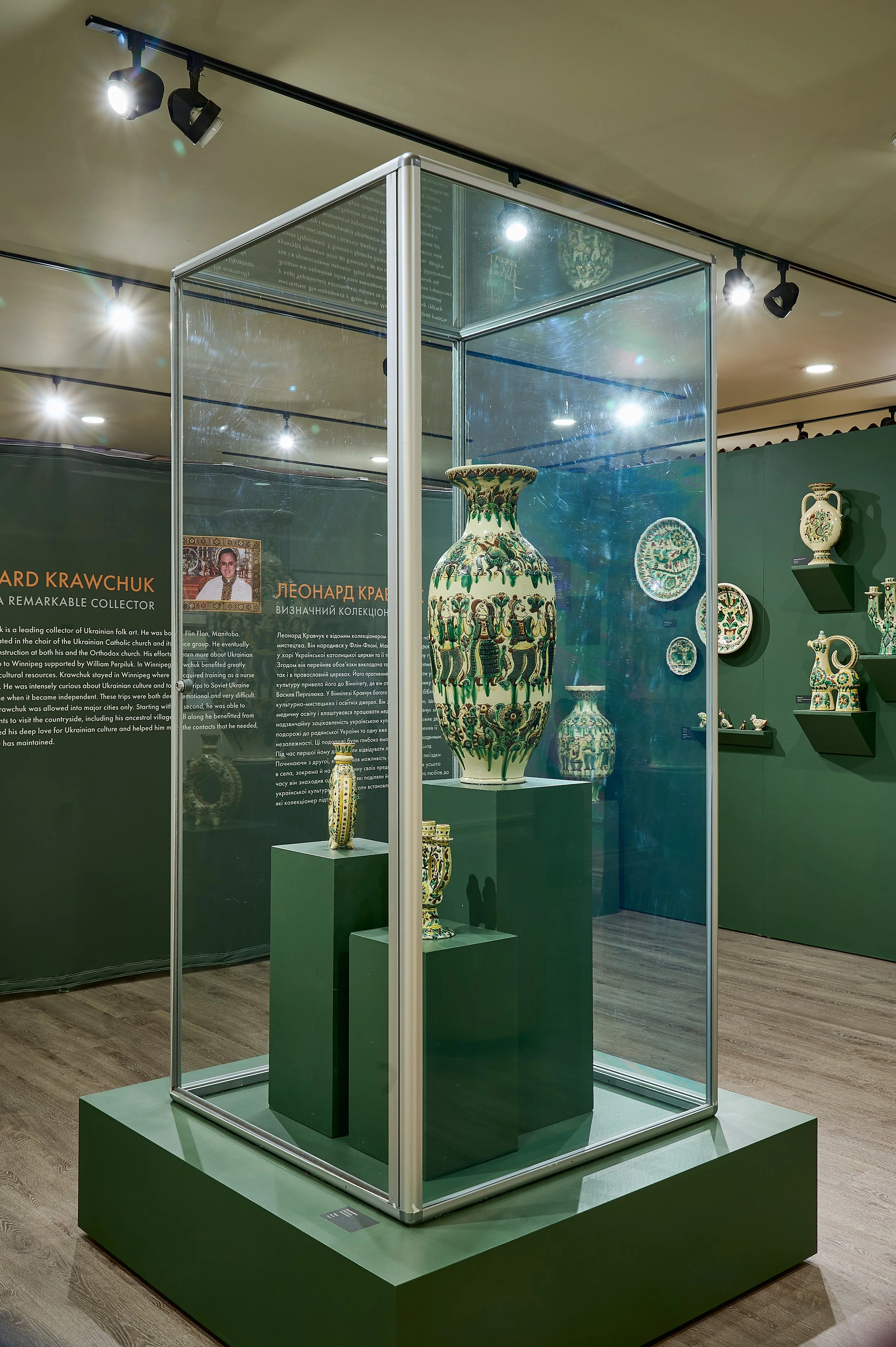
Kosiv painted ceramics, a vibrant expression of Hutsul folk art dating back to the 16th–17th centuries, are characterized by a green, yellow, and brown palette on a white ground, featuring geometric, floral, and narrative motifs. In 2019, Kosiv's painted ceramics were inscribed on the UNESCO Intangible Heritage List. This exhibition presents works by classic and contemporary masters, including P. Tsvilyk, N. Verbivs’ka, V. Shvets, and others.

Artisans
Vasyl' and Oleksandra Shvets'
Vasyl’ & Oleksandra Shvets’
A contemporary artist, Vasyl’ creates large vases, plates, and tiles in which traditional Hutsul motifs take on a modern expression. His works are rich in narratives, depicting holidays, everyday life, and legends, and are held in museums and private collections.
Pavlina Tsvilyk
(1891–1964)
One of the most renowned Kosiv ceramic artists, Pavlina created utilitarian and decorative objects with clearly defined traditional forms. She favoured yellow, using it generously and in her own distinctive way. Her works had a significant influence on the development of the Kosiv ceramic school and its subsequent formation.
Nadiya Verbivs’ka
(1929–2011)
Nadiya’s works are characterized by clear composition, harmonious colours, and subtle rhythm. She upheld the traditions of the Kosiv school, preserving continuity while expanding its artistic possibilities, integrating traditional ornamentation with a modern sense of form.

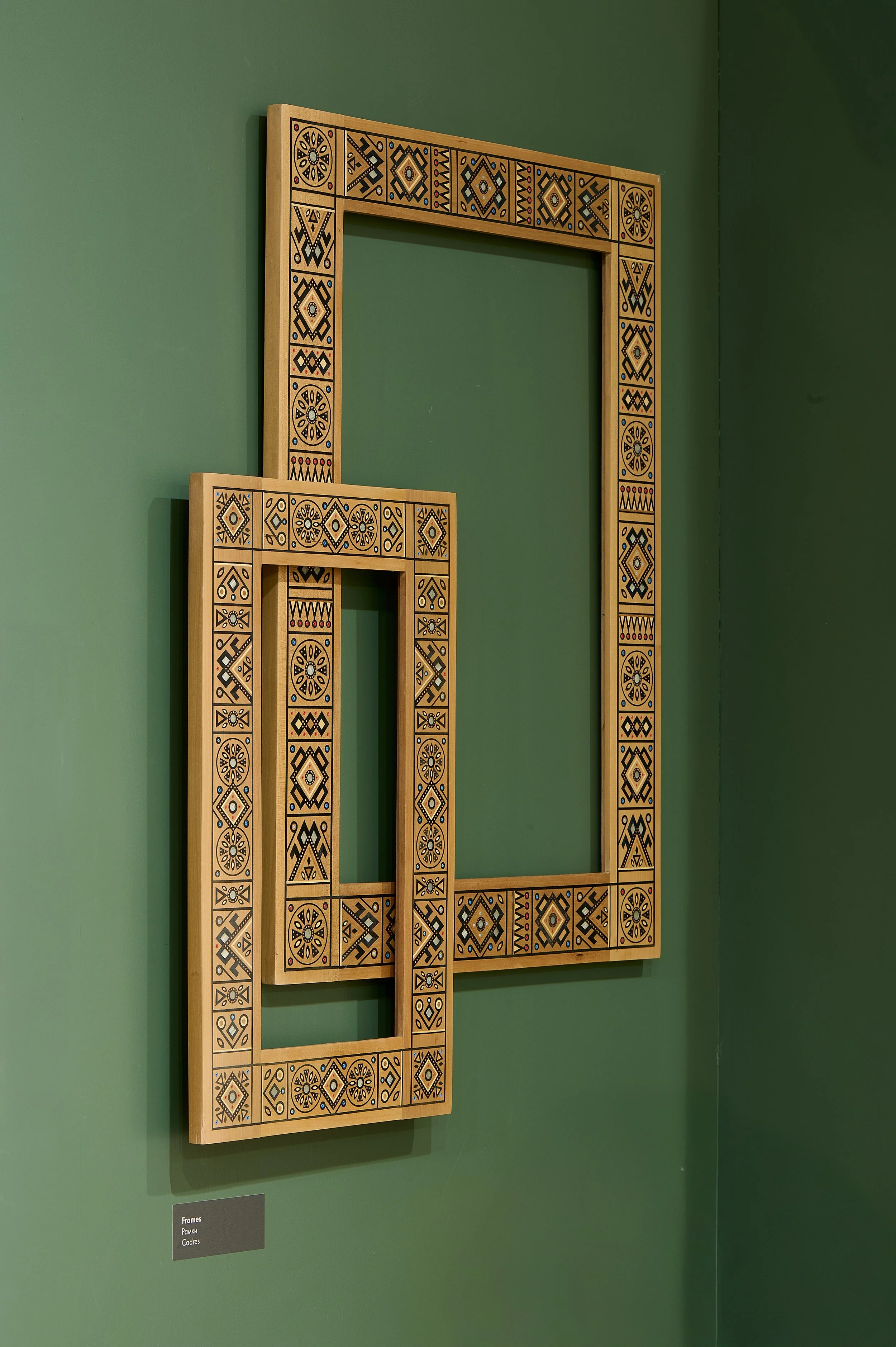
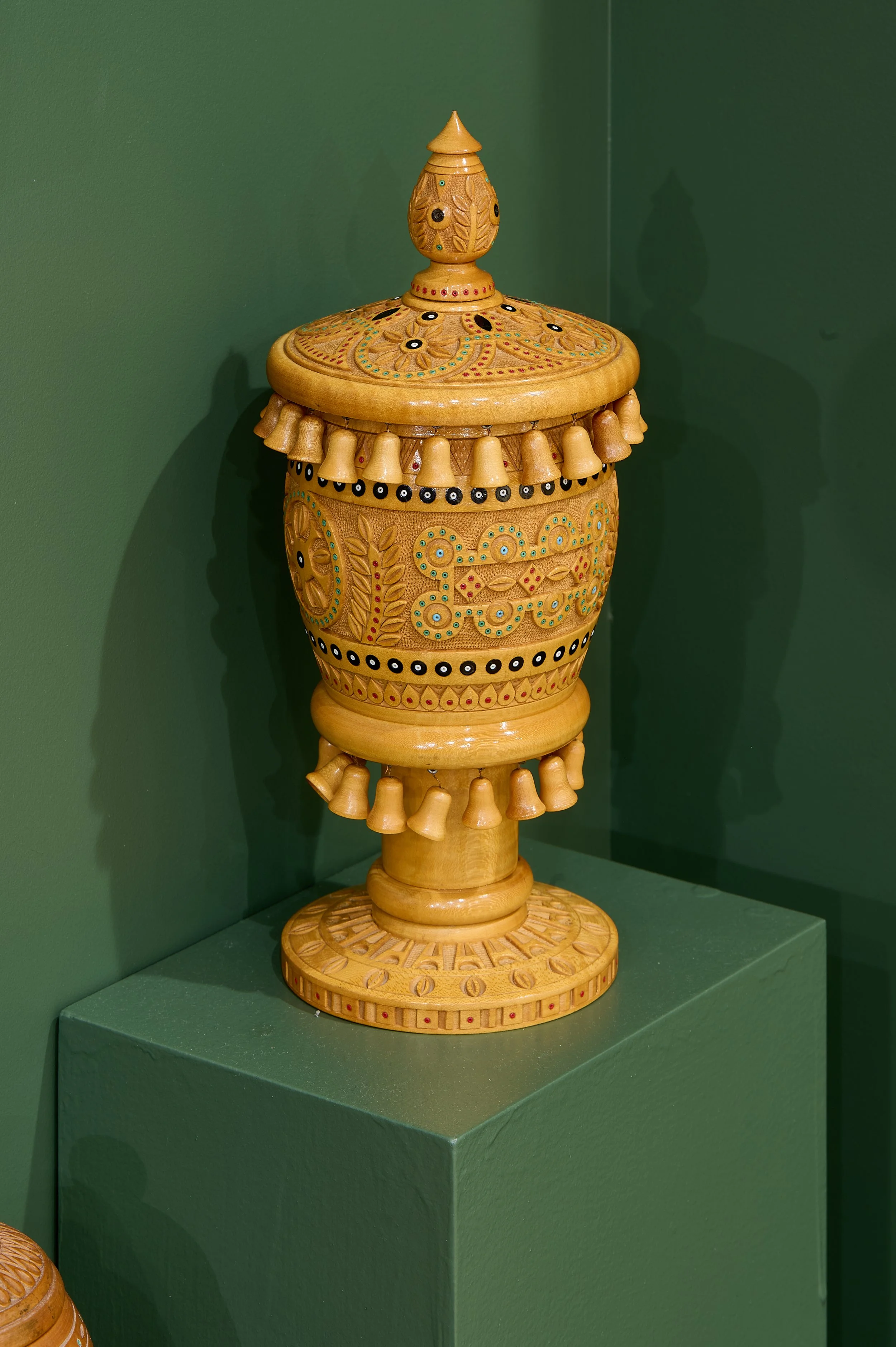
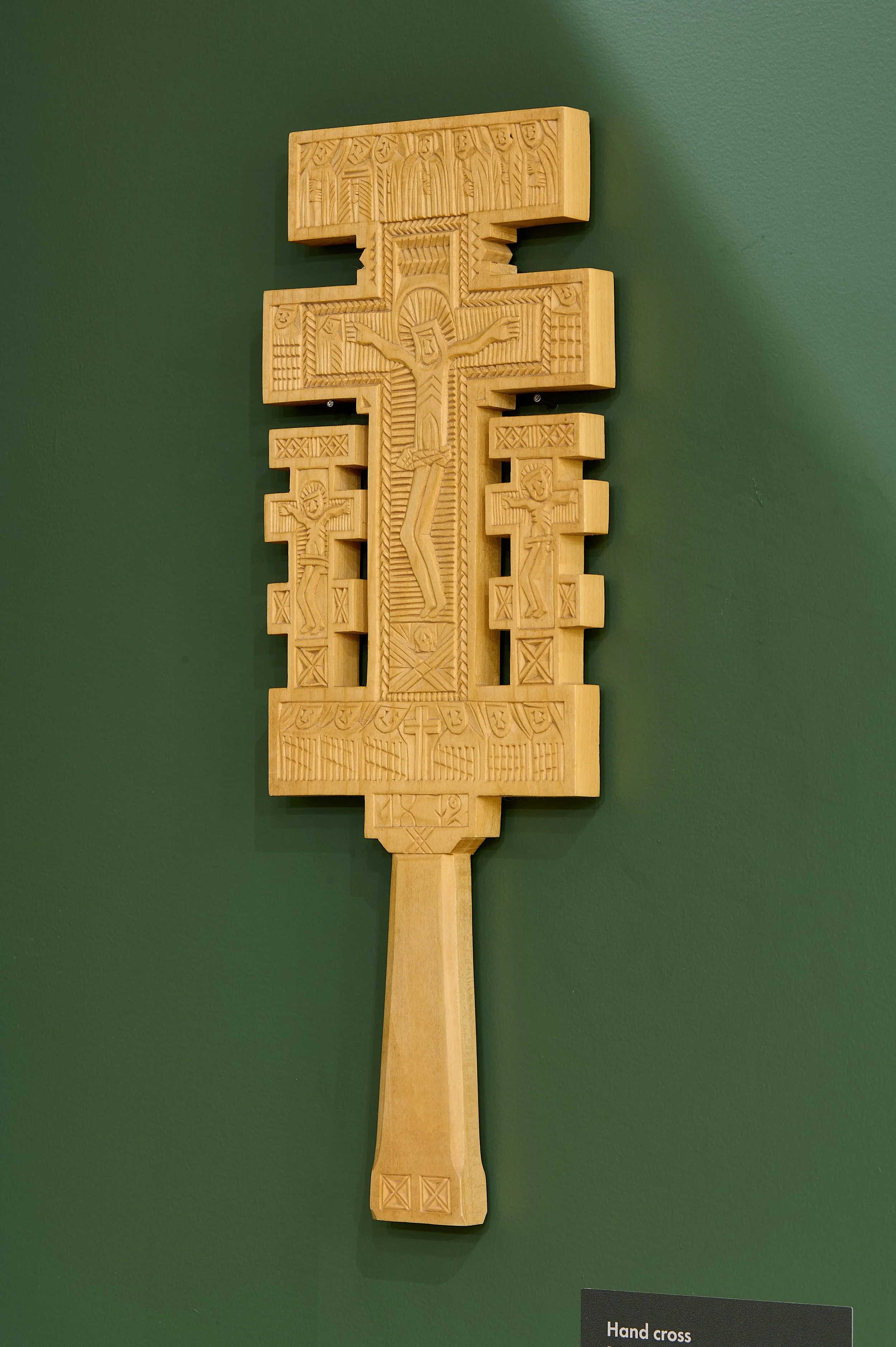
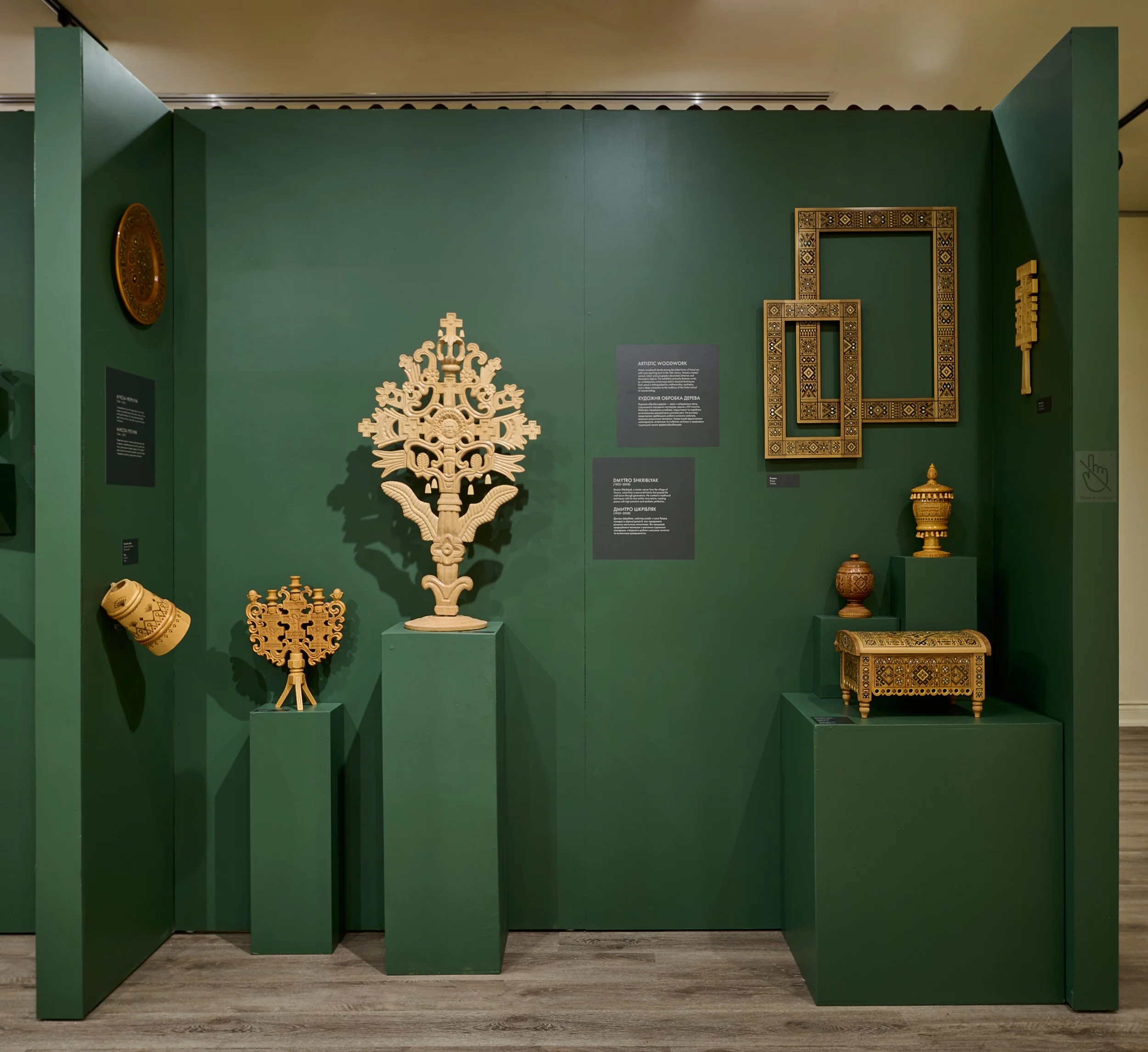
Artistic Woodwork
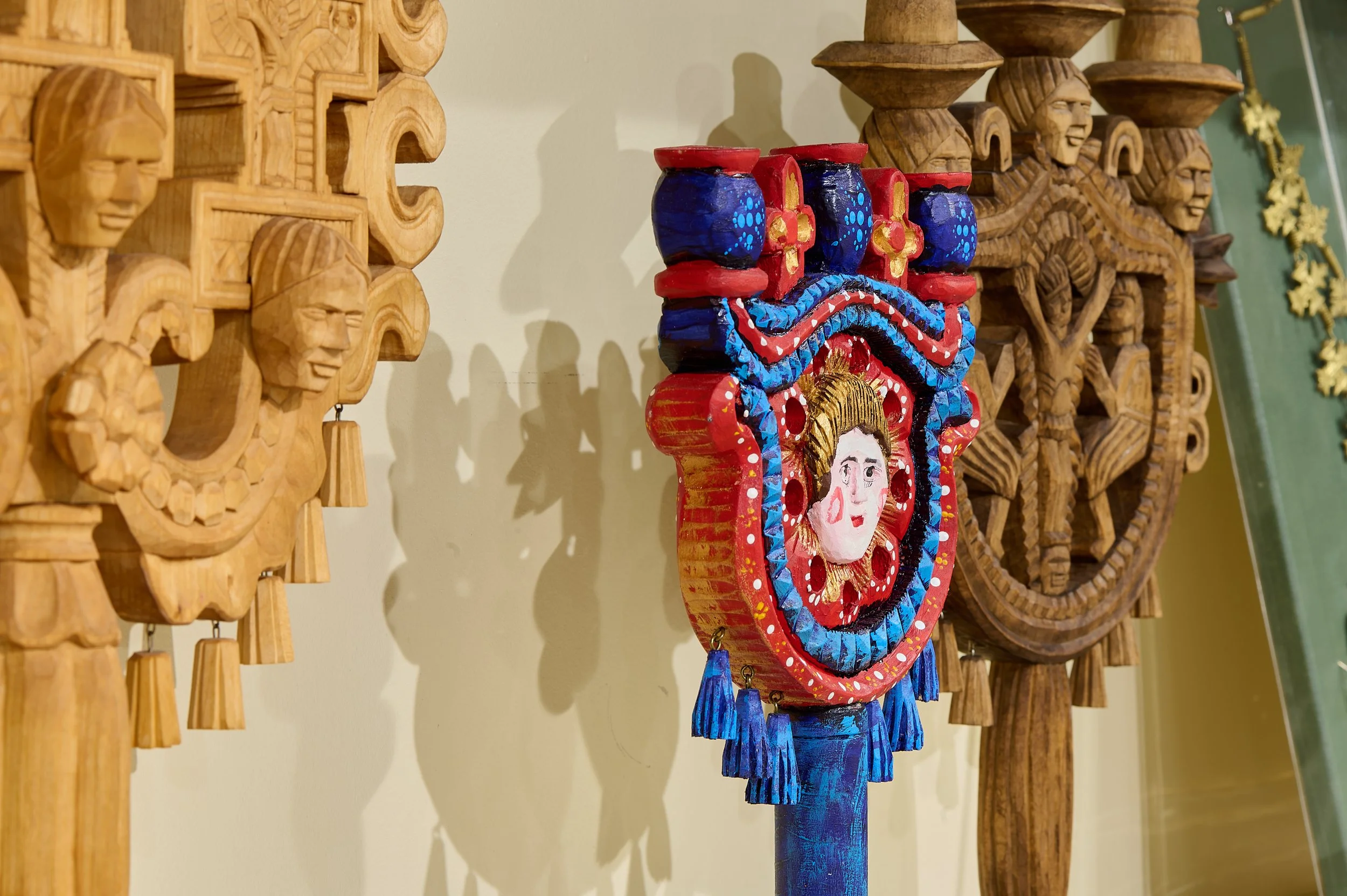
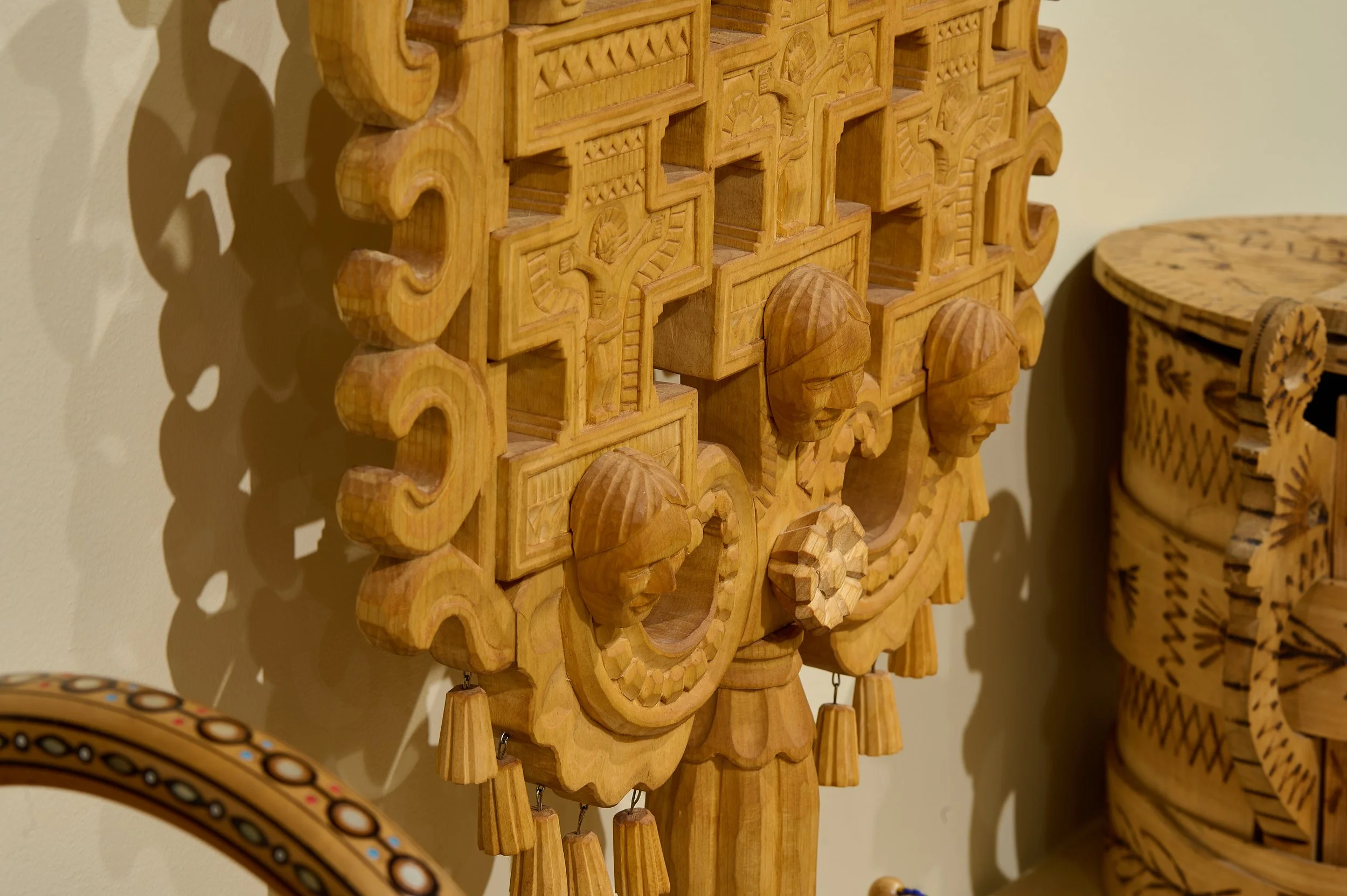
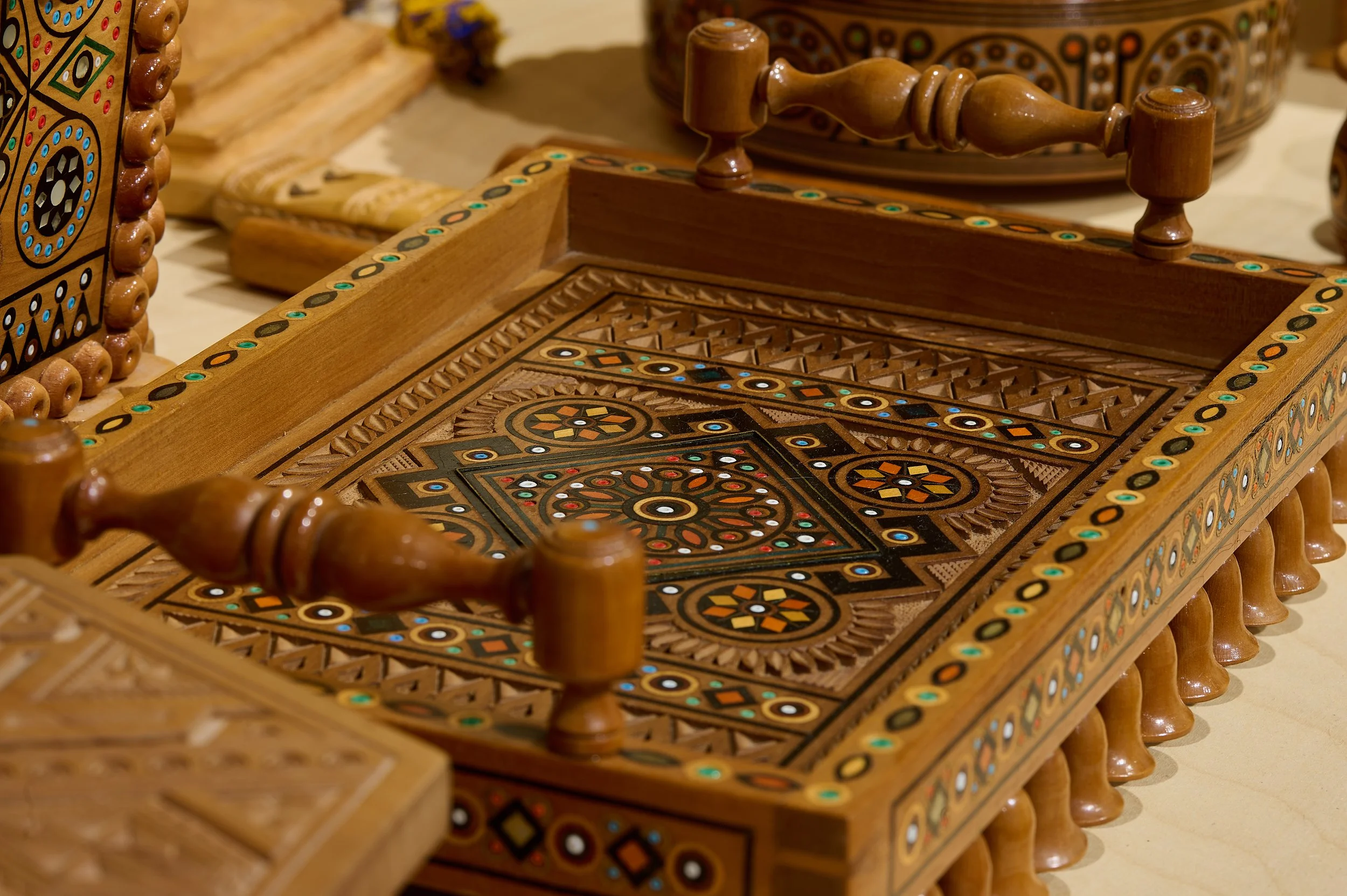
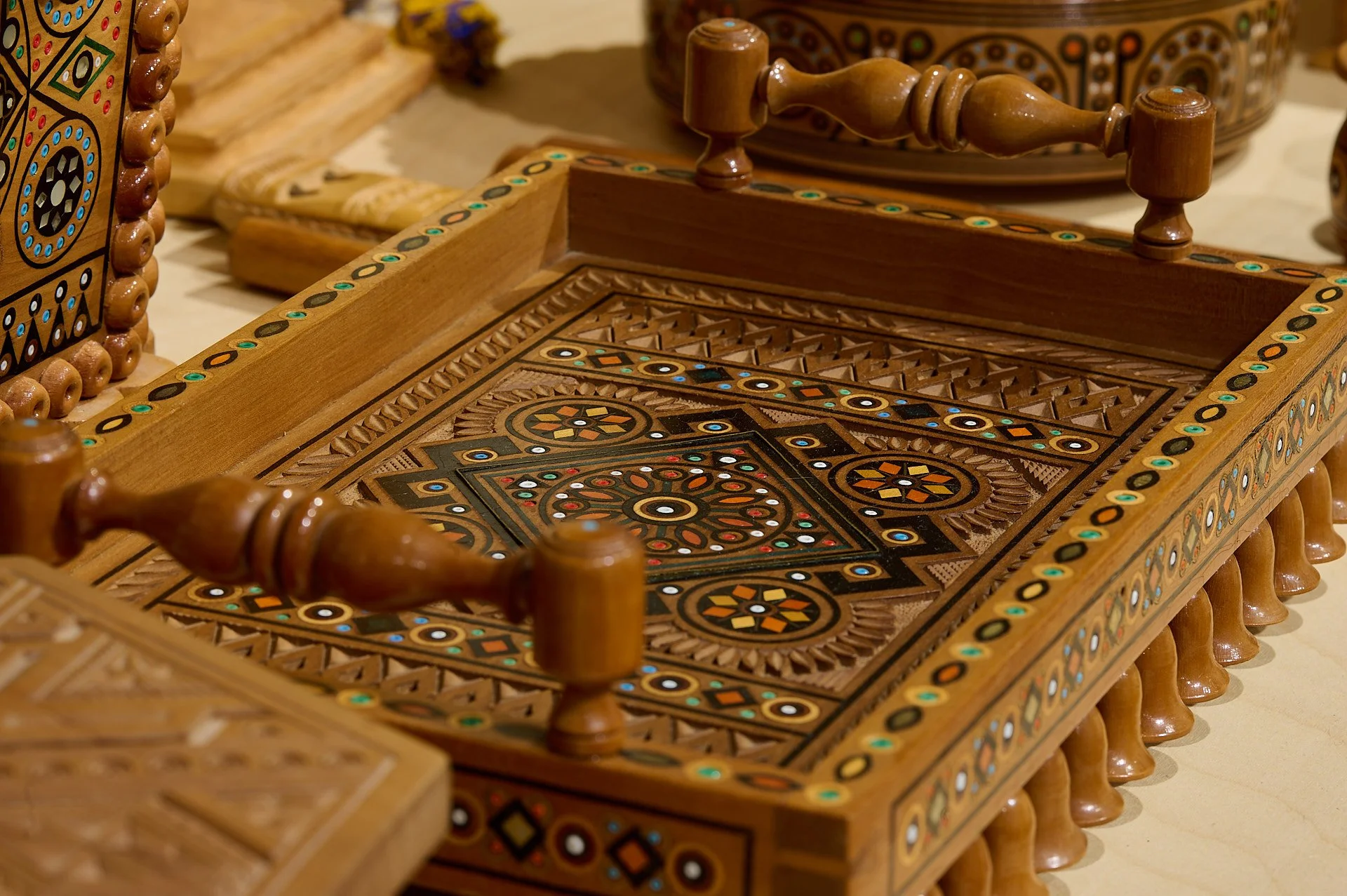
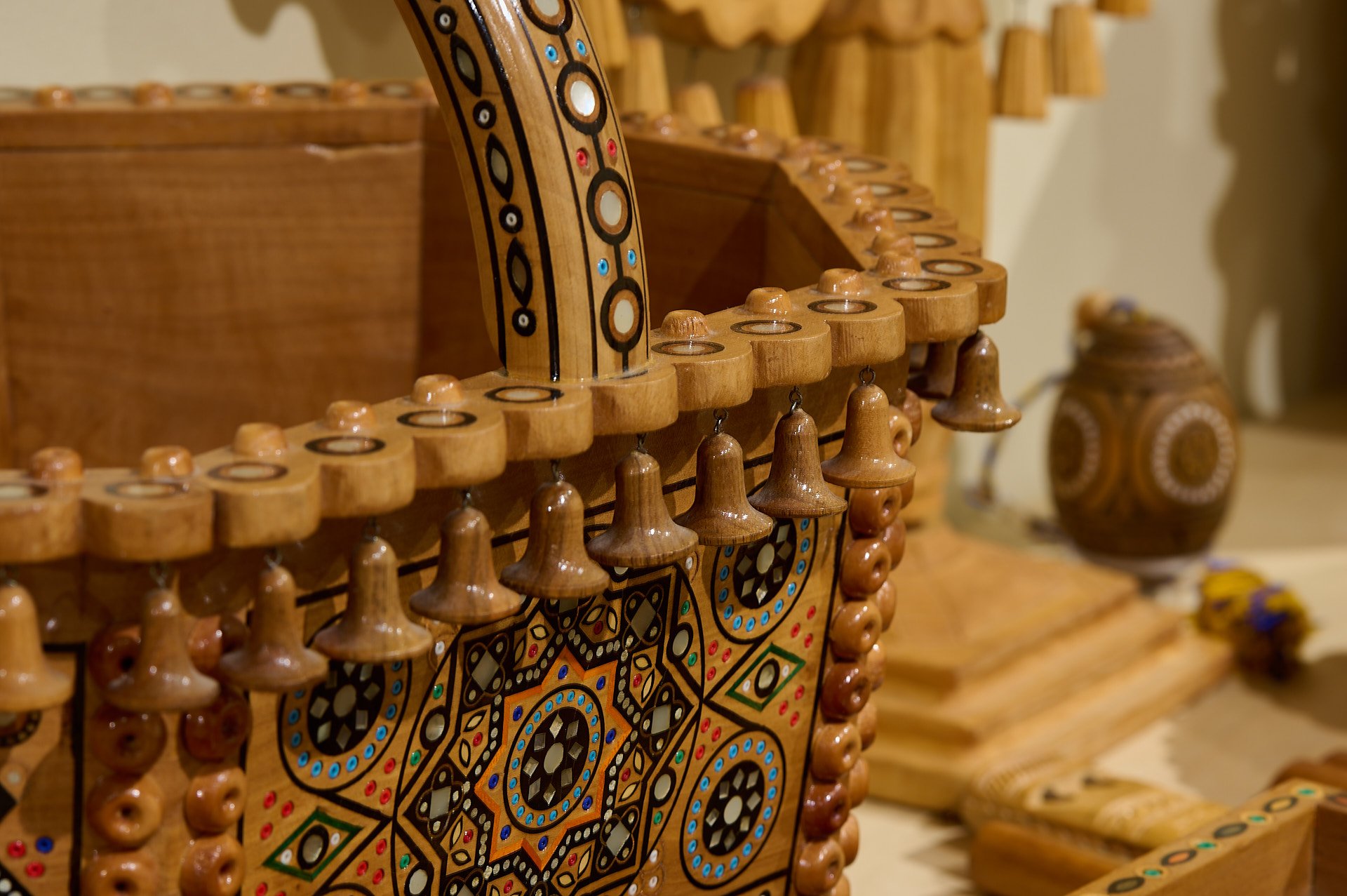
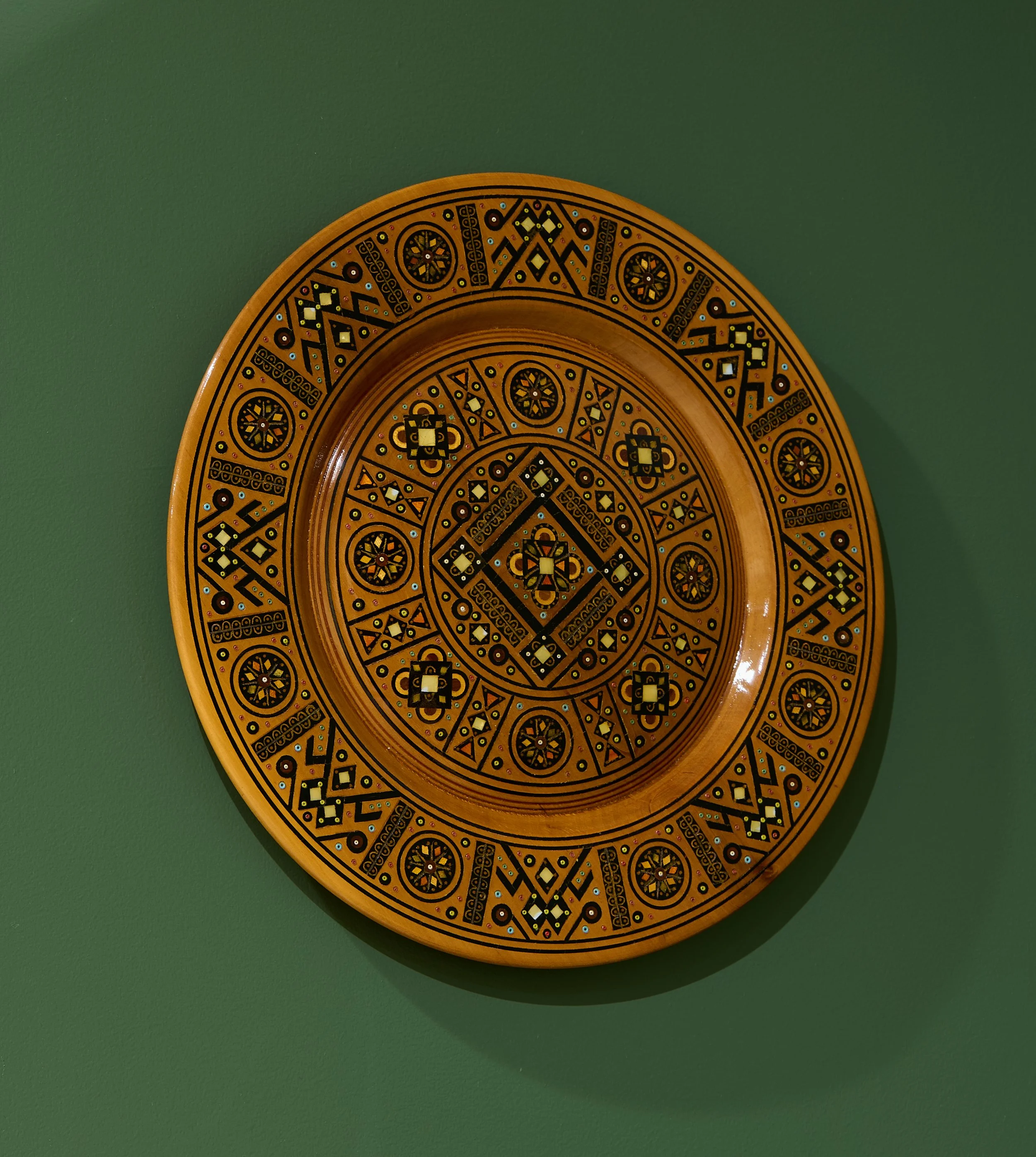
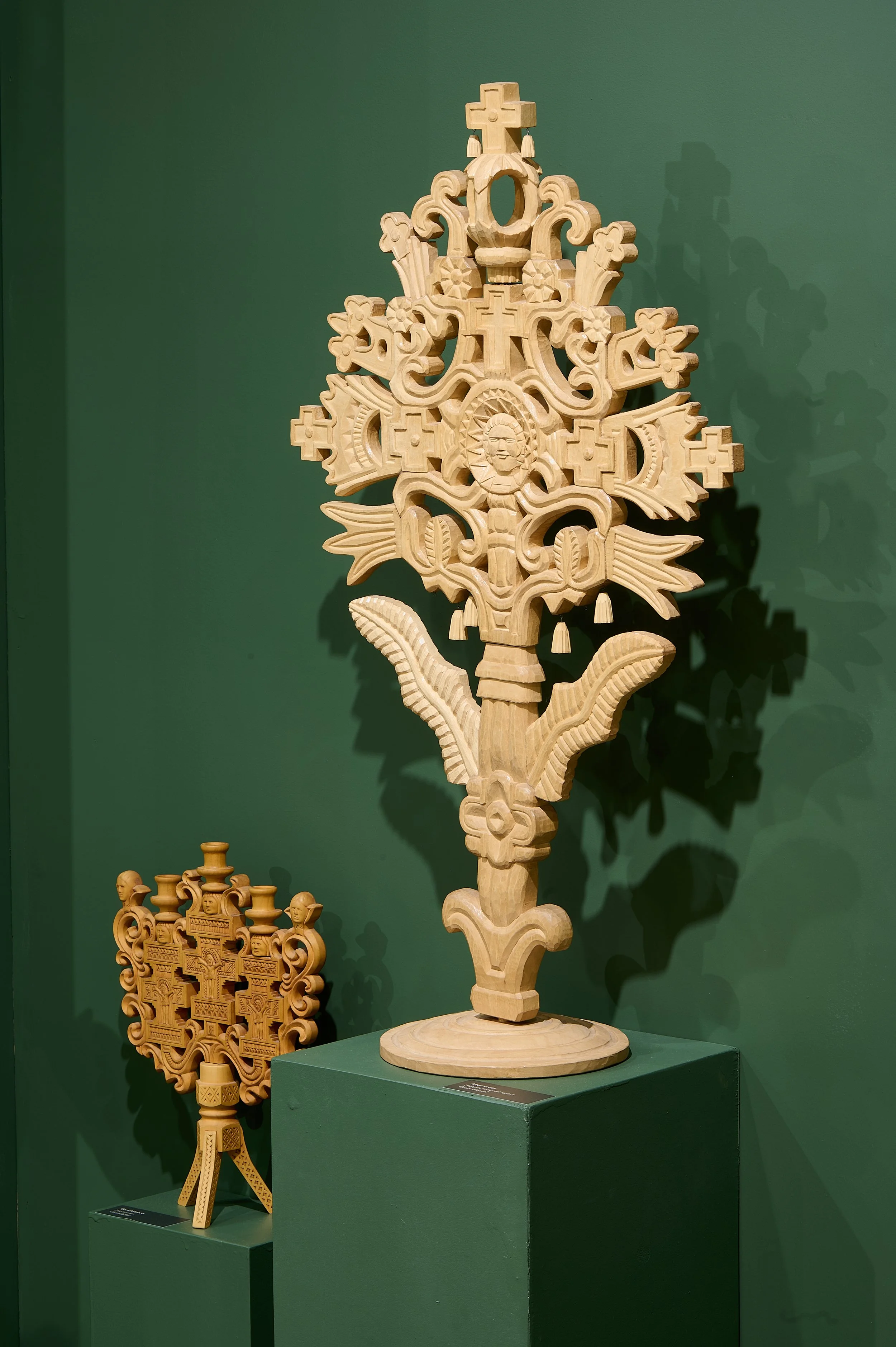
Artistic woodwork ranks among the oldest forms of Hutsul art, with origins dating back to the 16th century. Masters crafted carved, inlaid, and pyrography-decorated functional and decorative objects. The exhibition mainly showcases works by contemporary artists created using classical techniques. Each piece stands out for its craftsmanship, beauty, and strong ties to the traditions of the Hutsul school of woodworking.
Artisans
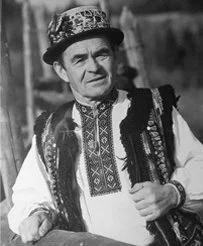
Dmytro Shkriblyak
(1925–2008)
A master carver from the village of Yavoriv, came from a renowned family that passed the craft down through generations. He worked in traditional techniques with his own artistic innovations, creating pieces with high precision and aesthetic perfection.
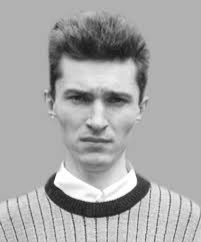
Vasyl’ Hrepinyak
Vasyl’ Hrepinyak, a representative of the third generation of inlay masters, creates furniture, frames, boxes, and trays, combining folk traditions with his own creative vision. His works are notable for their refined details, harmonious forms, and convey the character of Hutsul art.
Hutsul Metalwork
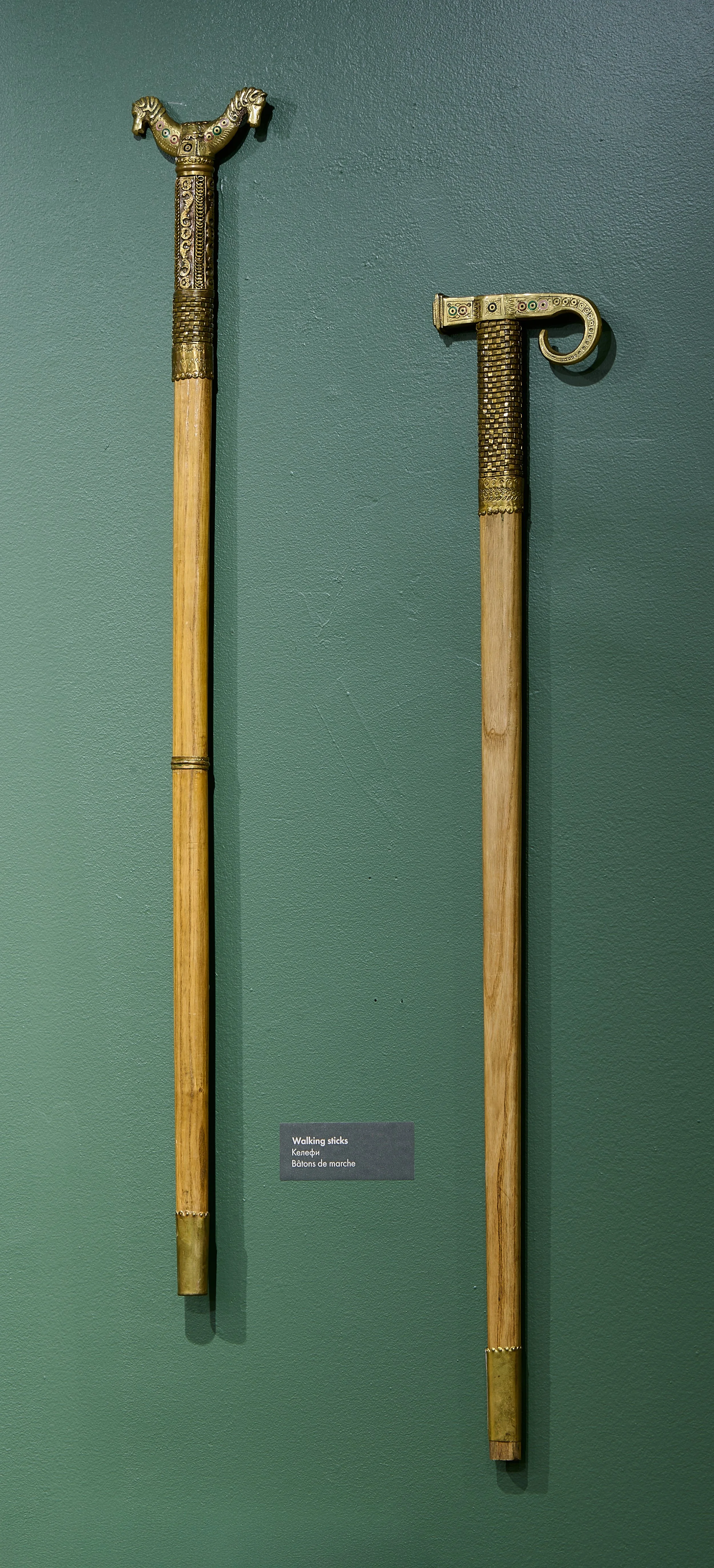
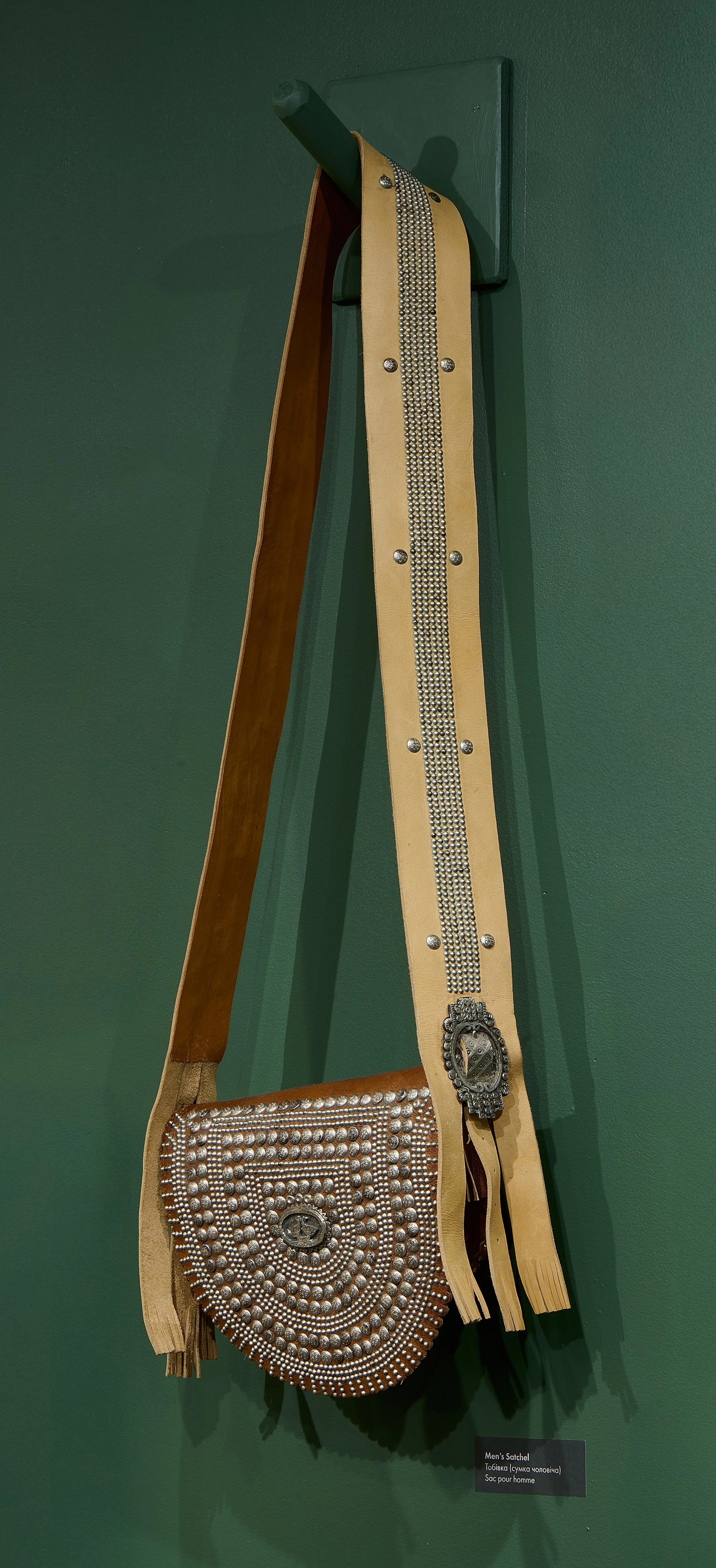
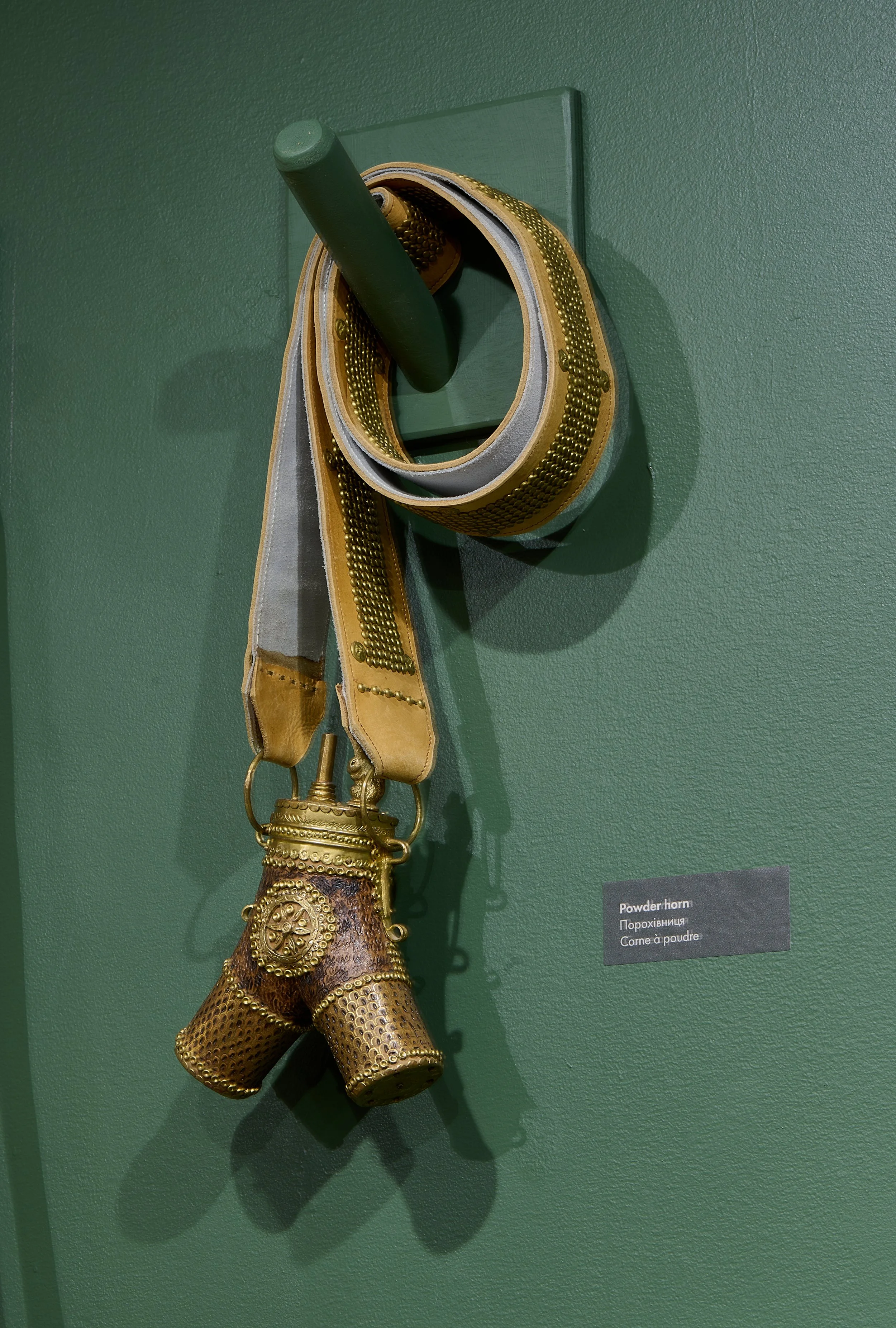
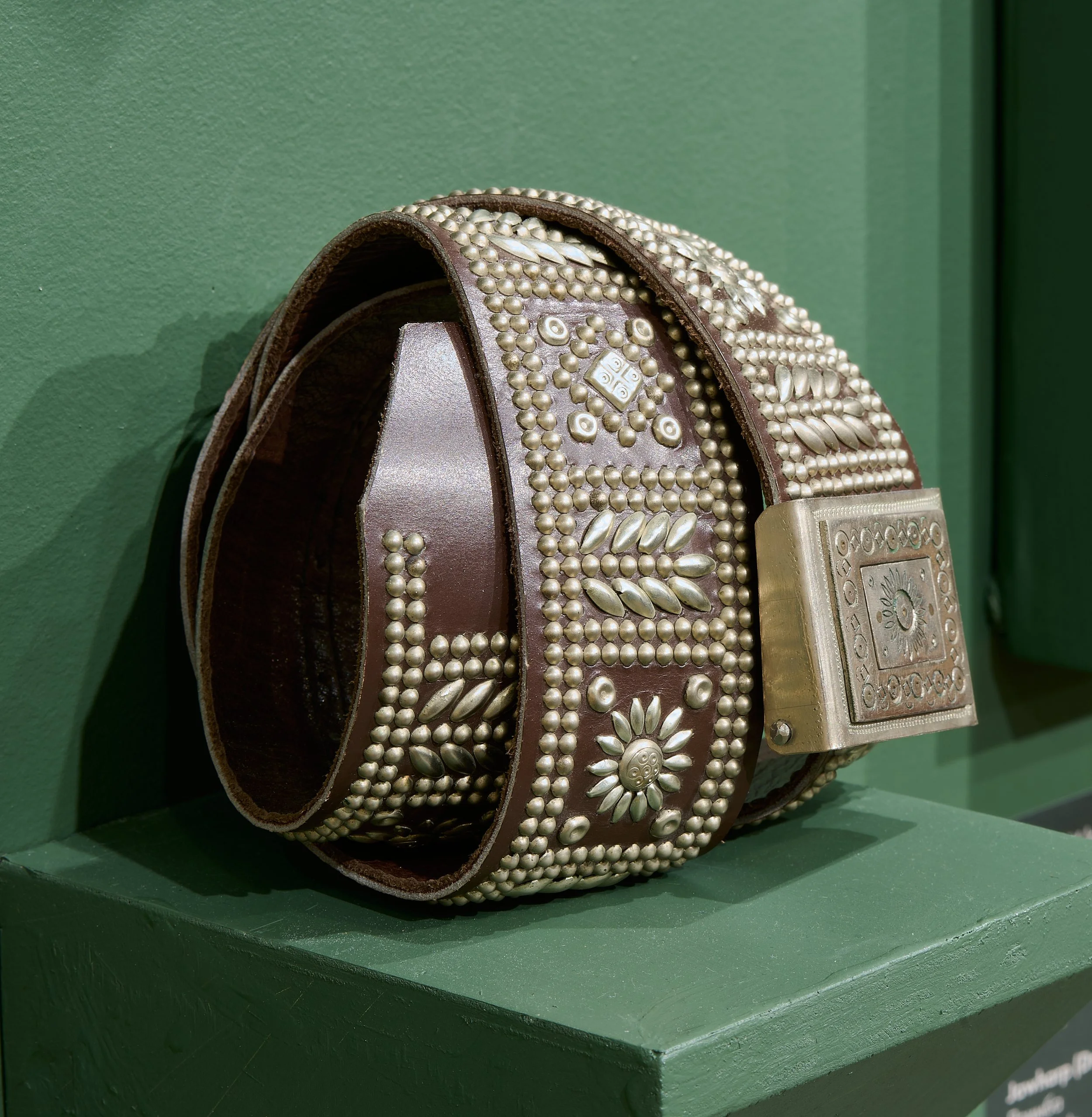
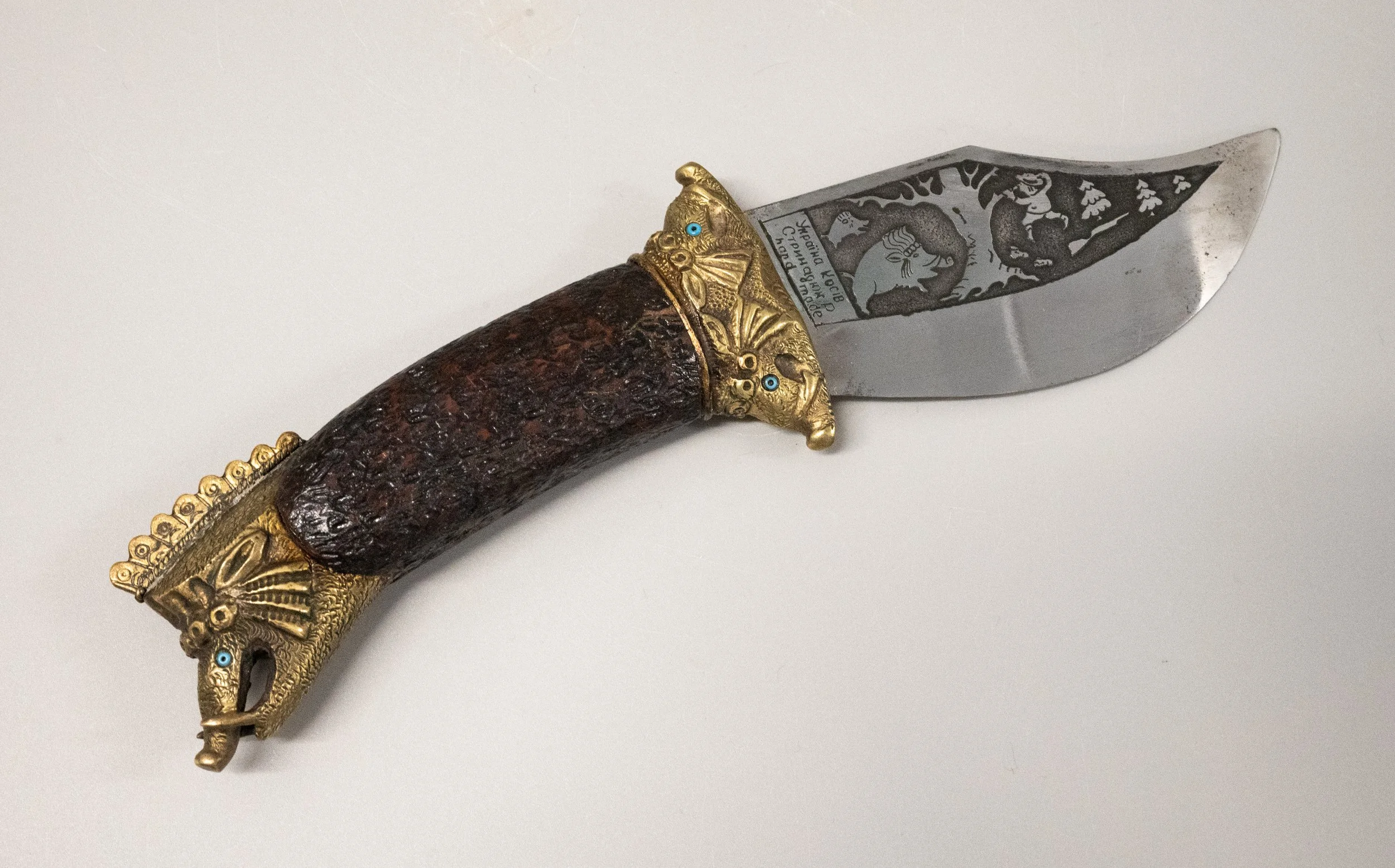
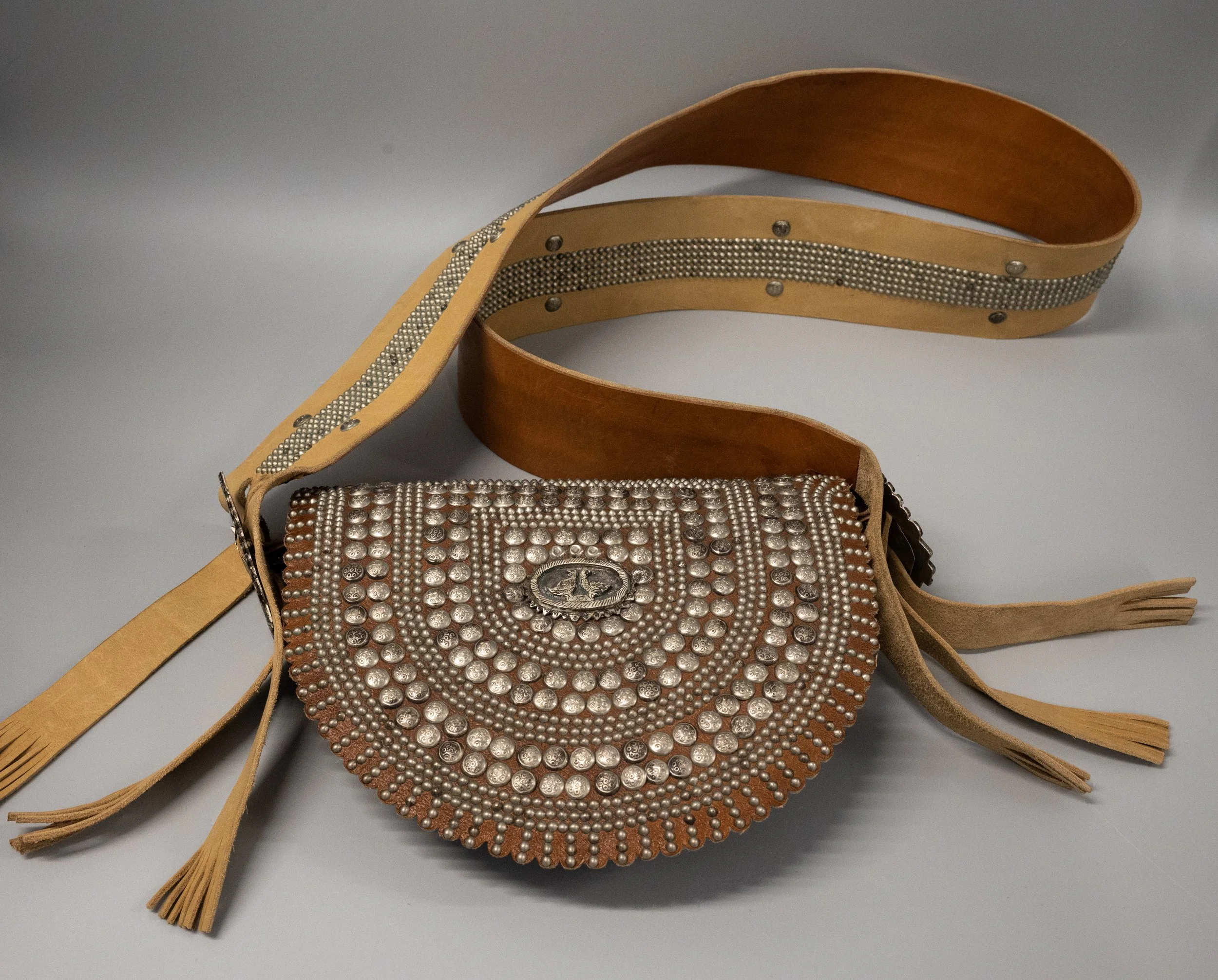
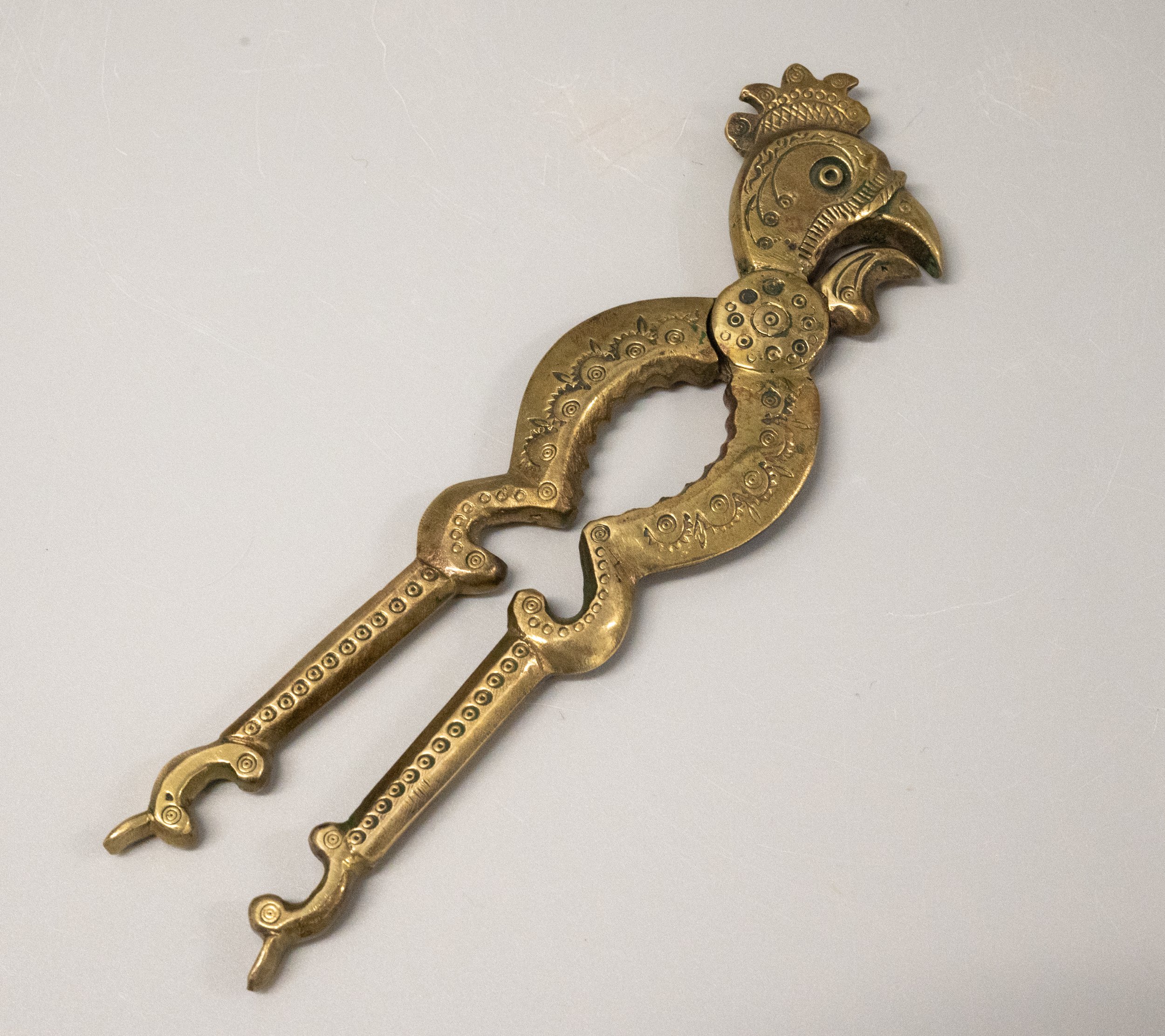
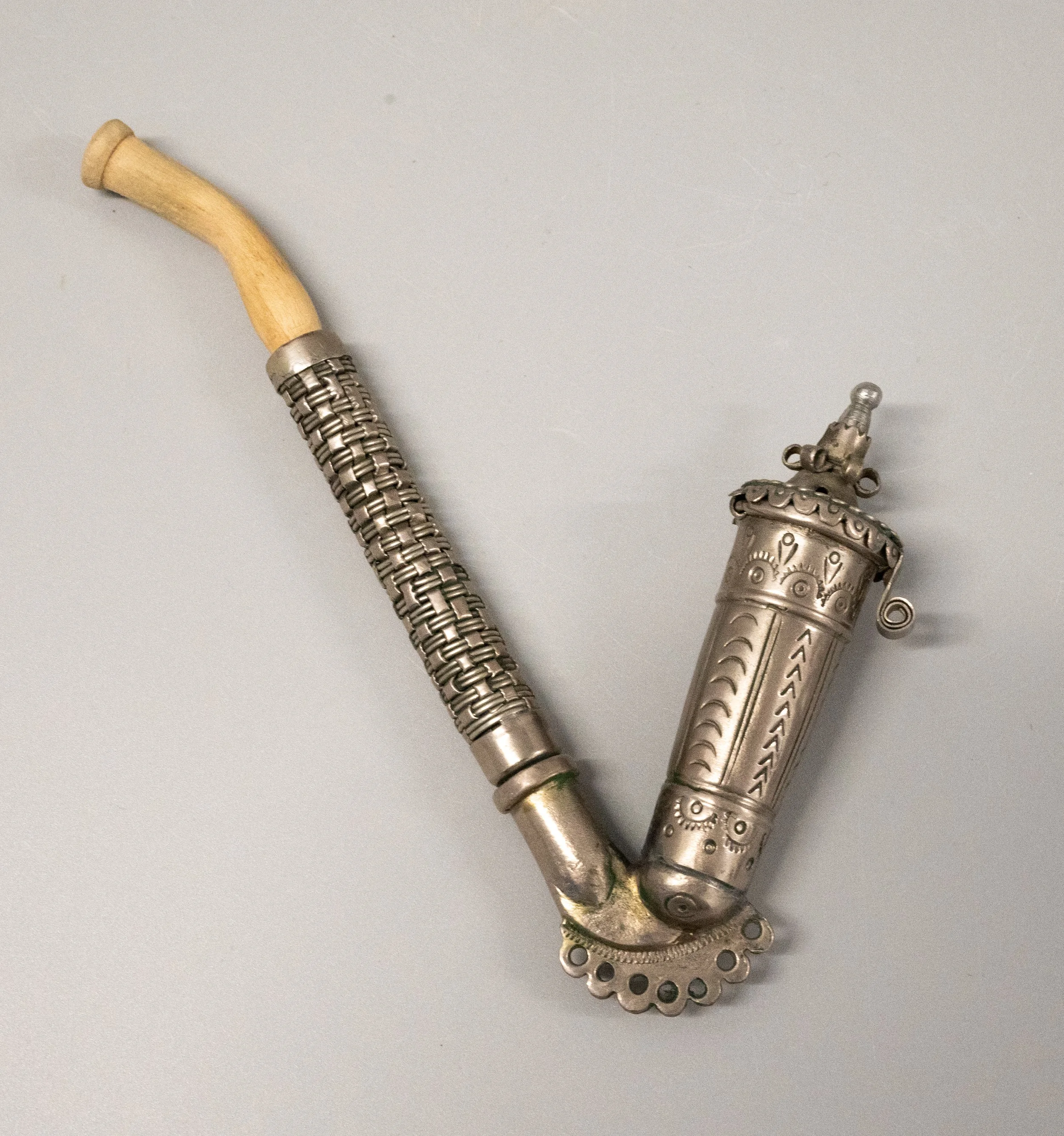
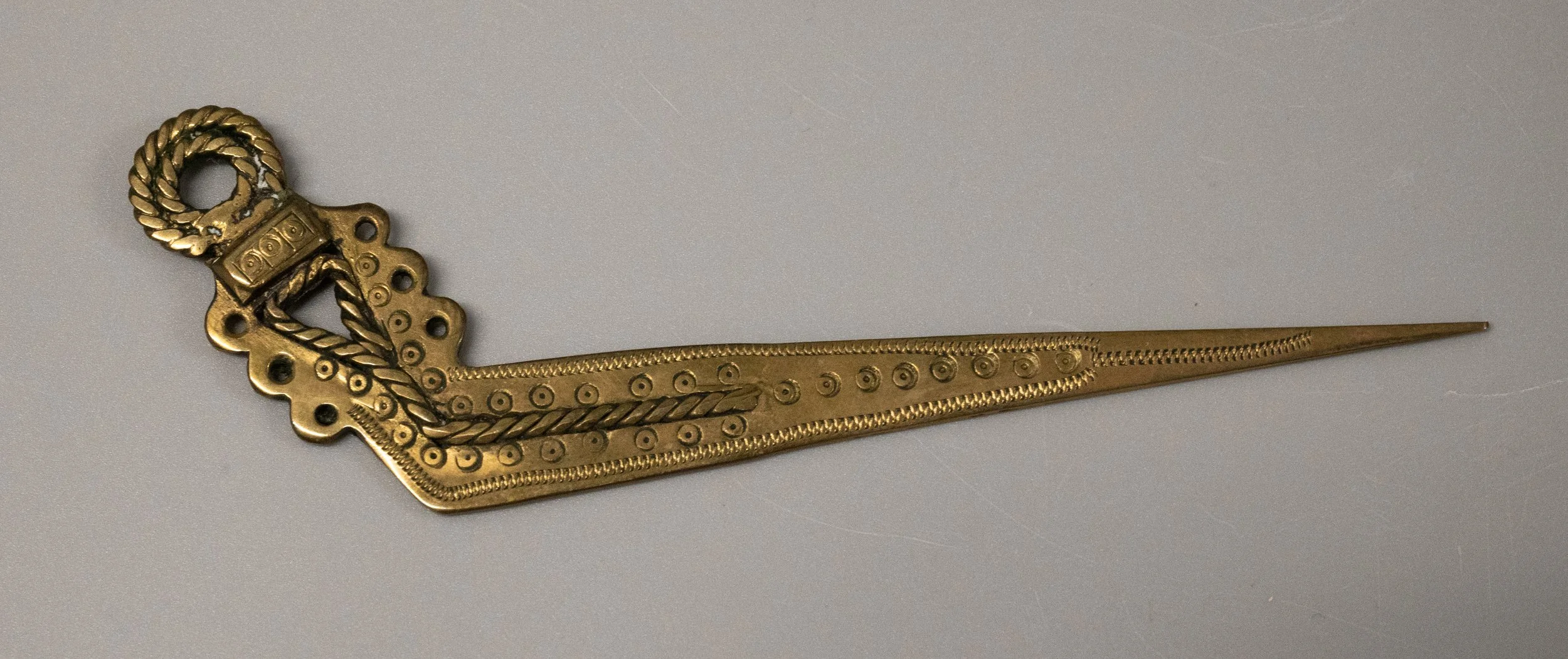
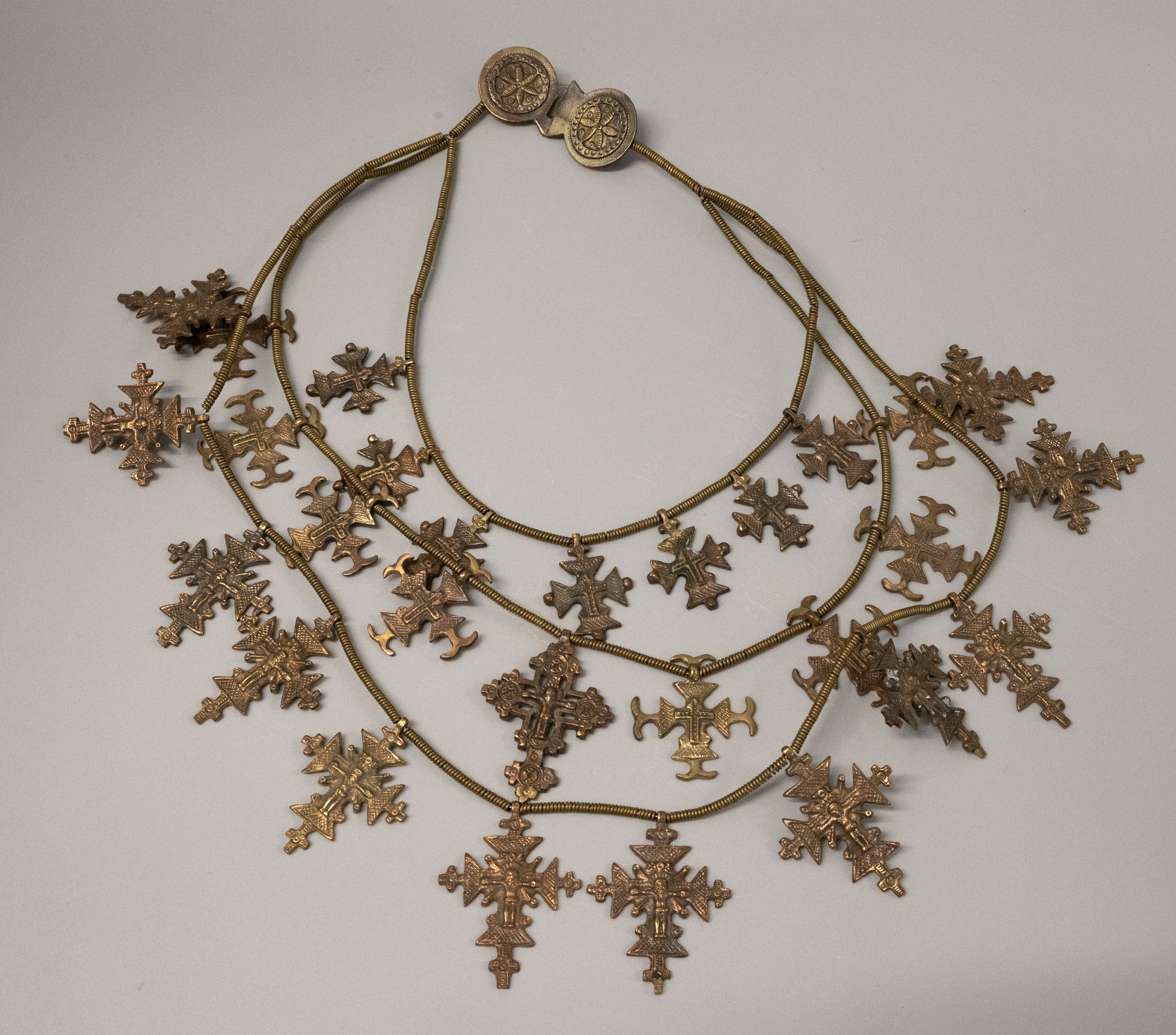
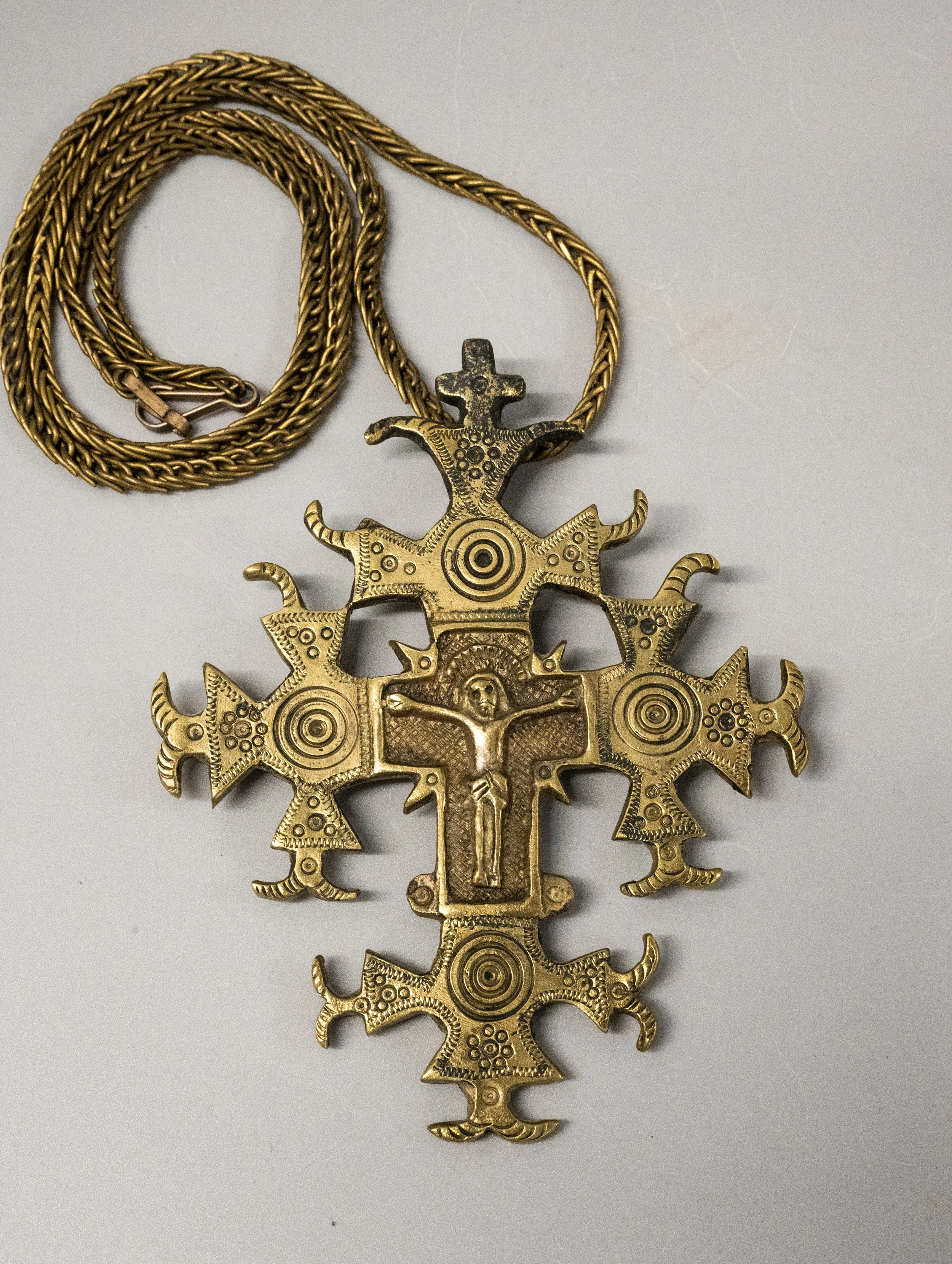
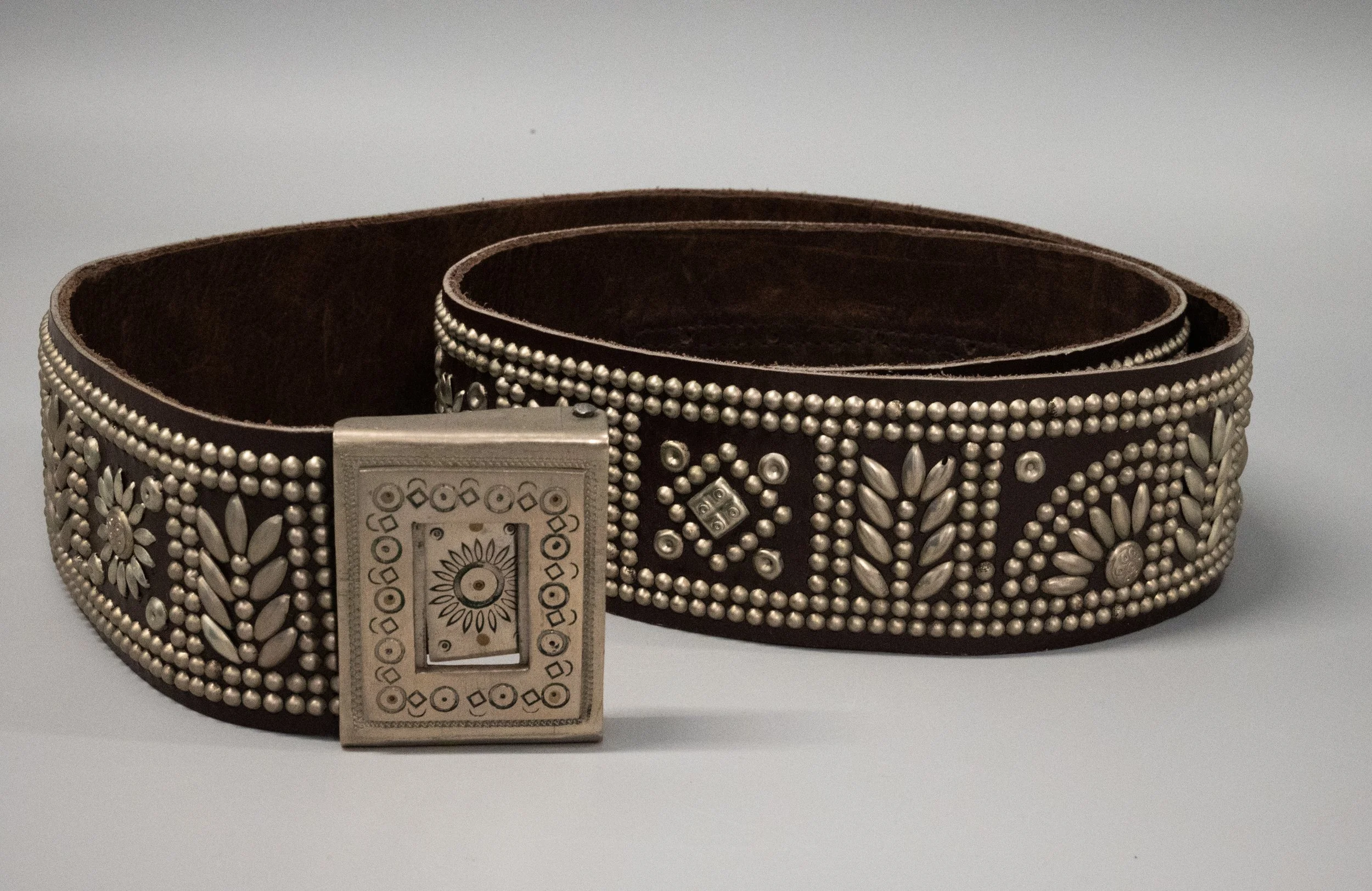
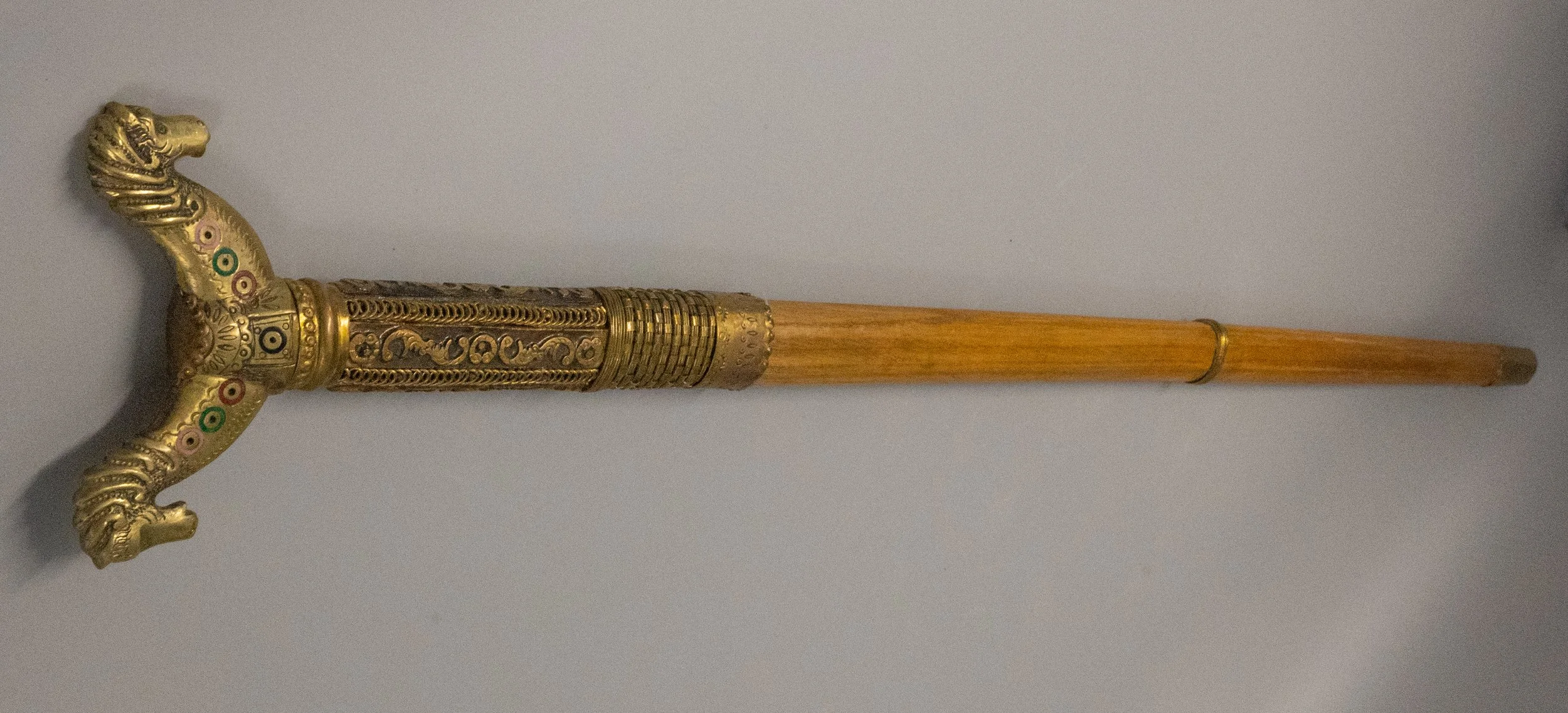
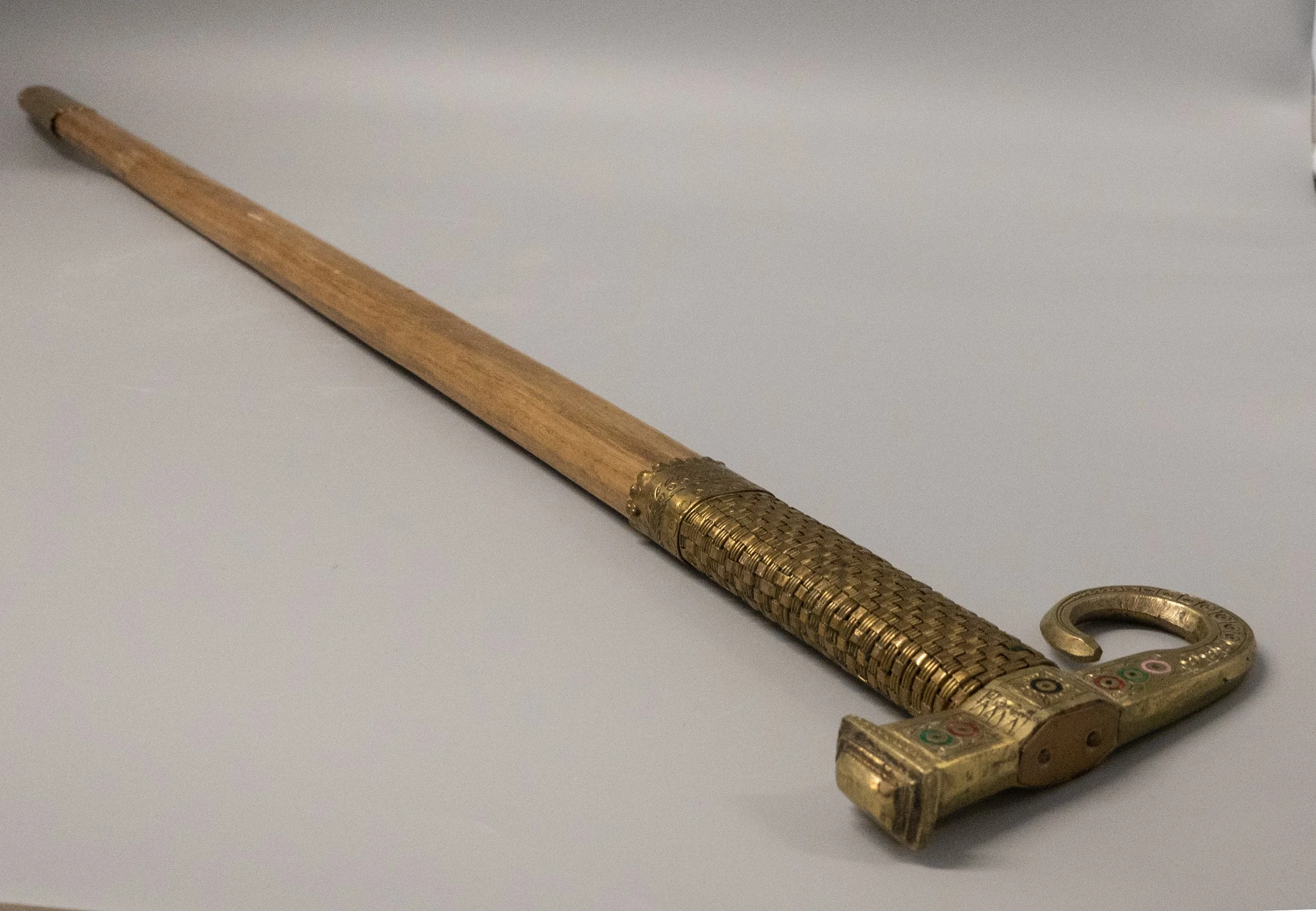
Metalwork is a traditional Hutsul folk art of working with copper, brass, bronze, and silver that developed in the late 18th to early 19th century, often combined with leather. Masters cast, chased, engraved, and inlaid metal to create knives, buckles, staffs, rings, seals, jewelry, and bags. Each piece in this exhibition reflects the skill and beauty of generations of Hutsul tradition. Today, few such masters remain.
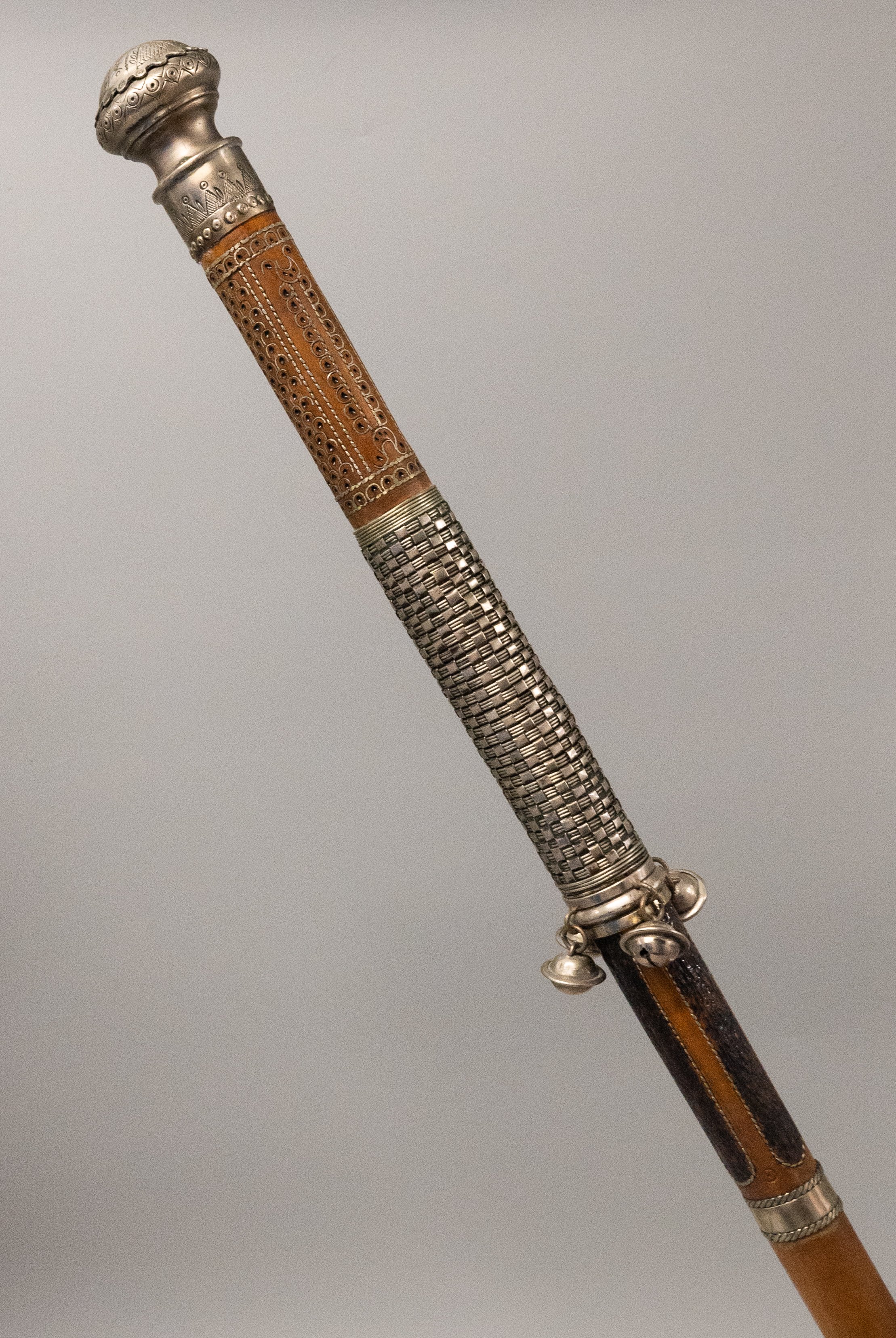
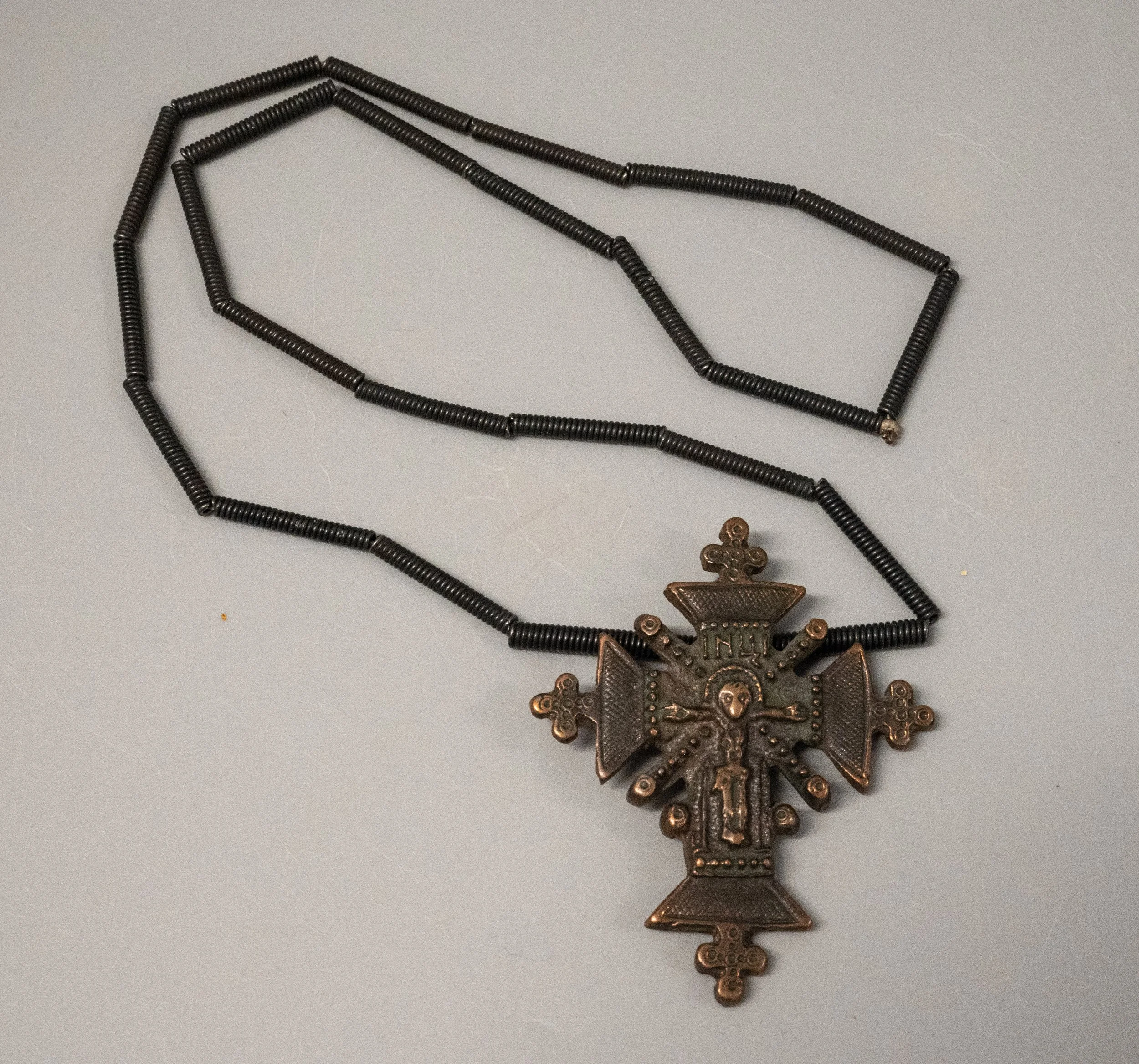
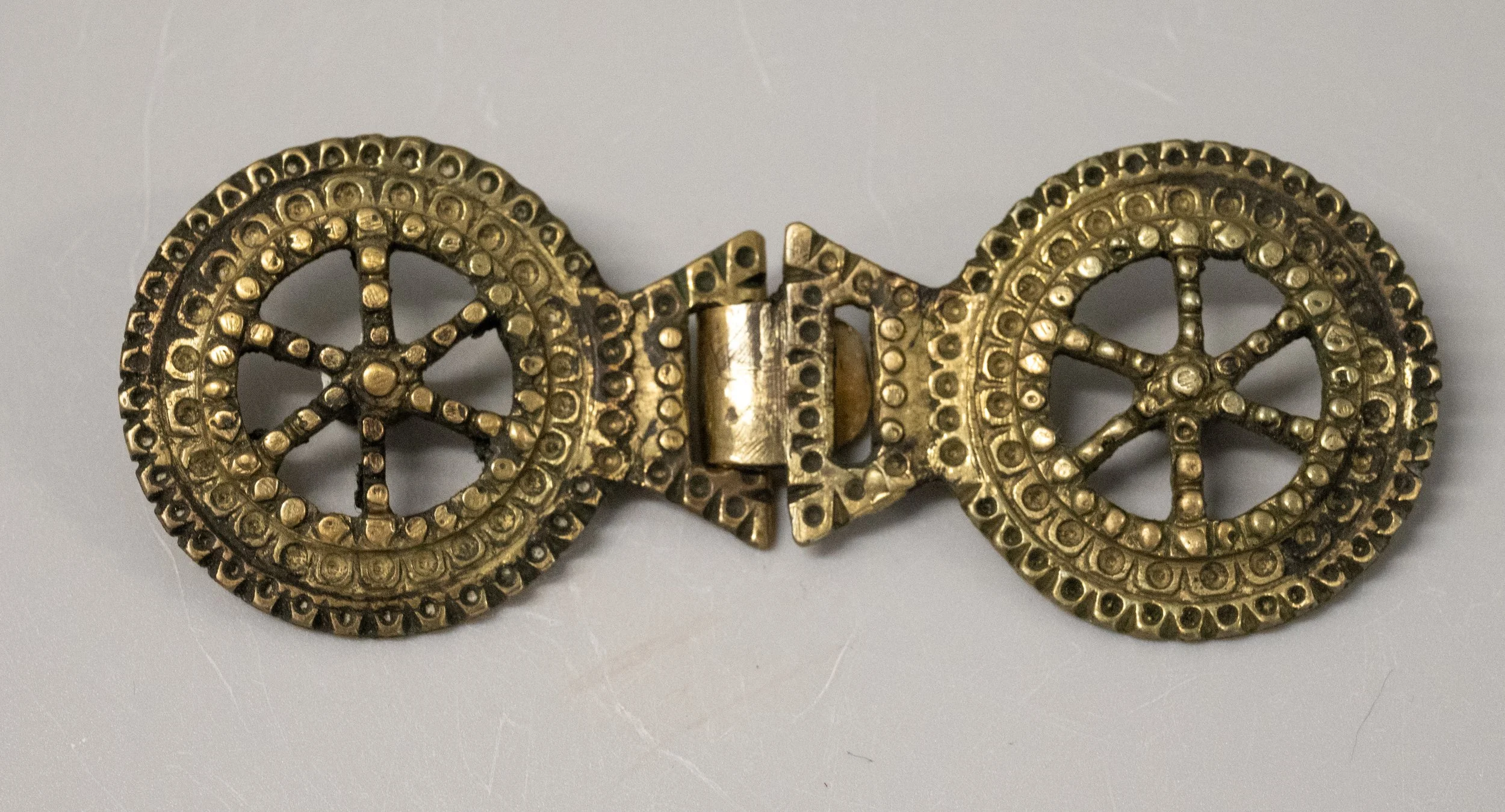
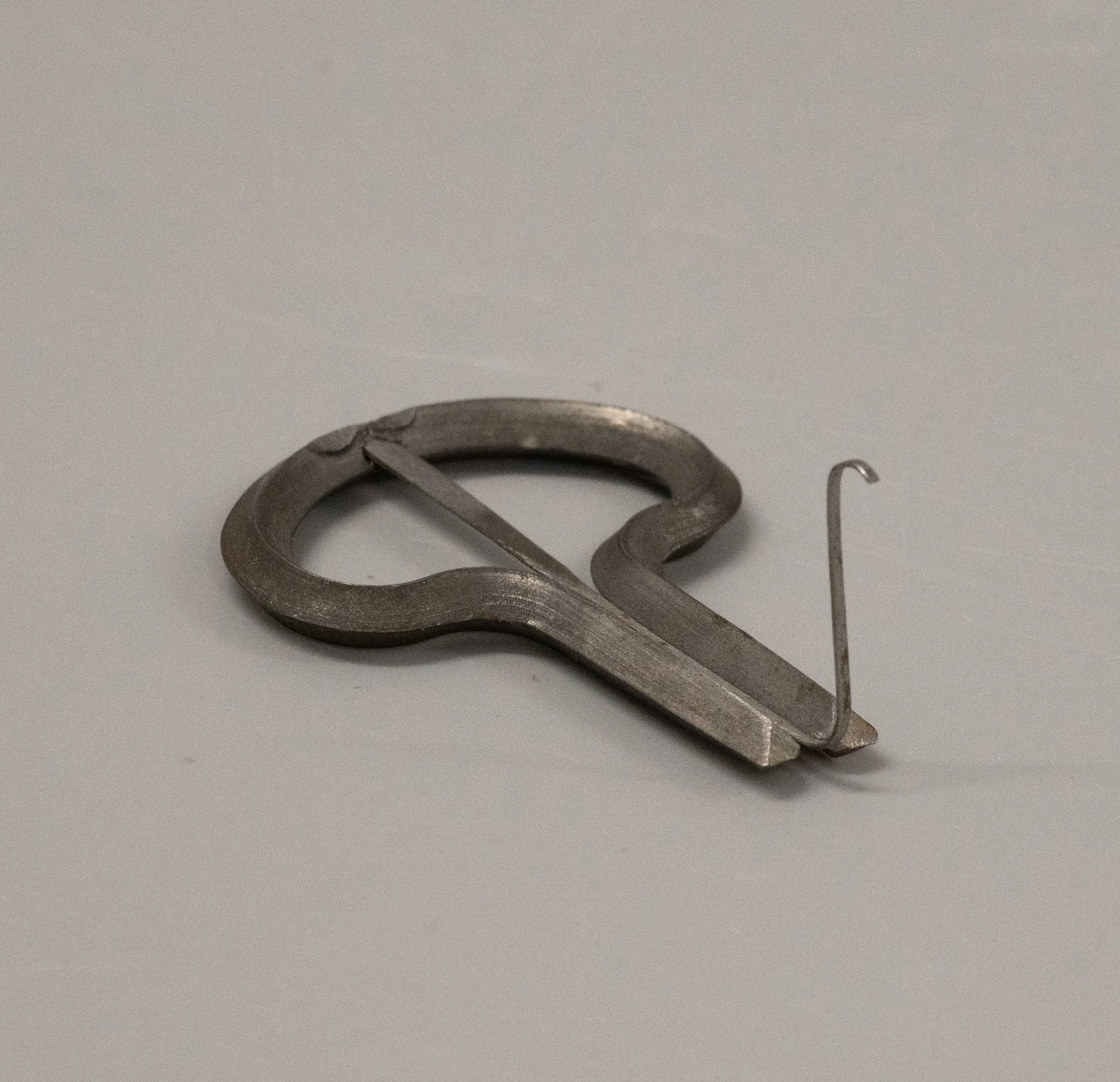
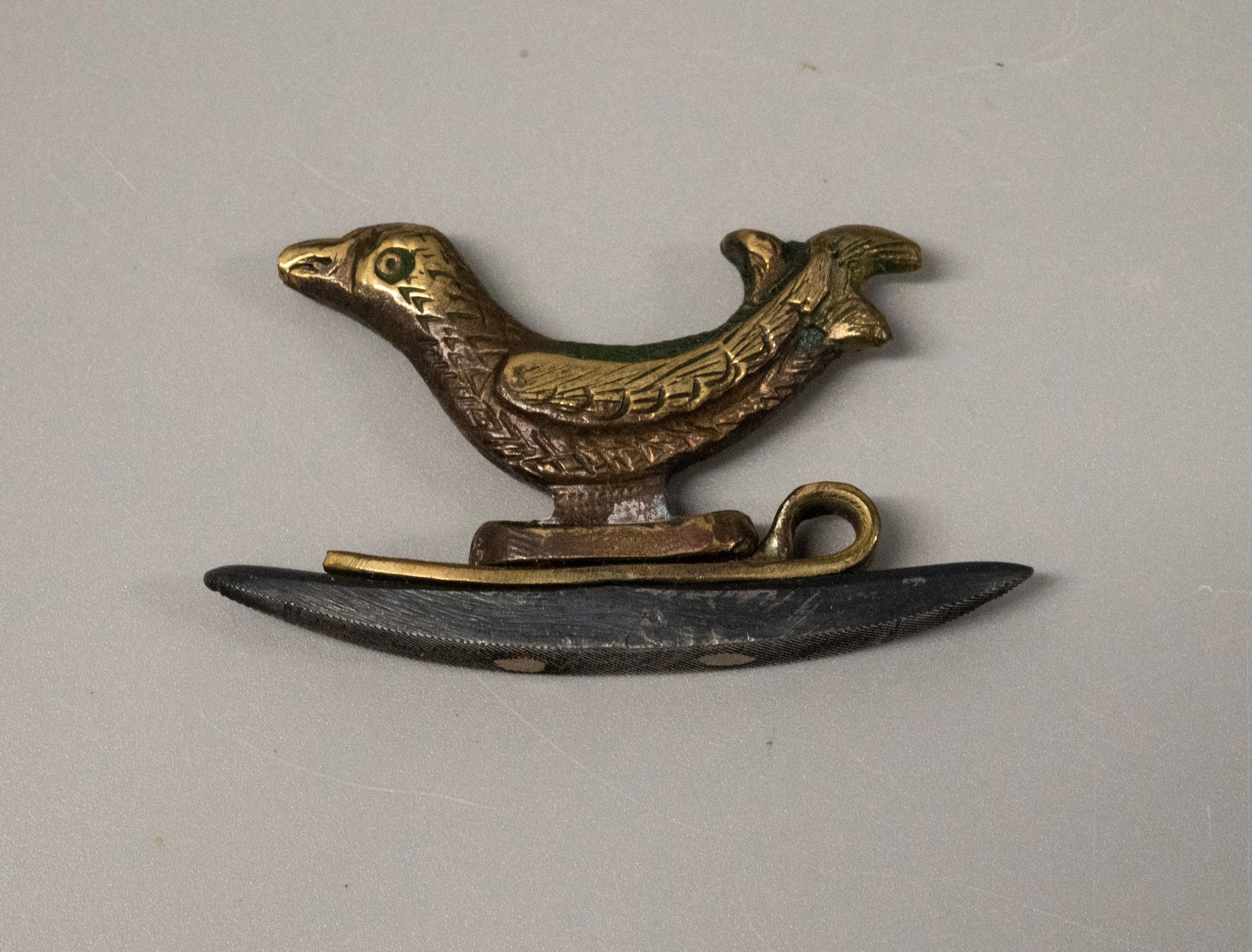
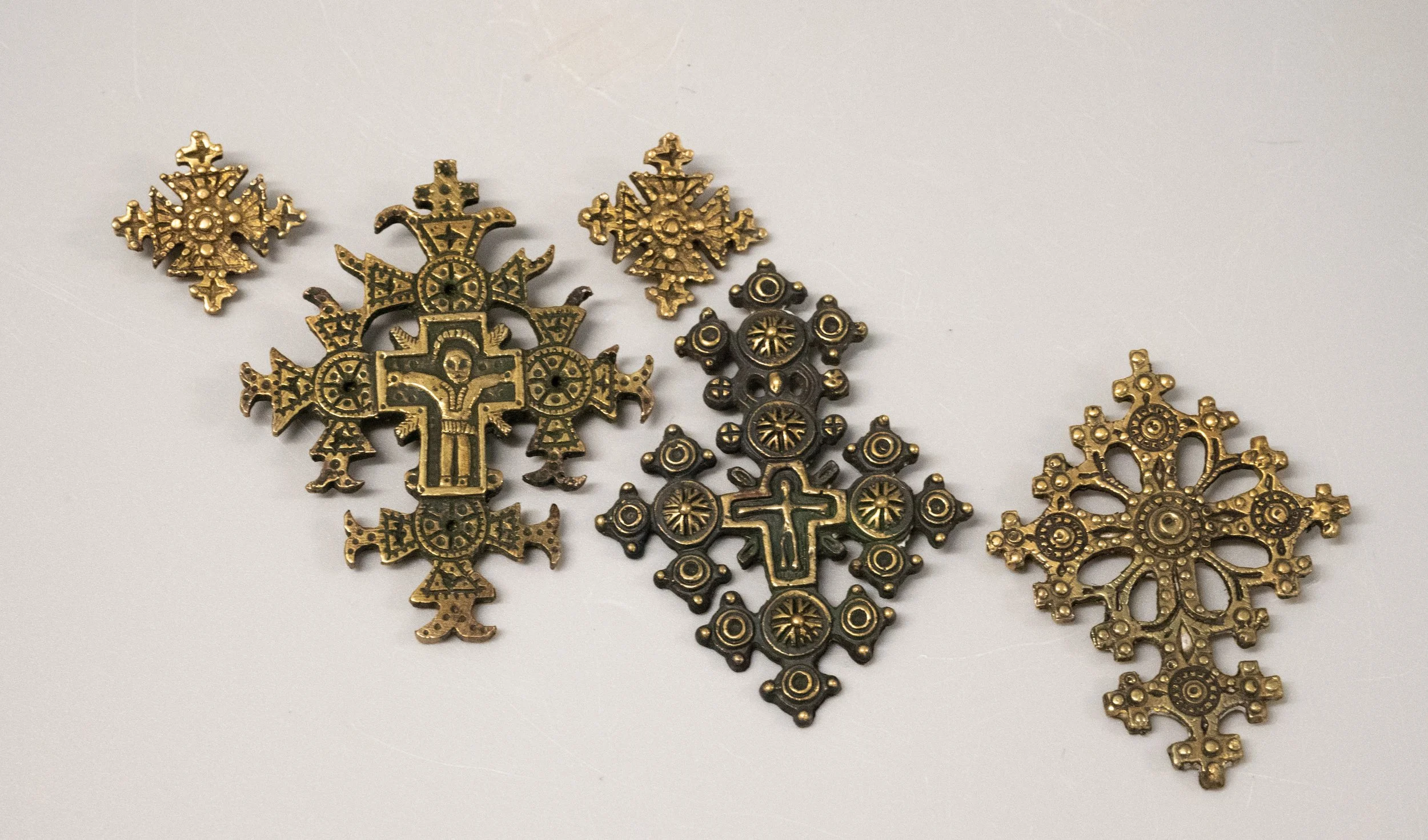
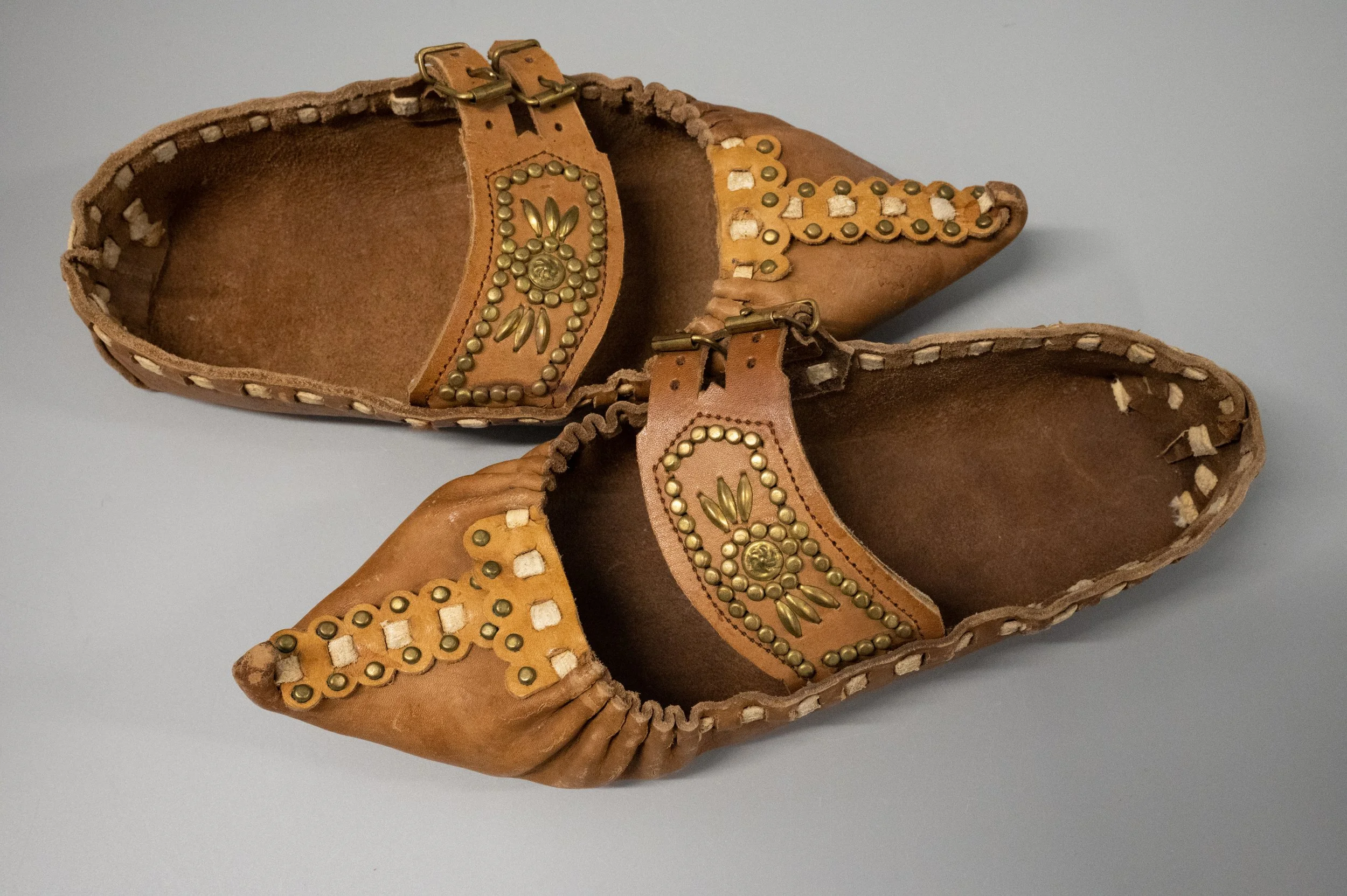
Artisans
Roman Strynadyuk (1935–2010)
Roman Strynadyuk
(1935–2010)
Roman Strynadiuk was a master metalworker who imbued metal with a lively sense of form. His works were distinguished by complex compositions, rich narratives, and finely detailed craftsmanship. He created pistols with hunting scenes, decorative belts, axes, elegant women’s necklaces, tobivka bags, and other objects that embodied the depth of folk symbolism. His artistic legacy remains an inexhaustible source of inspiration for new generations of masters.
Pysanka
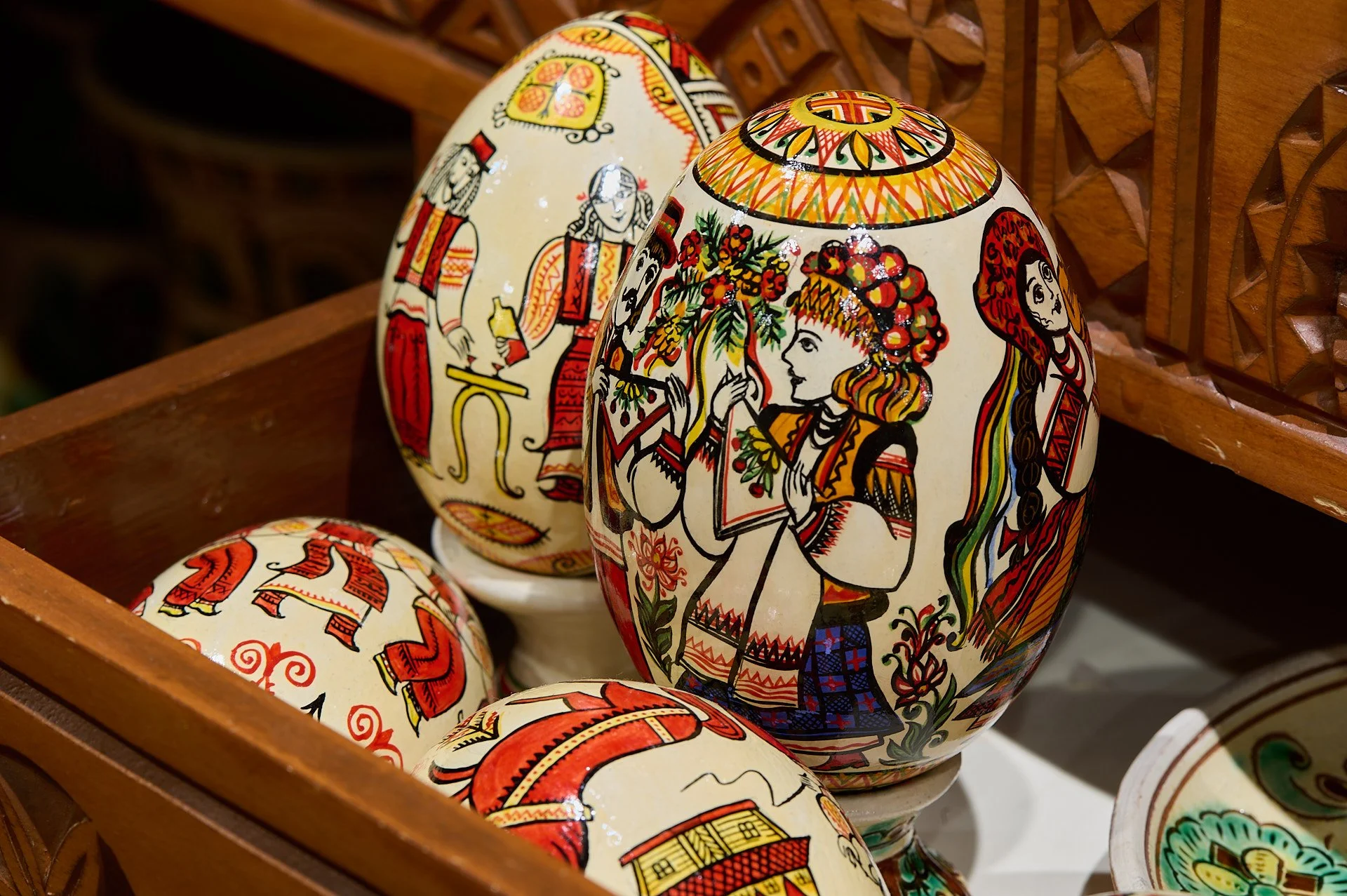
A single pysanka – decorated Easter egg – graces one wall of the Gallery, a quiet testament to resilience and creativity. Crafted by Oleh Kirashchuk, one of Ukraine’s most renowned pysanka artists, the egg is a reminder that beauty and artistic expression endure, even in the shadow of the ongoing russian invasion of Ukraine.
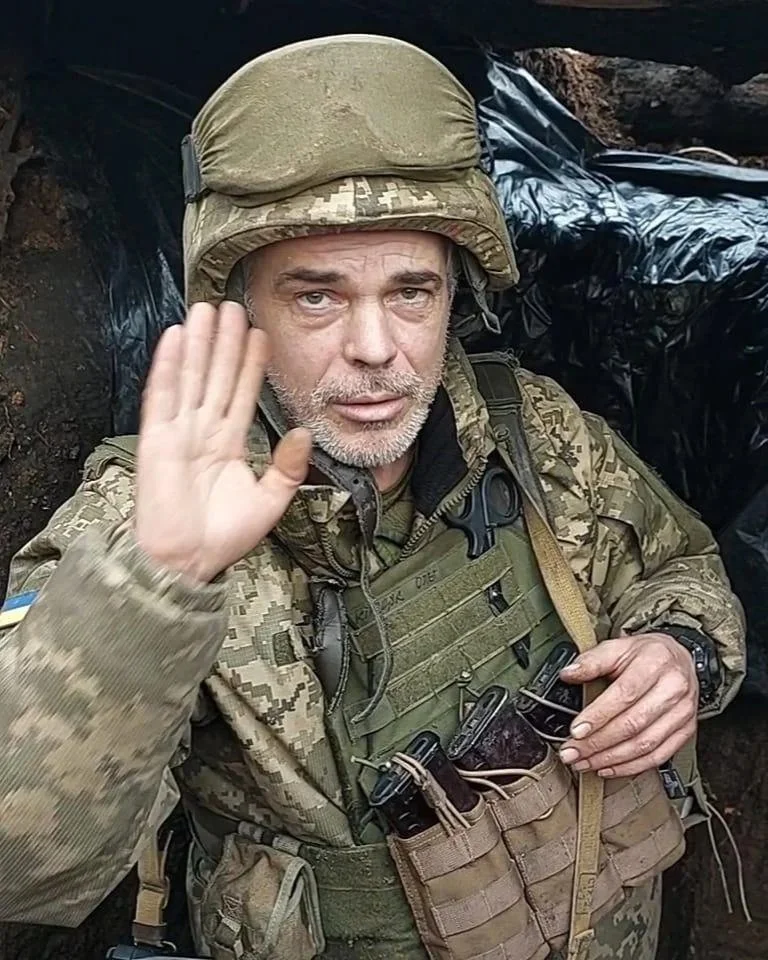
Oleh Kirashchuk
Oleh Kirashchuk has been writing pysanky for over 30 years. A pysankar from Kolomyia, his work transcends traditional designs, drawing on classical Pokuttia patterns to create intricate compositions that even inspired a renowned French fashion house. Since 2014, he has served as a volunteer defender in eastern Ukraine and currently as a soldier in the 10th Mountain Assault Brigade. Despite the demands of life on the front lines, he continues to craft pysanky to raise funds for drones, demonstrating the enduring power of art even in times of war.
Myroslava Boikiv • GUEST CURATOR
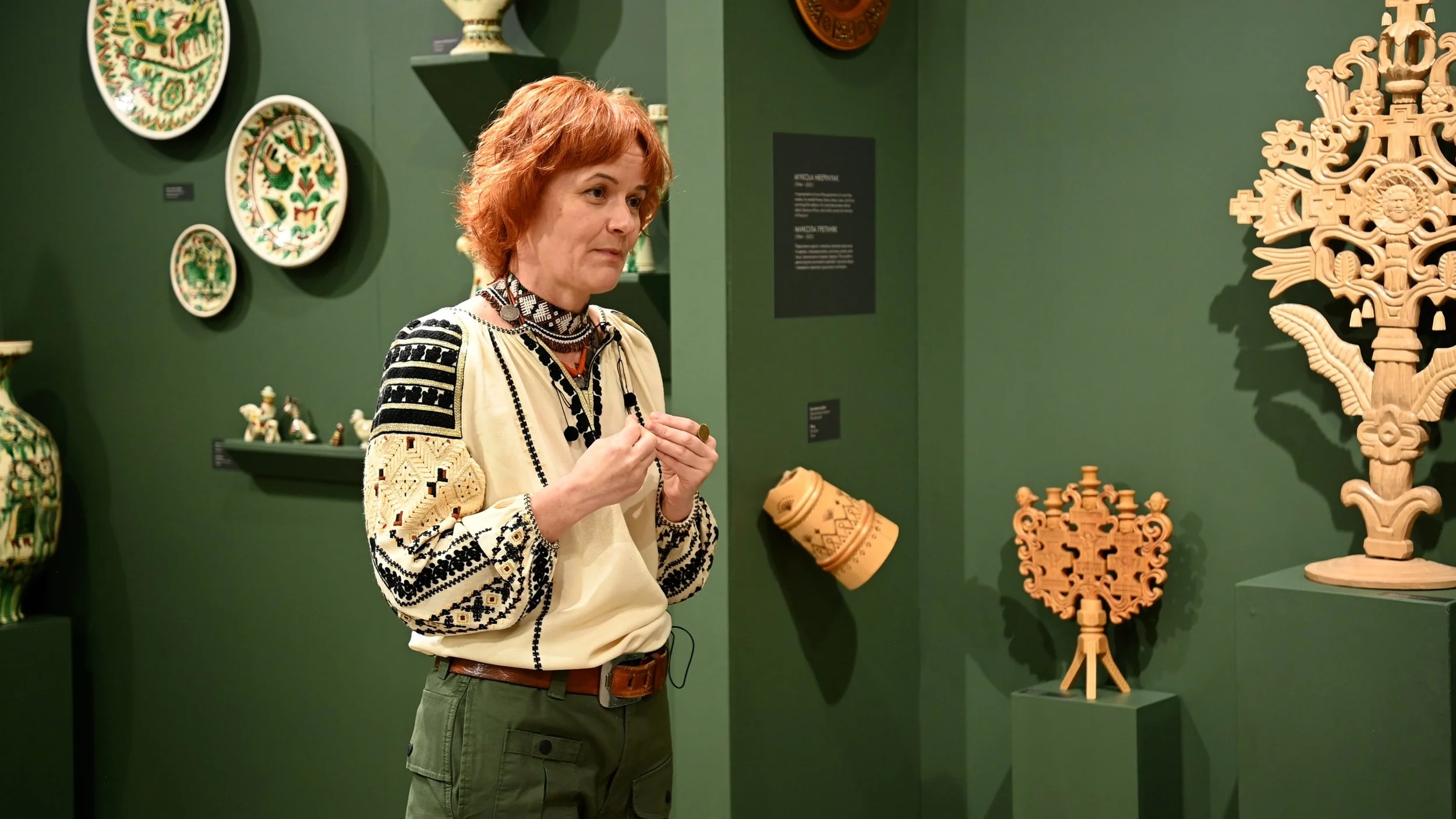
Approx. 40 minutes. Ukrainian with English subtitles.
Toronto-based Ukrainian textile and watercolour artist Myroslava Boikiv draws deeply from her upbringing in Kovalivka, a village nestled in the foothills of the Carpathian Mountains. Inspired by the rich rural and traditional culture of her youth, she now navigates Toronto’s urban landscape while maintaining a profound connection to her roots. Despite the historical suppression of Ukrainian language, history, and culture under the Soviet system, her art remains a powerful testament to the resilience of Ukrainian identity.
With experience as an art restorer at the National Museum of Hutsulshchyna & Pokuttia Folk Art and as curator of the Pysanka Museum in Kolomyia, Myroslava has extensive expertise in preserving and promoting Ukrainian folk traditions. Her deep knowledge of Hutsul folk art, artisans, and the culture of the Carpathian Mountains contributed significantly to re-imagining the Kosiv Bazaar exhibition at the Ukrainian Museum of Canada, Ontario Branch. Her works have been exhibited in galleries and museums across Ukraine, Germany, Poland, and Canada, and have also entered private collections worldwide.
Guest Curator Myroslava Boikiv www.myroslavaboikivart.com
Exhibition Design Anna Harasym www.annaharasym.com
Exhibition Preparator Andrew Waller
Sponsored by
Shevchenko Foundation • SUS Foundation • Temerty Foundation • The Kalimin Foundation • Franko Family Foundation • UCU Ukrainian Credit Union Limited • St.Volodymyr Institute
Special thanks
to the many volunteers who contributed to this exhibition and to the staff of St. Volodymyr Institute.